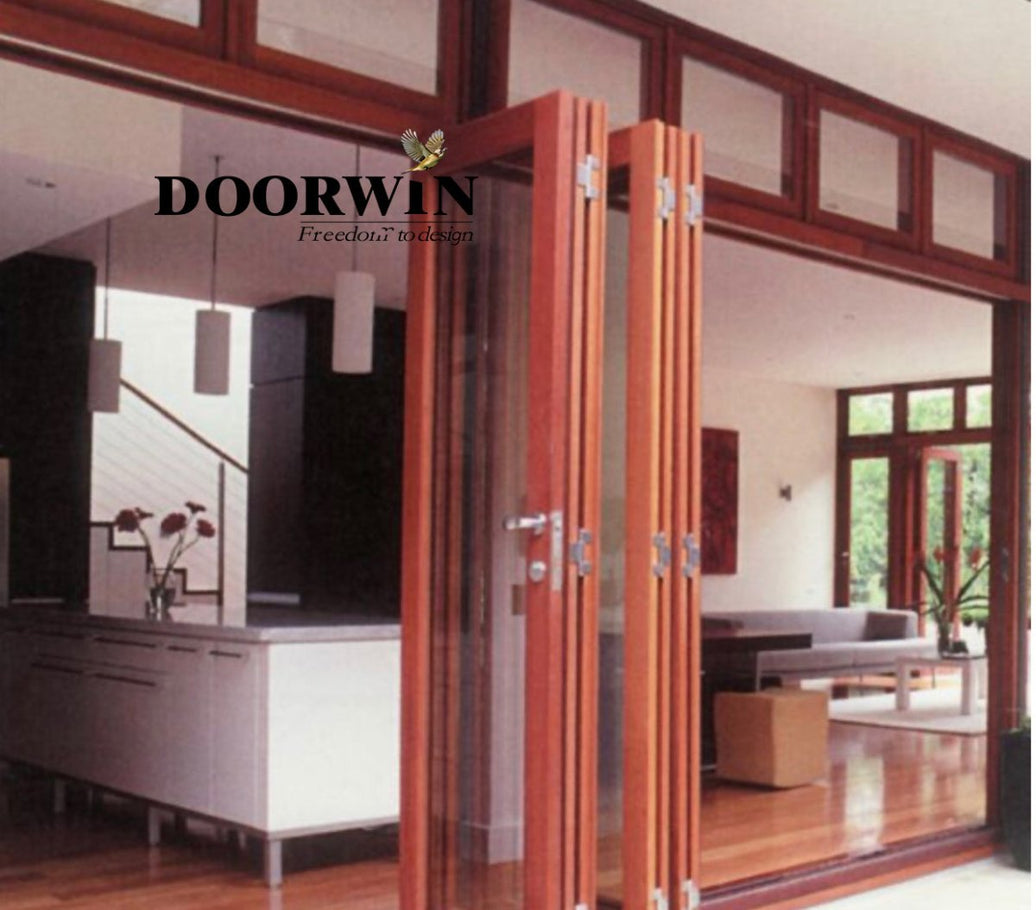
Solid wood front doors can form part of a secure entrance, but timber mass alone does not determine resistance to forced entry. A load applied at the lock or hinge passes through the leaf, hardware, frame, fasteners and supporting wall. Security therefore depends on the condition and compatibility of those connections, along with any glazing and sidelights. A useful specification identifies what the complete door assembly can do rather than treating the word 'solid' as a security grade.
Where Does a Solid Wood Door Gain or Lose Security?
At the latch edge, a forced load reaches the bolt, strike plate, fixing screws and jamb before reaching the wall framing. A substantial leaf provides little additional benefit if the strike is fixed into damaged or unsupported material. The hinge side has a different load path: hinge leaves, fasteners and frame alignment must carry the door's weight and resist unwanted movement without loosening. Both paths need attention on the shop drawing.
Wood Species, Joinery and Lock Preparation
Mahogany, oak and other solid timbers differ in density, grain, movement with moisture and suitability for machining. A stile-and-rail door also behaves differently from a wide single-piece slab: panel joints accommodate seasonal changes, while stiles provide material for hinges and the lock case. A large mortise or glass cutout reduces the wood remaining near critical fittings. Specify the leaf thickness, stile dimensions, joint construction and finishing system before a lockset is selected; species alone cannot predict resistance.
The Jamb and Strike Transfer the Load
For a hinged front door, the bolt is only as effective as the strike and its connection to the surrounding structure. Drawings should show the jamb material, strike preparation, intended fastener engagement and any reinforcement appropriate to the wall. During a replacement, deterioration behind the casing or missing structural blocking may require additional repair. A new solid timber leaf installed into an unverified frame can preserve the original weak point.
How Do Locks and Hinges Affect a Solid Wood Front Door?

A multipoint lock can engage a tall door at several positions and help control closing along the frame. A single deadbolt may remain suitable on another assembly if the bolt, strike and frame are properly detailed. The locking-point count is therefore less informative than bolt engagement, strike backing, hardware preparation and the actual swing direction. Hardware schedules should distinguish the selected lockset from optional access controls or decorative handles.
Hinge Capacity and Swing Direction
Hinge quantity, type and attachment depend on the door's size, mass and frequency of operation. An outswing door may require different hinge-side security detailing from an inswing assembly. The installer needs adequate fastener engagement and a stable substrate; large leaves also need the correct adjustment range to keep the top and bottom gaps even. A decorative hinge appearance does not establish the load capacity of its concealed fixings.
A Bolt That Binds May Indicate Misalignment
A lock that engages only when the door is lifted or pulled toward the jamb may be reacting to sag, seasonal movement or an uneven seal rather than a defective cylinder. Repeated forcing can damage the strike or lock case. Acceptance should include ordinary one-handed closing, full bolt engagement and clearance at the threshold after the finished hardware and seals are installed. These checks concern day-to-day reliability, not a substitute for a security test.
Smart Locks Require Separate Preparation
Smart locks, powered strikes and door contacts add cable routing, power, programming and maintenance responsibilities to the mechanical door schedule. They do not strengthen the timber or frame by themselves. Luvindow's documented Keller, Texas project used custom mahogany front and rear doors with U-Bolt Pro smart locks. That project demonstrates an access-control choice, not a tested forced-entry classification for every Luvindow wood door. Review the Keller project configuration.
How Do Glass and Sidelights Change Entry Security?
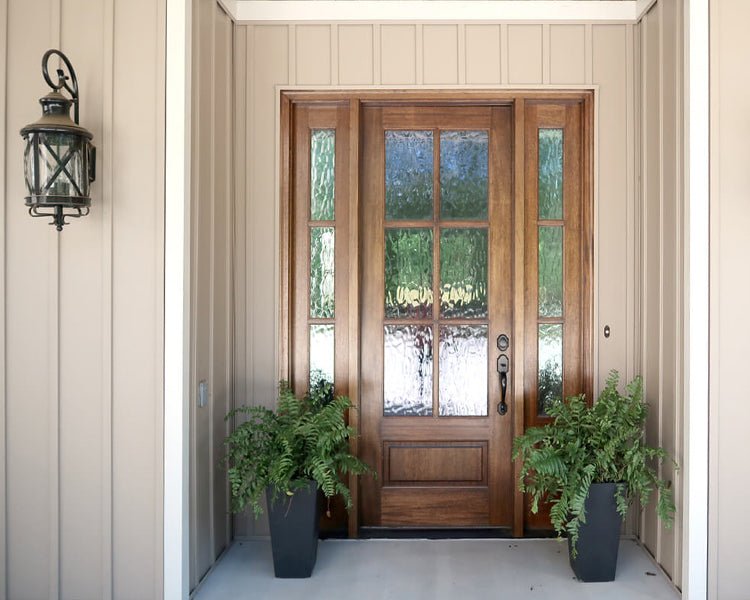
A timber entry may include a glazed upper panel, decorative lite, sidelight or transom. Glass close to a reachable handle changes the threat assessment, while retaining beads and the surrounding sash affect whether the glazing stays seated under load. Safety glazing is primarily intended to reduce injury from breakage; security glazing is specified against a different performance objective. A tempered or laminated description should not be converted into an unverified burglary-resistance claim.
Sidelights can help occupants identify visitors but may expose interior activity or nearby hardware. Consider their placement, privacy and glass retention together, rather than relying on an isolated glazing label.
A sidelight joined to a door frame also introduces a structural junction. The shop drawing needs to identify whether the units share reinforcement, how the vertical mullion is fixed, and where weather seals and anchorage continue across the connection. A good-looking narrow mullion should not be presumed suitable for any height or wind exposure without system-specific design information.
Installation Is Part of the Security Specification
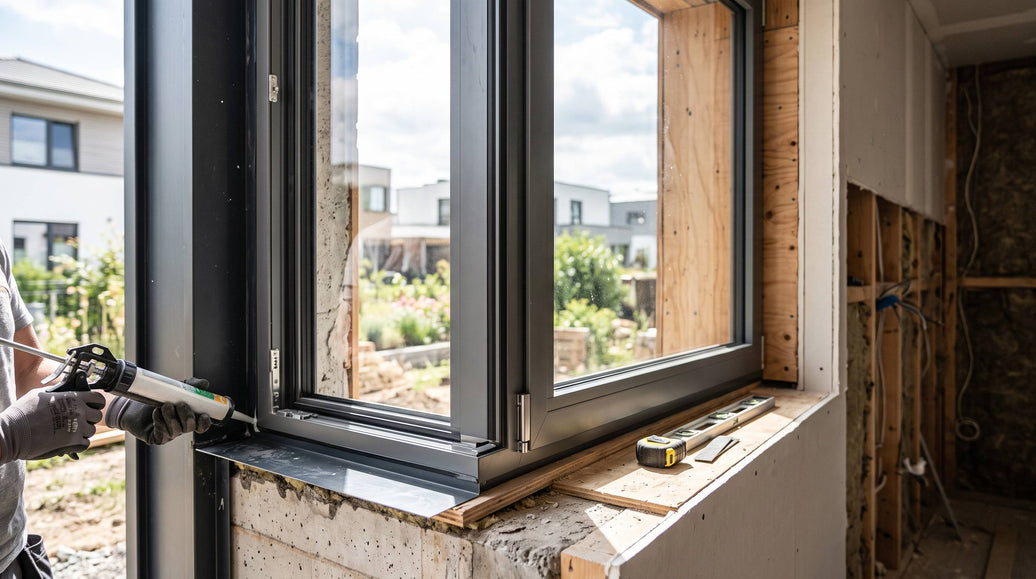
Even a well-built leaf and lock can underperform when the rough opening is out of square or the wall substrate cannot hold its fixings. Renovation contracts should distinguish factory-supplied hardware from site-installed anchors and define who repairs decayed or loose framing. For a large front door, the finished floor level and threshold also determine the bottom clearance available for normal latching and weather sealing.
Cameras and sensors may support monitoring but cannot strengthen a loose frame. Any door-contact wiring or powered access hardware belongs in the approved hardware schedule.
Reinforcement must preserve the threshold drainage route and sill support. For exposed timber entrances, finish maintenance helps limit movement that could interfere with closing.
Which Luvindow Solid Wood Door Details Can Buyers Compare?
Before comparing suppliers, record opening width × height, leaf handing, frame material, wall type, timber species, glazed area, lock function and finish. The quote should distinguish door-leaf manufacture, hardware supply, assembly preparation, transport, field anchoring and any repair of the existing opening. These are measurable differences between offers even where their entry-door photographs appear similar.
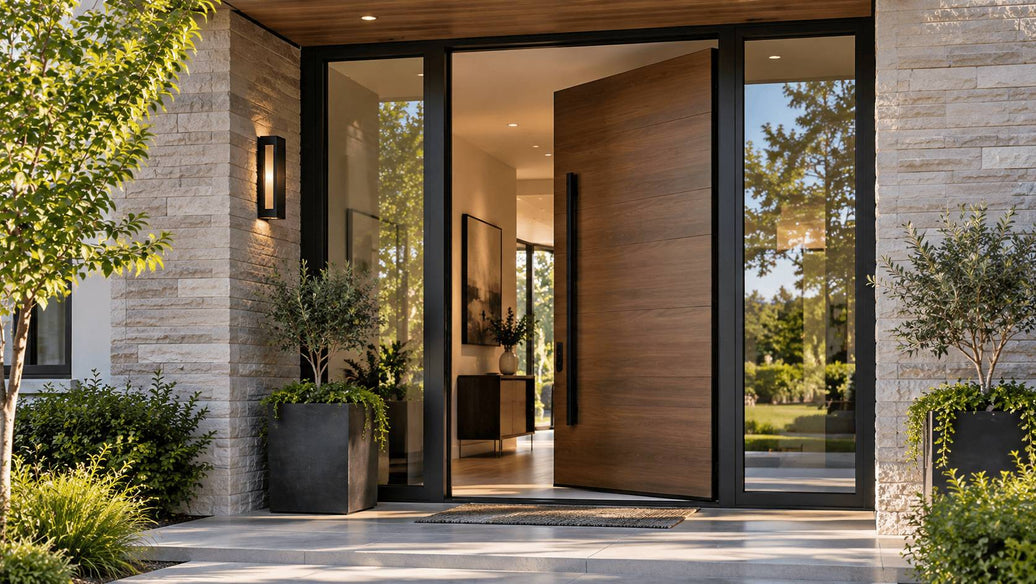
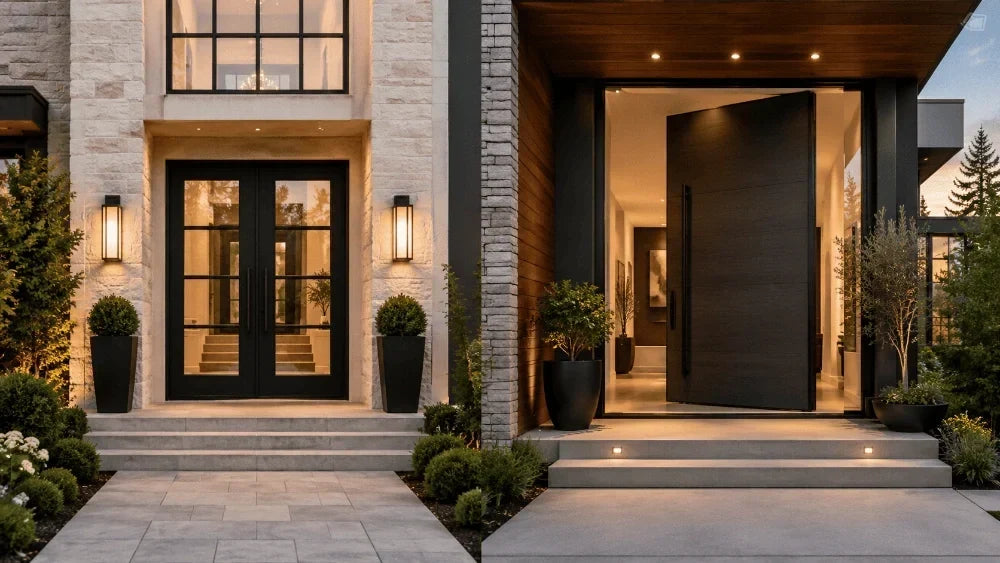
The Luvindow solid wood front door collection shows multiple timber styles and glazed arrangements. Its custom-size solid wood French entry door with glass provides a relevant example of a glazed entrance, rather than a standardised security-test result. For that type of design, the door, glazing, frame and locking arrangement require one coordinated specification.
In the Keller, Texas mahogany-door project, material selection and decorative glass were coordinated with access hardware. Its project account identifies materials and access hardware, not a complete-door forced-entry classification.
For a demanding opening, request an elevation, hardware schedule, anchor detail and any relevant test report. Confirm changes to glazing, locks or dimensions in writing.
Which Documents Should Accompany a Security Claim?
A supplier can support a proposal with material and hardware data, signed shop drawings, installation instructions and test reports where available. Each document answers a different question: a hinge data sheet identifies capacity, a drawing fixes the intended arrangement, and a test report describes the specimen and test conditions. Absence of a matching security test should be stated rather than hidden behind broad terms such as 'premium security'.
What Does ASTM F476 Evaluate?
ASTM F476-23 covers security testing of swinging door assemblies, including the leaf, lock, strike, hinges and jamb. It is relevant when a project needs a defined forced-entry evaluation, but citing the standard is not evidence that a particular Luvindow product has passed it. Request a report identifying the specimen, configuration and test result; a certificate for another door or component cannot automatically support a custom assembly.
How to Verify Solid Wood Door Security Before Ordering
A secure solid wood front door begins with suitable joinery and properly supported locks, not with timber weight alone. The practical acceptance record should connect the agreed drawings to the delivered leaf, strike locations, hinges, glass details and installed anchors. This creates a basis for checking both intended security provisions and normal operation without assigning an unsupported performance grade.
Send opening dimensions, wall construction, swing, glazing and hardware requirements through the Luvindow project inquiry. Request the hardware schedule and system drawings before final approval so the contractor and supplier are working from the same configuration.
FAQs
Q: Does a heavier solid wood door automatically provide better security?
A: No. Greater mass may change how the leaf responds to force, but the lock, strike, hinge fixings, frame and wall connection still govern important failure points. A heavier leaf can also require more capable hinges and stronger frame support.
Q: Should security glass be specified for a glazed front door?
A: That depends on the location, threat assessment and applicable building rules. Safety glazing addresses injury risks, while security glazing has separate resistance objectives. Confirm the proposed glass, retaining system and nearby hardware as part of the door specification.
Q: Can an existing frame be reused with a new solid wood door?
A: Sometimes. A contractor should verify sound material, alignment, strike backing, hinge preparation, fixing engagement and drainage before reuse. A damaged or unsupported existing jamb can undermine a new leaf.