Replacing only an aluminum window sash can preserve interior trim and limit disruption. It can also leave the project tied to an old frame, old drainage route, or old glazing pocket that no longer suits the renovation goal. Full-frame replacement creates a broader scope, but it gives the team access to the perimeter conditions that an insert cannot address. The existing opening usually gives the answer: where water appears, whether the frame is stable, how the sash operates, and what the new glass or ventilation requirement asks of the assembly.
Locate the Problem Before Choosing the Scope
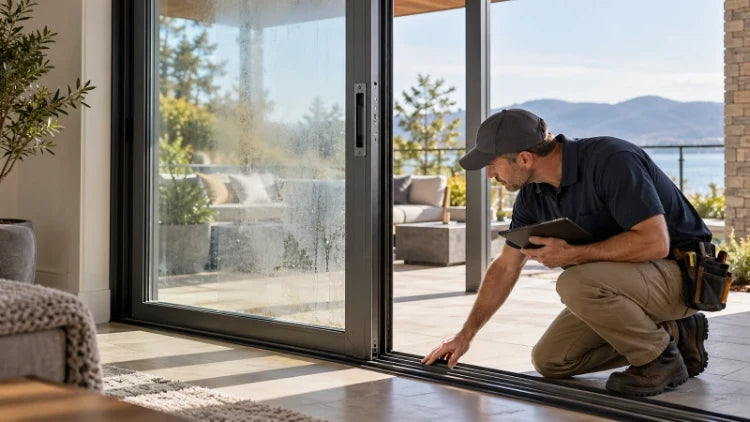
A loose handle, damaged sash corner, failed insulated glass unit, or worn weatherstrip can make a sash-focused repair reasonable. Water staining at the sill, corrosion around the frame, recurring leakage at the wall interface, or an opening that has moved is different evidence. It points beyond the moving panel. Replacement work goes wrong when every complaint is treated as a sash problem simply because the sash is the visible moving part.
A stable frame can support a limited intervention
Keeping the frame is more realistic when it remains square, sound, and compatible with the intended sash and glazing. The existing reveal and interior trim may then stay largely intact. Even so, the replacement sash needs a known relationship to the old frame: hinge positions, locking points, gasket lines, glass bite, and the room needed for the swing. “Same size” is not enough if the old system and the proposed system use different frame depths or operating geometry.
Perimeter damage changes the decision
Corrosion, failed sealant at the wall connection, softened surrounding material, or staining that begins outside the sash line needs a wider investigation. The U.S. Department of Energy notes that window upgrades should be considered with the surrounding opening and whole-house conditions, rather than as isolated glass changes. In a renovation, that means following the evidence back to the frame, sill, flashing, and wall finish before deciding that a new sash will solve a water or comfort complaint.
A Sash Replacement Depends on Compatible Geometry
An aluminum sash window is an assembly of more than an operable frame and glass. Hardware needs mounting space. Gaskets need a matching contact surface. The glazing pocket needs to accept the intended unit. Drainage openings need to remain clear. When the original manufacturer data is unavailable, those relationships are harder to prove, and a “drop-in” replacement becomes a riskier promise.
Glass upgrades can expose the limits of an older frame
A project may want to replace single glazing with an insulated unit, add a different coating, or change the appearance of the glass. Those changes affect thickness, weight, edge support, and the clearances around the sash. Aluminum window systems can use different glass build-ups rather than one universal glazing configuration. Glass selection is tied to a specific system. It should not be assumed that an older frame will accept a thicker unit without confirming the pocket and operating hardware.
Operation needs to be reviewed in the finished room
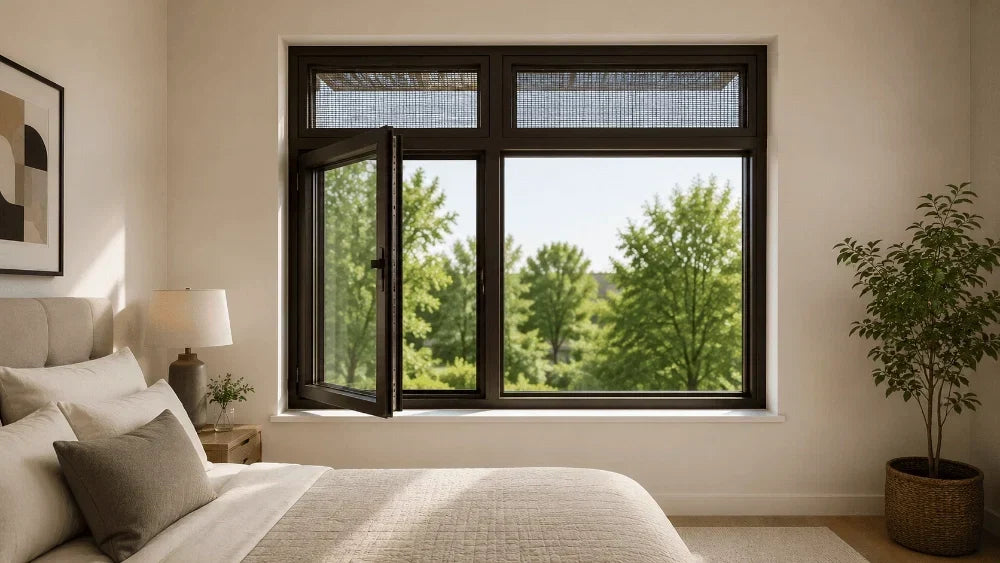
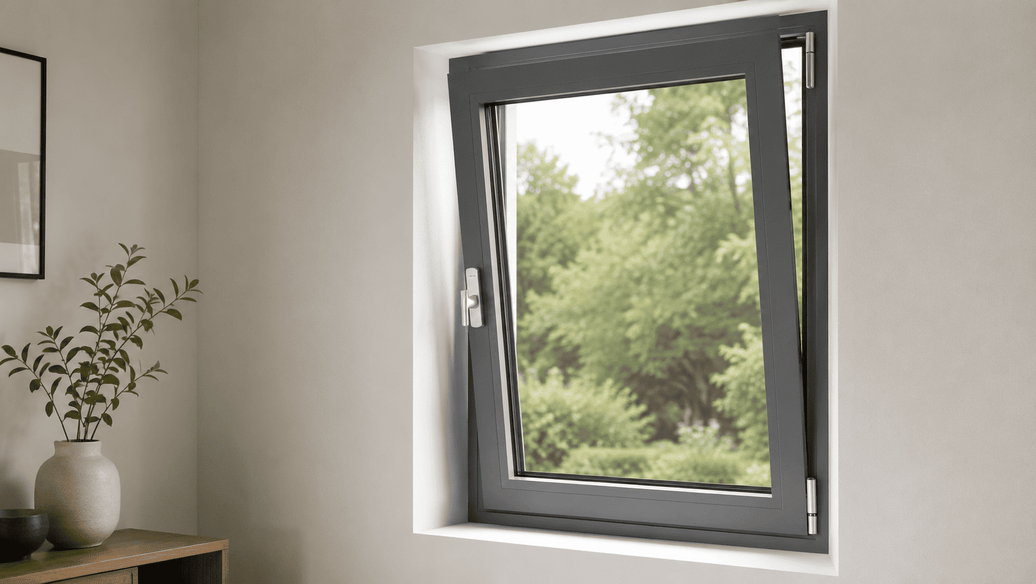
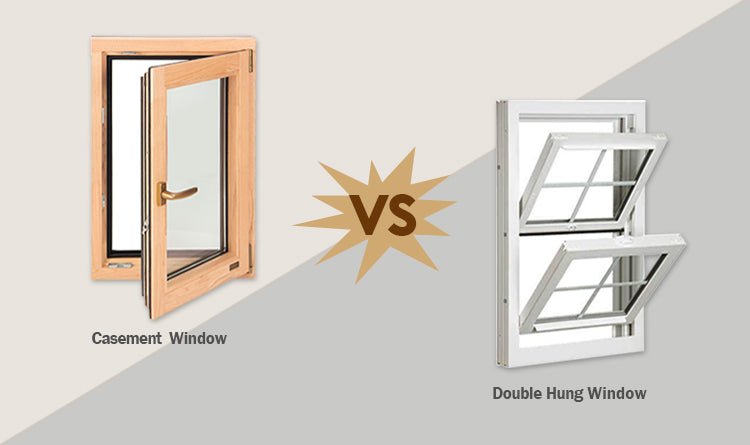
Out-swing casement windows, tilt-turn units, and fixed lights use the opening in different ways. A new sash may need more room from trim, blinds, insect screens, exterior guards, or nearby walls than the old one did. Decorative surfaces placed too close to an operable sash can stop normal opening. Renovation drawings should include the finished trim and hardware zone, not only the masonry or stud opening.
Full-Frame Replacement Changes the Work Around the Window
Removing the old frame can make it possible to correct a perimeter problem, change the frame depth, revise the sill strategy, or prepare the opening for a different system. It can also disturb interior finishes, exterior cladding, flashing, and paint. The scope is larger because the window is no longer being treated as a component replacement. It is being coordinated with the wall.
Drainage and air paths need a continuous route
A frame can have drainage features and still perform poorly if water reaching the opening has no reliable way back out through the wall detail. The project materials describe open drainage through sash and frame passages on several aluminum series. That supports a narrow conclusion: drainage needs to be considered as a route, not as a single hole in a product drawing. A full-frame scope gives the design and installation team a chance to inspect the sill interface, connection points, and exterior transition together.
Measurements have to reflect the scope being priced
Sash-only work requires accurate measurements of the existing frame and compatible hardware points. Full-frame work needs the structural or finished opening, wall depth, trim return, exterior finish, waterproofing approach, and tolerance for removal. Mixing those two measurement sets in one early quote creates false certainty. A supplier can price a proposed system, while the project team still needs to decide how the wall will be opened, protected, and made good around it.
The site record should also distinguish an opening measured to exposed aluminum from one measured after trim removal. Those dimensions may not describe the same condition. A small difference can affect whether a replacement frame can be installed without changing the reveal, the sill finish, or exterior closure. Marking the reference plane on photos and drawings gives the estimator, installer, and renovation lead a shared basis for discussing the work.

Use a Simple Comparison Before Authorizing Work
|
Question |
Sash replacement is more plausible when |
Full-frame replacement deserves stronger consideration when |
|
Source of the problem |
Damage is limited to the sash, glass, or compatible hardware. |
Water, corrosion, movement, or deterioration appears at the frame or wall interface. |
|
Glazing goal |
The existing pocket and sash can be verified for the new glass. |
The intended glass or performance target no longer fits the old assembly. |
|
Room and facade impact |
Keeping trim and exterior finishes intact is a priority and the frame is sound. |
The project can coordinate trim, flashing, cladding, and sill work around the opening. |
|
Information available |
Manufacturer details or careful field records establish compatibility. |
Compatibility cannot be established with enough confidence for a sash-only scope. |
The table is a way to organize evidence, not a substitute for field diagnosis. It becomes especially important in older buildings where the visible sash may be the newest part of the opening. A careful inspection can show that the frame, sealant, and wall return have different ages and different failure histories. That history can change the repair sequence substantially.
Removal work can uncover conditions that a sash replacement leaves hidden
A full-frame scope gives access to the opening, but it also creates work that must be planned before demolition starts. Interior trim can crack or need replacement. Exterior cladding may have to be cut back. Flashing, insulation, sealant, and finish materials may be disturbed before the new window is set. Neither full-frame work nor sash repair is automatically the lighter intervention. The quote should describe the limits of removal and reinstatement so the project can assign those tasks to the correct trade.
Older coatings and surrounding materials need a renovation plan
On older buildings, paint, caulk, and debris around a window can affect how work is staged and contained. In the United States, the EPA Renovation, Repair and Painting program applies to certain work that disturbs lead-based paint in pre-1978 housing and child-occupied facilities. The applicable requirement depends on the property and scope, but the practical lesson is broader: a window scope cannot be planned from the visible sash alone when removal may disturb adjacent finishes. The renovation lead should identify those conditions before choosing a lower-price scope that assumes a clean opening.
Bring the Replacement Request Back to a Verifiable System
Once the scope is clear, LUVINDOW can help assess whether the issue is limited to the sash or extends to the frame and surrounding opening. The review considers the frame condition, drainage path, glazing compatibility, operating geometry, wall interface, and required installation work. These details clarify whether a limited sash replacement is practical or whether replacing the complete window system would provide a more reliable result.
For a wider view of available frame and operating options, the Aluminum Windows collection is a sensible starting point once the project has decided whether it is pricing a sash intervention or a full-frame scope. The most useful quote will state which condition it addresses and which wall or installation responsibilities remain outside the supplied window package.
Make the Next Step Match the Renovation Scope
A sash replacement is often the lower-disruption choice when the old frame is sound and compatibility is documented. Full-frame replacement is usually the more defensible route when the problem sits at the perimeter, the glazing goal exceeds the existing assembly, or the renovation already opens the wall around the window. The costly mistake is choosing the smaller scope before locating the failure path.
For a renovation inquiry, send the interior and exterior photos, opening measurements, the symptoms observed, glass goals, and any available information on the existing unit through an aluminum window project discussion. That gives the product conversation a clear starting point and makes it easier to separate a sash question from a frame-and-wall question.
FAQ
Q: Can a single-pane aluminum window always be upgraded by replacing the sash?
A: No. The existing frame, glazing pocket, sash weight limits, hardware, and drainage arrangement need to be compatible with the new assembly. Some projects need a wider frame-and-wall scope.
Q: Does water at the sill always mean the full frame must be replaced?
A: Not always. The source could be glass, sash gaskets, drainage passages, sealant, flashing, or the surrounding wall. The repair scope should follow the verified path of the water.
Q: What photos help an aluminum window replacement inquiry?
A: Include interior and exterior views, the sill and jambs, visible corrosion or staining, hardware, the open sash, surrounding trim, and any accessible view of the exterior transition.