Comparing aluminum window companies for a custom home takes more than placing three prices beside one another. The quotes may describe different glass, frame depths, hardware, finishes, testing, packaging, or site support. One supplier may price a complete schedule; another may leave major decisions open. A useful comparison covers scope, drawings, samples, test evidence, hardware, lead time, installation support, and after-sales service. It is built around evidence and project handoffs: what is defined, what remains conditional, and who carries each decision into fabrication and installation.
Begin With One Comparable Window Schedule
A supplier cannot quote the same scope as another supplier when the schedule is vague. Establish opening IDs, approximate sizes, operation, handing, frame material, finish direction, glass intent, screens, hardware, and relevant performance needs. Mark unknown items clearly. The goal is not to freeze every detail before speaking with manufacturers. It is to keep missing information visible so a low price is not mistaken for an equal offer.
Separate base scope from options
Custom aluminum windows often carry several legitimate alternatives. Glass coatings, laminated lites, divided-light patterns, insect screens, specialty colors, and upgraded hardware can change the cost and lead time. Ask each company to show the base configuration and options separately. When one quote bundles an upgrade and another excludes it, the comparison sheet should reveal that difference immediately.
Look for exclusions in plain language
Freight, unloading, taxes, field measurement, engineering, shop drawings, anchors, sealants, installation, and replacement parts may sit outside the product price. An exclusion is not necessarily a problem, but it should be stated clearly in the quotation and scope documents. Rewrite each offer into the same project categories and ask about any blank cell. This turns a stack of proposals into a procurement record that can survive later design changes.
Shop Drawings Reveal How a Company Thinks
Architectural aluminum windows are coordinated through details, not sales adjectives. A useful shop-drawing package identifies unit dimensions, frame depth, mullions, operation, handing, glass build, hardware, drainage, anchorage zones, perimeter joints, and interfaces with adjacent work. It also carries revision control. Drawings that simply repeat an elevation without resolving the wall section leave the hardest questions for the site.
Ask who prepares and reviews the details
Clarify whether drawings are produced by the manufacturer, a dealer, or a separate drafting group. Identify the technical contact and the expected review sequence. A custom home may have stone cladding at one opening, stucco at another, and wood trim at a third. The same frame can meet those walls differently. A company that asks for sections and finish build-ups early is more likely to expose those differences before production.
Revision handling matters
Window packages change as structure, cabinetry, waterproofing, and interior finishes develop. Compare how revisions are marked, priced, and approved. The latest schedule should be traceable to the latest drawing set. Otherwise an accepted finish change may appear on the proposal but not the fabrication document, or a resized opening may remain hidden in an email thread.
Samples Connect Design Intent to Production
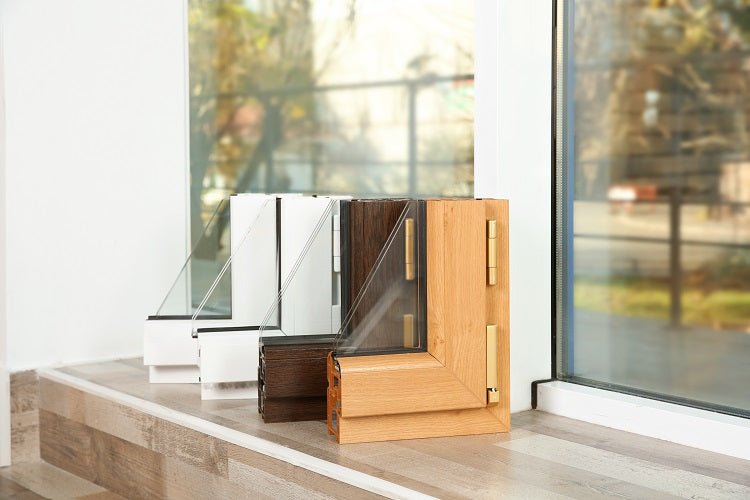
Digital images cannot settle every finish and glass question. Request samples that match the proposed material closely enough to judge color, texture, reflectance, sightlines, gasket appearance, and hardware feel. Review them beside the home's cladding and interior palette. Large mock-ups are not necessary for every residence, but critical combinations deserve more than a screen rendering.
A sample needs a record
Label approved samples with color, coating or finish reference, date, and project. Photograph them in controlled and site lighting. Then connect the approval to the order documents. This prevents a pleasant but unidentified sample from becoming the standard after the product specification has moved on. It also gives the owner a reference if future replacement parts or touch-up work are needed.
Test Evidence Must Match the Proposed Assembly
Performance reports are useful when the tested size, operating type, frame, glass, and boundary relate to the proposed units. A fixed sample cannot automatically represent an operable casement. Center-of-glass data does not describe a whole window. Wind, water, air, thermal, impact, acoustic, and security claims also address different questions. Compare only the evidence the project actually needs, and note where a larger or altered unit falls outside the tested configuration.
Certifications need scope and validity
A logo on a brochure is not enough. Ask what product, test standard, plant, or market the certification covers and whether the document is current. Local code and design professionals determine which evidence is acceptable for the project. A qualified supplier should be able to provide applicable records for the proposed configuration without turning them into a blanket promise for every opening.
Hardware and Replacement Parts Affect Ownership

Handles, hinges, operators, locks, rollers, gaskets, and screens are the parts occupants touch and service. Compare the hardware proposed for heavy or frequently used units. Ask how adjustment is performed, which parts are replaceable, and how a future request is identified. A beautiful window can become frustrating when a small component has no name, drawing reference, or supply path.
Warranty language should name the remedy
An aluminum window company warranty should state its term, covered components, exclusions, claimant, transfer conditions, documentation, and remedy. Finish, glass seal, hardware, and installation may have separate treatment. Read the process as carefully as the duration. A longer headline period is less useful when labor, freight, access, or replacement-part obligations are unclear.
Lead Time Is a Chain, Not One Date
Custom schedules pass through drawing, approval, material, fabrication, glazing, quality review, packing, freight, customs where applicable, site storage, and installation. Ask for milestones and dependencies rather than one optimistic delivery week. A late glass approval or revised opening can move the production slot. The programme should show when the supplier needs final information and how changes affect the next milestone.
Packaging belongs in the comparison
Large or finished units can be damaged between factory and opening. Compare crate design, labeling, corner protection, moisture protection, panel separation, unloading instructions, and the method used to match packages to opening IDs. The site needs enough information to inspect deliveries without unpacking every unit in the wrong area. Good packaging is part of project support, not a decorative extra.
Project Support Continues After the Order
A custom-home package remains active through opening verification, approvals, delivery, installation, adjustment, and handover. Compare how each company handles technical questions during those stages. A named contact and a clear response path are more useful than a broad promise of support. The supplier should also explain which questions belong to its scope and which require the architect, engineer, installer, waterproofing contractor, or local authority.
Installation information should match the supplied system
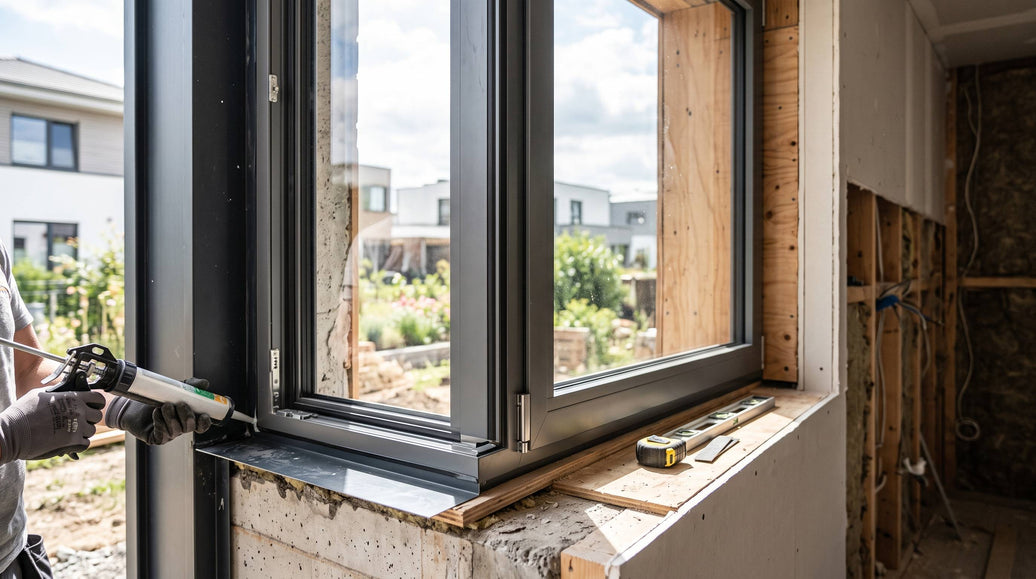
Generic installation advice cannot resolve every wall. Useful documents identify frame setting points, sill support, allowable fastener zones, drainage openings, glazing restrictions, adjustment points, and compatible maintenance procedures for the selected unit. The project designer still owns the wall interface, yet the supplier needs to provide enough system information for that interface to be detailed. Missing information at this stage often reappears as site improvisation.
Handover records protect future service
At handover, the owner should receive final schedules, approved drawings, finish references, glass descriptions, hardware identification, care guidance, warranty documents, and contact details for service. Opening IDs should remain traceable to those records. This package helps a future contractor identify a failed operator or glass unit without measuring the entire house from the beginning. It also reveals whether the company has treated the windows as a one-time shipment or a maintainable building component.
Use a Shortlist Based on Fit, Not Familiarity
Once the schedule and evidence needs are clear, Luvindow can be evaluated on the same basis as any other candidate: drawing responsiveness, product fit, available evidence, samples, logistics, and after-sales documentation.
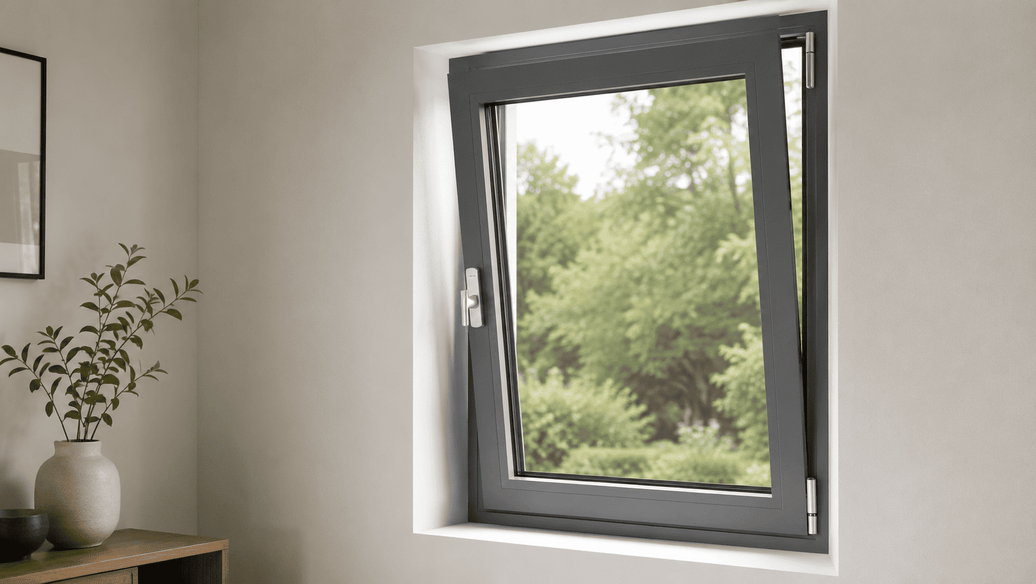
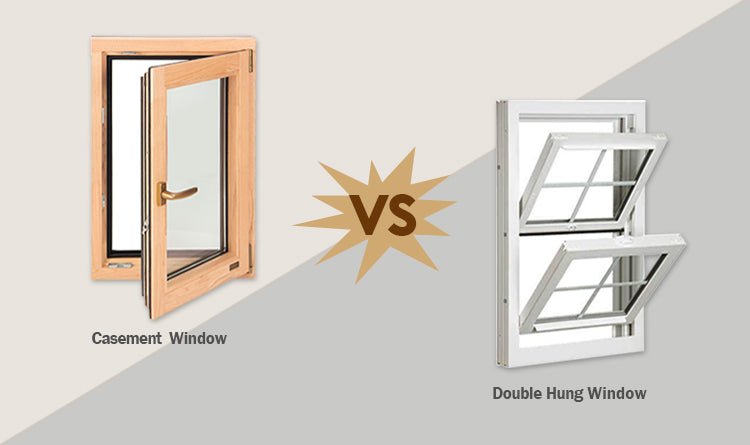
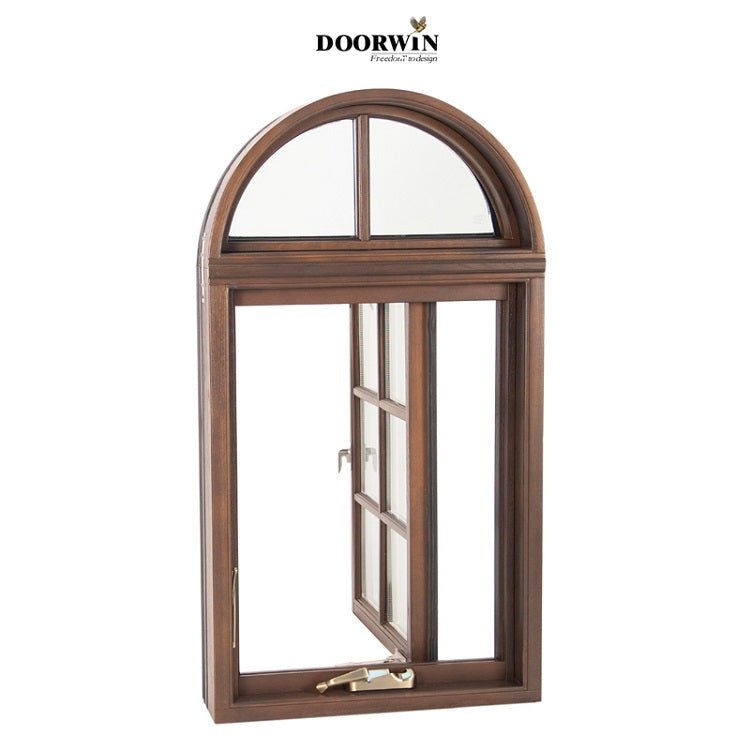
The Crank Out Casement Window is one specific aluminum window direction for discussing operation and frame format; it does not stand in for a full custom-home schedule or project compliance review.
A wider comparison can use the aluminum window collection to identify relevant operating families after room needs and opening conditions are known. Keep that step separate from approval. A collection narrows the conversation, while drawings, glass, hardware, evidence, and wall details determine whether an individual configuration fits.
How to Choose the Right Aluminum Window Company
The stronger proposal makes the offered assembly and unresolved work easy to see. It defines the scope, marks exclusions, answers technical questions, controls revisions, protects delivery, and leaves a workable record for ownership. Price still matters. So do design, schedule, and risk. When those categories are visible, a custom-home team can compare aluminum window companies and select a supplier without pretending that every quote began with the same scope.
To start a grounded comparison, send the window schedule, elevations, wall sections, glass goals, finish references, site location, programme, and known performance requirements through the project inquiry form. The response can then focus on the actual openings and identify information that still needs design-team or code review.
FAQs
Q:How many aluminum window companies should a homeowner compare?
A:There is no fixed number, but two or three genuinely comparable proposals are often more useful than many incomplete prices. Each candidate needs the same schedule and the same list of required clarifications.
Q:Is the longest warranty automatically the best?
A:No. Coverage, exclusions, remedy, documentation, labor, freight, and the process for obtaining parts matter alongside the stated duration.
Q:What should be approved before custom windows enter production?
A:The final opening schedule, dimensions, operation, handing, glass, finish, hardware, screens, drawings, commercial scope, and delivery assumptions should be aligned. Project-specific code or engineering approvals also need to be complete where required.