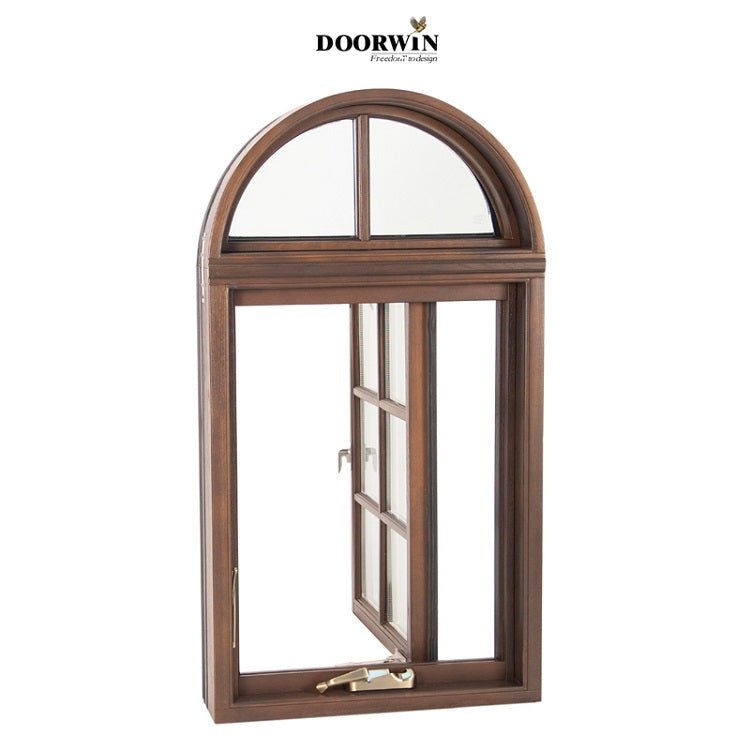
Condensation around a double-pane casement window is not one single fault. Water on the room-side glass usually follows indoor humidity and a cold surface. Fog sealed between the panes points instead to a problem within the insulated glass unit. The first useful step is to locate the moisture, then follow the evidence through the glass, spacer, sash, frame, room air, and exterior junction. That sequence prevents a simple humidity issue from being treated as a failed window, and it also prevents a sealed-unit failure from being dismissed as something a cloth can fix.
For a renovation or replacement team, the visible mark is only the starting point. The real decision is whether the room environment, the glazing unit, or the opening is responsible. Those paths lead to different scopes and costs. A sound frame with a failed glass unit may need a glazing solution; a frame that no longer drains or holds alignment may justify wider work. The distinction is especially important when several windows look similar but only one has fogged.
Start by Locating the Moisture
Inspect the window before cleaning it. Note which face carries droplets or haze, whether the condition changes during the day, and what the room was doing when it appeared. A bathroom after a shower, a kitchen during cooking, or a bedroom on a cold morning can produce temporary surface moisture. That observation is useful, but it is not proof that the casement window or its insulated glass has failed.
Surface Condensation and Between-Pane Fog Are Not the Same
Room-side condensation is on a reachable pane. A cloth can remove it, although the moisture may return when the glass stays cold. Between-pane fog is different: it sits inside the sealed cavity and cannot be touched from either surface. The haze often begins at the perimeter and becomes a wider cloudy patch. That location turns the problem into an insulated-glass assessment rather than a cleaning task.
The Pattern Can Point to the Next Inspection
The pattern helps set the next step. One fogged lite among otherwise clear units can indicate a local seal or sash issue, while several windows becoming wet together points more toward indoor humidity, cold surfaces, or weak air movement. Persistent haze deserves a look at the edge seal, spacer, and sash support even when there is no visible crack.
Why Does Moisture Get Between the Panes?
A double-pane insulated glass unit is built as a sealed assembly. When moisture remains trapped between the panes, the inspection should move to the cavity, glass edge, and seal integrity rather than room ventilation. Persistent internal haze cannot be wiped from either exposed glass surface and will not be corrected by changing indoor humidity alone. Insulating glass technical guidance also treats airspace condensation as a reason to inspect the sealed unit and possible glass damage.
Spacer and Seal Details Affect the Edge
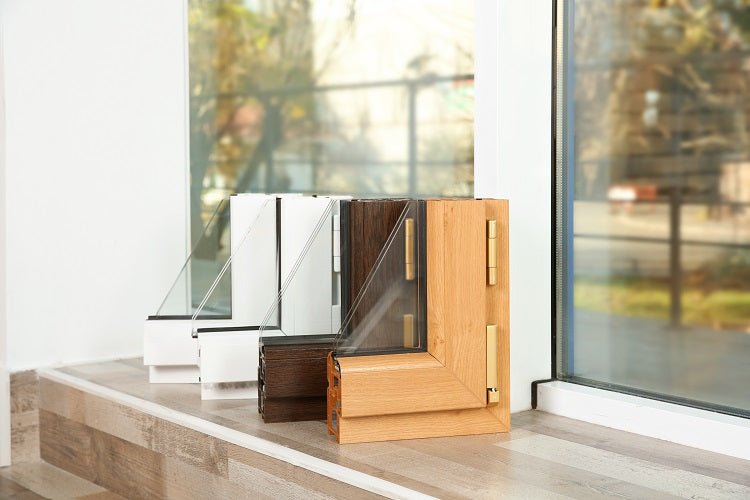
The sealed edge keeps the cavity closed. If seal integrity is lost, moisture can enter the airspace without a dramatic visible crack, and haze may spread from the perimeter inward. Edge damage or a small crack can also compromise the sealed condition. For replacement work, identify the spacer, sealant system, glass thickness, and edge support so the new unit matches the sash rather than treating “double glazed” as a complete specification.
Low-E and Argon Need the Right Context
Low-E coating and argon fill may form part of an energy-efficient casement window, but neither one explains why an installed unit is fogging. They describe a chosen glazing build-up. For a replacement, review the new unit's orientation, edge clearance, sash weight, and fit with the existing frame or replacement sash. A glazing change that ignores those interfaces can trade one problem for another.
Check Room Conditions Before Blaming the Window
Room-side moisture is still worth checking because it can be mistaken for failed glazing. Surface condensation follows the relationship between indoor humidity and glass temperature, so cooking, bathing, closed blinds, or weak air movement may create temporary droplets on the accessible pane. Those droplets do not prove that the sealed cavity has failed.
Humidity Changes Surface Condensation Risk
The same casement window may stay clear in a dry room and show surface droplets in a humid one. Note whether the moisture can be wiped away and whether it changes with room use or weather. Room-side conditions may reduce surface condensation, but they will not clear fog trapped inside a sealed unit.
Ventilation Is Part of the Diagnosis
Ventilation helps diagnose room-side moisture because an operable sash can purge vapor when conditions allow, while a properly routed exhaust system handles moisture without relying on an open window. This check is useful for accessible surface condensation; it does not explain persistent haze sealed between the panes.
Frame, Sash, and Drainage Still Matter

A fogged cavity does not make the frame irrelevant. Poor sash or frame alignment can affect glazing support, gasket contact, hardware operation, and drainage, while IGU seal integrity should be assessed as a separate condition. Water entering at the perimeter may also resemble a glazing problem when the actual weakness sits at the sill or wall interface. Check these paths before choosing a replacement level.
Review the Edge and Weep Path
Follow the route water should take. Look for blocked weeps, damaged gaskets, standing water at the sill, or sealant that bridges a drainage opening. A new sash may hold the replacement glass correctly yet change the path by which incidental water leaves the frame. The drainage geometry matters as much as the clarity of the pane.
Operation Can Reveal a Wider Failure
Operation can expose a wider issue. A binding handle, a dropping sash, or a lock that misses its keeper may indicate movement in the hardware or frame. These signs do not prove that the insulated glass has failed, but they change the scope decision. A square frame may support glass or sash work; a distorted frame or non-draining sill points toward full-frame review.
Choose Between Glass, Sash, and Full-Frame Work
A clouded insulated glass unit does not automatically call for a new window. Glass-only work can suit a sound frame when the sash accepts the replacement thickness and the existing hardware and drainage remain dependable. Sash replacement becomes more relevant when the glazing pocket, operating hardware, or edge support has deteriorated. Full-frame work belongs in the discussion when the frame, sill, flashing, or wall junction contributes to the failure.
Use condition evidence rather than the appearance of the haze alone. Record the affected surface, sash dimensions, frame depth, hardware position, sill condition, and any history of water entry. Measurements and photographs give a supplier something specific to review and reduce the chance of receiving a generic window recommendation that does not match the opening.
If the repair scope is still unclear after inspection, Should You Replace the Aluminum Window Sash or the Entire Frame? provides a broader comparison of sash-level and full-frame work.
Where a Double-Glazed Casement Product Fits
Once the failure location and repair scope are clear, Luvindow can be considered for a project reviewing a thermal-break, double-glazed aluminum casement configuration. That product choice still has to be checked against the measured opening, existing hardware, drainage route, and installation detail. A product reference cannot establish compatibility with an old sash or frame on its own.
A thermal-break double-glazed aluminum casement window gives the team a concrete frame-and-glass configuration to discuss. The useful questions concern the selected glazing build-up, sash weight, edge clearance, and how the proposed unit meets the existing or new opening. Those checks are more meaningful than treating one listed configuration as a universal answer for U-factor or condensation.
When a replacement project needs to compare different operating and frame configurations, the casement window options provide a more focused reference. The final choice should still follow the measured opening, glazing build-up, operating hardware, drainage condition, and compatibility with the existing or new frame.
A Practical Decision Rule
A simple rule follows from the location of the moisture. Room-side water that changes with humidity calls for a review of ventilation, indoor conditions, and the coldest part of the opening. Fog trapped between panes after weather changes calls for an insulated-glass and sash assessment. Drainage, alignment, or hardware trouble in the same opening widens the scope to the frame and installation interface. When compatibility, parts availability, and surrounding conditions are verified, the narrowest repair scope that fully addresses the diagnosed failure is often a practical starting point.
Prepare the Opening for a Useful Conversation
A useful inquiry can include photos of both glass faces, opening dimensions, sash direction, frame depth, hardware position, visible weeps, and the room conditions when moisture appears. Those details can be sent through the Luvindow contact page for a project discussion focused on the actual opening, not just the symptom seen from inside.
FAQ
Q: Can condensation between panes be wiped away?
A: No. Moisture inside the sealed cavity is out of reach from the accessible glass surface. The insulated glass unit, and the sash or frame that supports it, need to be inspected.
Q: Does double glazing stop all window condensation?
A: No. Double glazing can keep interior surfaces warmer when the complete assembly is suitable, but room humidity, ventilation, edge temperature, frame design, and installation still influence surface condensation.
Q: Is a full-frame replacement always needed for a fogged casement window?
A: No. A glass-only or sash-level repair may work when the frame is sound and the drainage and hardware remain reliable. Full-frame work becomes more relevant when the frame or opening is part of the failure.