A custom front door is not a standalone decorative panel. It sits at the point where facade design, structural opening, hardware, waterproofing, finish work, and daily use meet. That makes supplier selection more than a question of catalog style. Reliable front door companies make the project easier to coordinate before fabrication and easier to receive when the door reaches site. Weak coordination often stays hidden until the frame is installed, the hardware arrives, or the finished floor exposes a threshold conflict.
The strongest supplier relationship begins with a clear exchange of information. The project team brings the opening, wall build-up, swing, exposure, and intended look. The door company responds with a configuration that can be manufactured, shipped, installed, and serviced within those conditions. A polished image is useful, but it is not evidence that the interfaces have been solved.
|
What to check |
Reliable signal |
Warning sign |
|
Drawing review |
Confirms opening, floor, wall, swing, and exposure conditions |
Quotes from an elevation or catalog image alone |
|
Dimensions |
Separates rough, finished, and production dimensions |
Treats all dimensions as interchangeable |
|
Finish approval |
Uses an approved sample and written finish reference |
Relies only on a screen color or broad color name |
|
Hardware |
Coordinates hardware while the leaf and frame are being designed |
Hardware is chosen after fabrication details are fixed |
|
Revisions |
Tracks drawing and schedule changes before production |
Changes remain in informal messages |
|
Delivery |
Uses identifiable components and configuration-specific records |
Loose parts or options cannot be traced to the approved package |
|
Closeout |
Keeps product, glass, finish, and hardware identification |
No useful record remains for later adjustment or replacement parts |
The First Signal Is How the Company Reads the Drawing
A capable supplier asks focused questions about the project rather than filling gaps with assumptions. Does the door swing in or out? Is there a finished floor change across the threshold? Will the door sit behind a porch or on an exposed facade? Are sidelites, a transom, access control, or a screen door part of the entry? These questions are not bureaucratic. Each one affects the frame, sill, hinges or pivot, hardware, and weathering.
The response should also distinguish architectural dimensions from production dimensions. A rough opening, a finished opening, and a visible door size are not interchangeable. When drawings change, the supplier needs a disciplined way to record the revision and show which elements are affected. This is especially important for tall or wide doors where small changes in floor level or cladding thickness can change the clearances around the leaf.
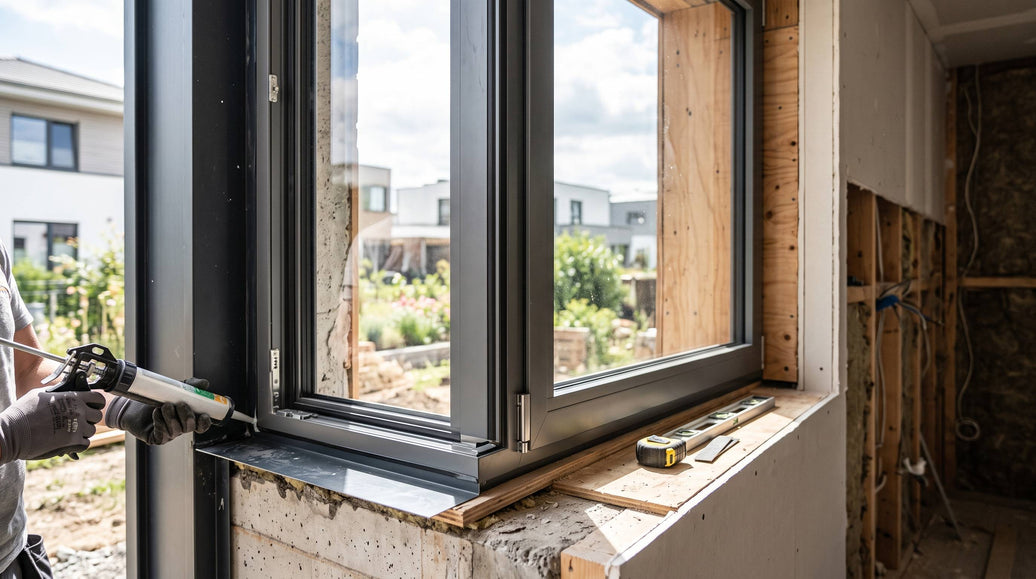
Useful early conversations focus on locations where trades meet: the frame-to-wall connection, sill support, flashing plane, interior returns, exterior trim, and hardware prep. A door company that can identify those interfaces helps reduce later improvisation. It should not replace the architect or installer, but it should be able to explain what it needs from them and what it will provide in return.

Finish Decisions Need a Controlled Reference
Custom entrance doors are viewed at close range. The finish must be discussed with the actual material, coating or stain system, texture, gloss, and light conditions in mind. A screen image is not a reliable color standard. For a project with a sensitive exterior palette, an approved sample and written finish description make a better reference than a broad color name alone.
The same discipline applies to glass, decorative panels, and metal accents. A reflective lite can read differently on a shaded porch and a west-facing facade. A wood-grain effect may change with profile shape and joint direction. A reliable supplier identifies what is standard, what is custom, and which approval is needed before production moves forward. That gives the project team a controlled decision instead of a surprise at delivery.
Hardware Is an Interface, Not an Accessory
Handles, locks, closers, pivots, hinges, cylinders, and electronic access devices all rely on door construction and frame geometry. The hardware package should be coordinated while the leaf is being designed, not after it has been fabricated. A long pull handle may need backing. A multi-point lock needs compatible prep. A large leaf needs support hardware within its rated use. Those conditions are part of the door, even when the hardware is supplied separately.
For a security entry door, the project also needs clarity about which functions are being requested. A stronger-looking slab, a lock choice, impact-resistant glazing, and frame anchorage are different elements. Claims should be tied to the specific construction and site requirements, not generalized from an unrelated model. The project team can then compare like with like rather than relying on broad security language.
Delivery Readiness Shows Up Before the Truck Arrives
Packaging, labeling, and documentation are easy to ignore until a custom door is moving through a crowded jobsite. A clear shipping record identifies the door or frame components, handing, glazing status, and any separate hardware or trim. Installation information should match the supplied configuration, particularly where a sill, pivot, screen, or sidelite changes the sequence. The receiving team needs to know what to inspect before the packaging is removed and where any visible damage is recorded.
This is also where responsibility boundaries become valuable. The supplier can define product handling, storage expectations, and installation interfaces. The builder can control site conditions, equipment, and final weather protection. When neither side states those boundaries, a door may be left exposed, stored in a way that conflicts with the manufacturer's guidance, or installed before the surrounding work is ready.
For a custom entrance that needs those details aligned early, Luvindow can review the opening, finish intent, and hardware approach with the project team.
The Front Pivot Glass Door With Sidelite is a relevant example when a front entry combines a large leaf with adjacent glazing.
The Luvindow entry door collection provides a broader view of entry-door configurations when a facade package needs coordinated decisions rather than isolated product selections.

A Reliable Supplier Makes the Handover Clearer
Compare Quotations on the Same Assumptions
A useful quotation separates what has been selected from what remains open. The door construction, opening direction, glass, finish, hardware preparation, frame type, and threshold arrangement should not be buried in a single generic line. Where a choice is still pending, the record should say so. That gives the architect and builder a chance to compare the same assumptions instead of discovering later that different parties were pricing different assemblies.
For a facade package, the front door must also relate to nearby windows, sidelites, and cladding. Frame depth, exterior sightlines, color, and the position of glass divisions can affect the perceived alignment across the elevation. A supplier does not need to design the whole facade to be useful, but it should be able to work from the relevant elevations and point out where the chosen door construction may alter a visible joint or reveal.
Track Revisions Before Fabrication
The way a company handles revisions is often more revealing than its first response. Custom projects change after field measurement, finish coordination, or hardware selection. Keep a clear record of what changed, which drawing or schedule controls, and whether fabrication or installation is affected. Informal messages can leave the site and production teams working from different assumptions.
Keep Product Records for Delivery and Future Service
Reception on site is another practical test. Custom exterior doors should be stored and handled according to the supplied guidance, protected from unnecessary moisture and impact, and inspected before they are built into the wall. A company that gives the receiving team identifiable components and configuration-specific paperwork makes that handover more manageable. It also makes it easier to resolve a genuine issue without debating which version of the door was delivered.
A front entrance can also affect the sequencing of the whole facade. Exterior stone, cladding, trim, drainage layers, and interior flooring all terminate near the frame. If the door supplier receives only a rough elevation, it may have no way to identify a conflict between the selected frame depth and the planned exterior return. Sections through the jamb, head, and sill make those conditions visible. The goal is not to produce extra paperwork; it is to avoid a site adjustment that damages a finished edge or compromises the intended weather line.
Service after installation is easier when the original configuration remains legible. Record the product type, handing, key finish selection, glass description, and hardware identification with the project closeout material. A future owner or facilities manager may need to replace a cylinder, adjust a closer, or order a compatible screen or trim component. That basic record does not turn a custom door into a standard item, but it reduces the time needed to identify compatible replacement components during future maintenance.
What Makes a Front Door Company Reliable?
Reliable front door companies distinguish themselves through drawing control, finish approval, hardware coordination, revision tracking, delivery records, and clear responsibility boundaries. For a custom project, a reliable supplier should do more than present an elaborate gallery: it should turn project information into a specific configuration, identify the interfaces that still need decisions, and deliver a package that the site team can receive without guesswork. That is especially valuable when the entry is oversized, highly exposed, or tied to custom finishes and hardware.
Ask how drawings are reviewed, how changes are recorded, how finish approvals are controlled, how hardware is coordinated, and what arrives with the shipment. The answers reveal far more about day-to-day reliability than a generic promise of quality.
For a front-door discussion based on the actual facade and opening, contact the Luvindow project team with the available drawings and hardware intent.
FAQ
Q: What information should be sent to a custom front door company first?
A: Provide the opening dimensions, wall and floor build-up, swing direction, exterior exposure, desired finish, glass intent, and any known hardware requirements. Elevations and sections are useful where available.
Q: Why does finish approval matter for an exterior door?
A: Color, texture, gloss, and grain can look different under actual daylight and against nearby facade materials. A controlled sample reduces ambiguity before fabrication.
Q: Can a door supplier coordinate hardware supplied by another party?
A: Often yes, but the hardware details need to be shared early enough for compatible door preparation and support. Responsibility for supply and installation should be clear in the project records.