Patio door glass replacement is usually appropriate when the insulated glass unit has failed but the panel, frame, track, and hardware remain serviceable. Replace the complete door when structural or operating components cannot be repaired reliably, or when a different opening or threshold is needed. Water around the wall interface may instead require flashing or perimeter repairs without replacing a sound door. Fog trapped between panes suggests a failed insulated-glass seal; dragging or poor locking points toward a separate operating problem. Diagnose the affected components before comparing quotes.
Separate Glass, Panel, Frame, and Wall Problems
Assess a sliding glass door at four levels: the insulated glass unit, moving panel, outer frame and track, and surrounding wall connection. Each can fail on its own, but one defect may affect another. A damaged glass unit does not automatically justify a new frame. Equally, glass replacement will not solve recurring water entry caused by a poorly supported sill or failed perimeter flashing.
Layer one: the insulated glass unit
An insulated glass unit includes lites, spacer, seals, coatings, and specified gas fill or laminated layers. Cracking, edge damage, or fog within the sealed cavity may warrant a new unit. Its thickness, edge support, safety glazing, and weight must suit the existing panel; visual similarity is not enough.
Layer two: the moving panel
The moving panel carries glass, rollers, locks, interlocks, and weather seals. Warped members, damaged corners, or unavailable retainers can rule out glass-only repair. Panel replacement is possible in some systems, but drawings, labels, and hardware details must confirm compatibility. Similar-looking parts from unrelated systems may not fit or operate safely.
Layers three and four: frame, track, and wall
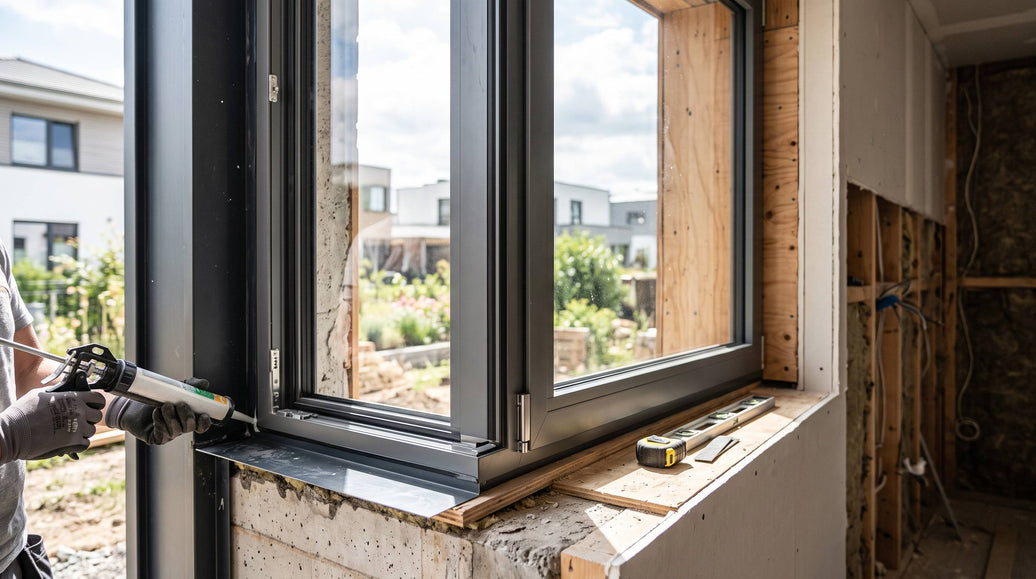
The outer frame transfers loads, supports the track, drains water, and connects the assembly to the building. Bent tracks, corroded sections, loose anchors, blocked drainage, or a frame that is no longer square point beyond the glass. Water staining around the perimeter may come from the wall interface or sill rather than the insulated unit. Replacing the glass will not repair a failed membrane, unsupported sill, or moving opening.
Match the Symptom to Its Likely Scope
A diagnosis begins with what changed and where it appears. Record the location, weather conditions, operating position, and whether the problem is constant or intermittent. Photos help, but measurements and close inspection often decide the scope. Do not remove safety glazing or dismantle a large panel without qualified handling and a plan for temporary protection.
Fog between panes
Fog trapped between panes usually indicates a failed edge seal. Foggy patio door glass replacement can restore clarity if the panel, retainers, frame, and drainage remain sound. First distinguish cavity fog from condensation on an accessible surface. Exterior condensation can be normal; interior condensation may reflect humidity or cold glass rather than a broken seal.
Broken or chipped glass
Broken sliding door glass replacement requires attention to safety type, thickness, heat treatment, lamination where required, coatings, color, and unit construction. The new glass also changes panel weight if the build differs. A cracked lite caused by impact may be isolated. Repeated edge cracking, glass contact, or frame distortion suggests that the support and clearances need investigation before another unit is installed.
Dragging, rattling, or incomplete locking
A panel that drags may need track cleaning, roller adjustment, compatible replacement rollers, or correction of frame alignment. Rattling can involve worn rollers, loose hardware, or insufficient interlock engagement. A lock that no longer meets its keeper may indicate panel movement rather than lock failure. These symptoms belong to the operating assembly, so a glass-only quote does not answer them.
When Glass-Only Replacement Is the Stronger Choice

Glass replacement fits when the failed unit can be matched, the frame remains square, the panel is undamaged, and hardware and retainers are serviceable. It may avoid disturbing the surrounding wall. The installer must still confirm safe access, glass handling, sash weight limits, and adequate clearance within the glazing pocket.
Appearance can limit a partial repair
Replacement glazing may differ visibly from neighboring panels. Coating color, reflection, tint, spacer appearance, and daylight transmission can change with newer glass. On a prominent elevation, compare the proposed glazing specification with the existing units. A technically sound repair may still leave a noticeable difference in appearance.
When the Entire Door Deserves Attention
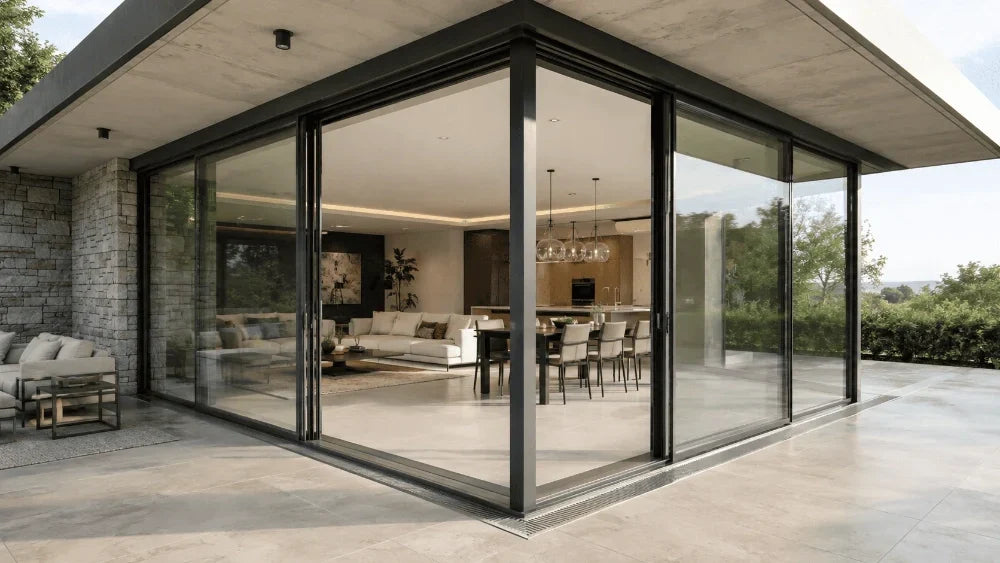
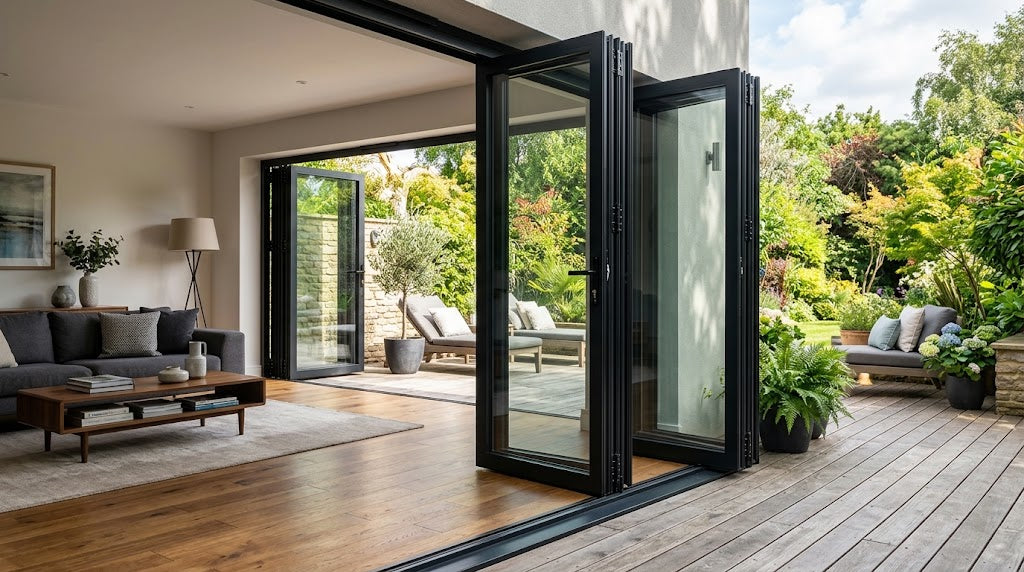
A new sliding glass door deserves consideration when the frame is distorted, tracks are badly worn, compatible hardware is unavailable, or operation remains poor after suitable repairs. Repeated insulated-glass failure may also justify reviewing the entire assembly. Water near the perimeter, however, requires diagnosis: damaged flashing or sill waterproofing might be repaired while keeping a serviceable door. A complete replacement can also accommodate a planned change in panel layout, threshold, or opening size. It is a wider construction decision than ordering replacement glass.
Do not confuse an installation defect with product age
A relatively new door can perform badly if the sill lacks support, the frame is twisted, drainage outlets are covered, or perimeter flashing is incomplete. An old door may still accept a focused repair when its frame and track remain stable. Age informs the discussion, but condition and compatibility determine the scope. Inspect the opening before using a calendar as the decision rule.
When Surrounding Wall Repairs Are Necessary
Full-door removal may expose concealed water damage, missing membranes, uneven structure, or finishes that cannot be reused. Even if the existing door stays, some surrounding cladding or trim may need removal to restore waterproofing. Ask the contractor to identify demolition limits, temporary weather protection, sill preparation, flashing, finish repair, disposal, and final adjustment. These items can make two repair or replacement quotations look very different.
When Is Glass Replacement More Cost-Effective Than a New Door?
A glass-only repair can cost less when the frame, rollers, locks, and retainers remain sound and a matching insulated glass unit is available. But large panels may need specialist lifting and access equipment, and older coatings can be difficult to match. Compare the full installed cost of each option, including labor, transport, disposal, any perimeter repair, and warranty coverage. If the track or frame also needs major work, replacing only the glass may postpone rather than avoid the larger expense.
Build a Comparable Quote From the Diagnosis
Provide overall frame and visible-glass dimensions, safely accessible glazing details, handing, product labels, and photos of the corners, sill, track, and affected glass. Record fogging, movement, locking, or leak symptoms. If complete replacement is possible, include wall type and finished floor levels. Ask each contractor to separate glass supply, panel or frame work, perimeter waterproofing, removal, access equipment, disposal, and finish repairs rather than quoting only one headline price.
Compatibility comes before substitution
Replacement parts and glass retainers are system-specific. The same overall dimension does not guarantee that a new panel fits an existing frame. Before a panel-only solution is accepted, confirm track geometry, interlocks, roller positions, glass thickness, hardware, and drainage. If the original system cannot be identified, a full-door option may be easier to document than an improvised hybrid.
When a New Sliding Door Is the Better Option
When repeated hardware, alignment, or frame problems make full replacement reasonable, Luvindow can review the verified rough opening, finished floor level, and existing wall detail before recommending a new assembly.
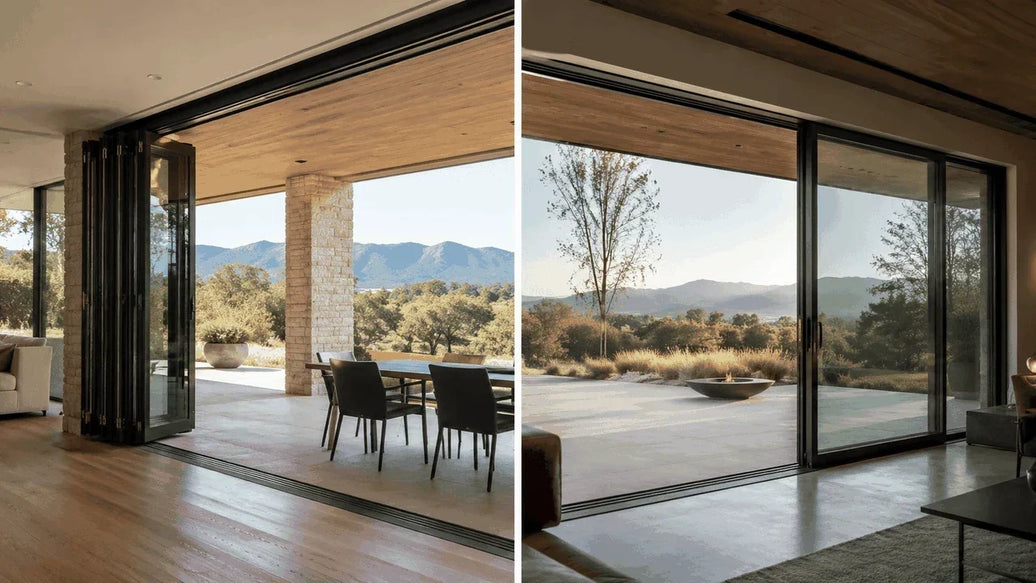
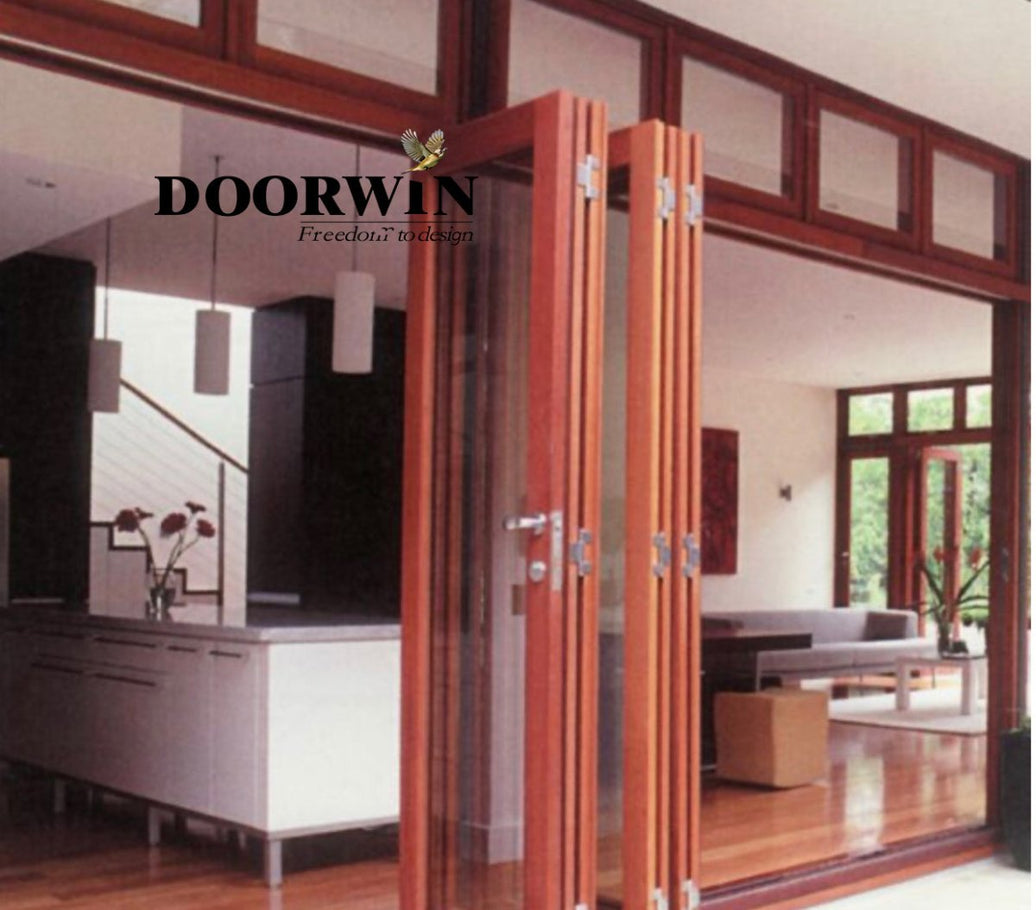
The Aluminum Clad Wood Lift And Sliding Door combines a solid oak interior with extruded aluminum exterior cladding for projects where a complete replacement is appropriate and a warm interior finish is preferred. A featured four-panel installation uses two fixed outer panels and two movable center panels, with multi-point locking hardware. Double- or triple-glazing options can also be considered for the new assembly. These are product and project features, not a promise that the door will fit an unidentified existing frame or resolve a glass-only defect.
Compare other models in the lift-and-slide door range if the room needs a different panel arrangement or threshold. The existing frame, glass, hardware, and wall interface must still be measured and reviewed; a new model does not automatically cure a minor glass-only problem.
Choose the Smallest Scope That Solves the Whole Problem
Replace the glass when the glass is the problem and every surrounding component can support the new unit. Move to panel, frame, or whole-door replacement when defects extend into operation, drainage, structure, or the wall connection. A narrow repair loses its value when the cause remains in the panel, frame, track, or wall. A documented diagnosis creates a cleaner quote and a repair that can be evaluated after the work is complete.
For a focused replacement quote, send photos, product labels if available, frame size (width × height), glazing symptoms, opening direction, track condition, and any leak history through the project inquiry form. Ask whether the proposed work covers glass alone, the operating panel, or the entire installed assembly.
FAQs
Q:Can foggy patio door glass be repaired without replacing the frame?
A:Often it can when the fog is inside a failed insulated glass unit and the panel, retainers, frame, track, and hardware remain compatible and serviceable. The replacement glass build still needs to match the system.
Q:Does broken glass mean the whole sliding door is unsafe?
A:Broken glass needs prompt professional assessment and safe temporary protection. It does not automatically mean the complete frame has failed, but the cause, safety-glazing requirement, panel condition, and support should be reviewed before replacement.
Q:When is full patio door replacement more practical?
A:Full replacement becomes more practical when the frame or track is damaged, parts are unavailable, operation remains poor after service, water entry involves the perimeter, or the project also needs a different size, layout, threshold, or glass strategy.