Thermally broken aluminum windows can work in very cold climates, but the phrase describes one part of the opening rather than a complete winter performance result. A thermal break interrupts a direct metal path through the frame. The final outcome still depends on the whole-window assembly, glazing, spacer, air sealing, installation, and indoor humidity. A frame label by itself cannot predict whether the interior glass edge will stay warm or whether a room will avoid condensation during a cold snap.
For a homeowner, architect, or builder, the useful question is whether the proposed window has a defined thermal boundary and evidence that matches the project. That means separating frame-only claims from whole-unit data, checking the glass package, and reviewing the junction between the window and the wall. Cold-climate suitability is a chain of details. A strong link at one point does not repair a weak link elsewhere.
Start With the Whole Opening, Not the Frame Label
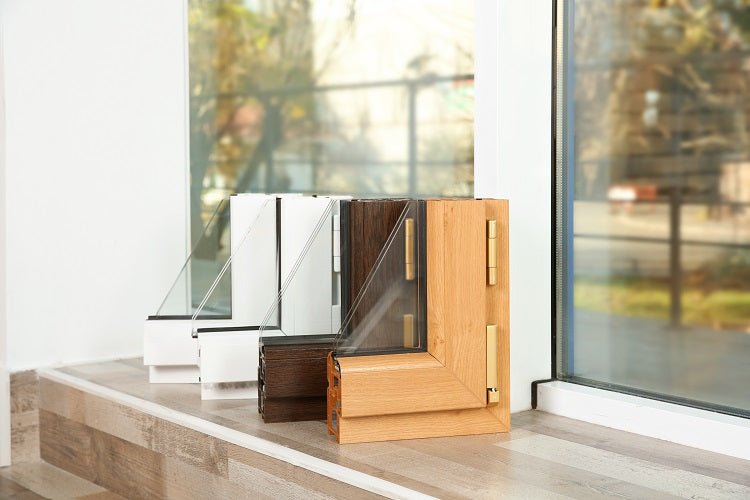
Aluminum is strong, stable, and familiar in many window systems, yet it conducts heat readily when the profile has no insulating break. A thermal barrier reduces that direct path, but it does not remove every bridge at corners, hardware zones, fasteners, sills, or the glass edge. The opening also includes the insulated glass unit, gaskets, sealants, perimeter insulation, and the wall connection.
Frame Claims and Whole-Window Results Are Different
A profile description may confirm that a thermal break exists, but it does not by itself establish whole-window U-factor, condensation resistance, air leakage, or the installed wall boundary. Whole-window ratings can be cross-checked in the NFRC Certified Products Directory before a quotation is approved, with the exact product type, size, and operating configuration kept in view.
The Coldest Point Controls the Experience
Interior comfort is often governed by the coldest surface, not the average frame temperature. A metal corner, spacer edge, or poorly insulated perimeter can become the first place where moisture forms. The review should therefore follow the edge of the glass and the frame-to-wall joint, especially at sills and corners. This is where a visually impressive specification can meet a practical winter problem.
Match the Glazing to the Climate

Glass is a major part of the thermal balance. Single glazing, double glazing, and triple glazing carry different heat-flow behavior, but the number of panes alone does not define the result. Coating position, gas fill, spacer design, glass thickness, and the proportion of frame to glass all affect the calculation. The chosen unit must also fit the sash, weight limit, and hardware of the window.
Low-E and Gas Fill Need a Defined Build-Up
Low-E coatings can limit radiant heat transfer, while an argon-filled cavity can reduce convection within an insulated glass unit when the unit is properly sealed. These features are useful only as part of a specified build-up. The quotation should identify the glazing layers, coating location when relevant, cavity, spacer, and whether the stated performance is for glass only or the complete window.
Warm-Edge Details Are Not Decorative
The spacer sits at the glass perimeter, exactly where indoor surface temperature can drop. A warmer edge can reduce the likelihood of condensation under the same room conditions, but the result still depends on humidity and the surrounding frame. A project that expects winter comfort should treat the spacer and edge seal as part of the thermal specification rather than as small accessories hidden in a catalogue note.
Use Humidity and Dew Point to Read Winter Risk
Even a well-configured window can show surface condensation if indoor moisture is high enough. Cooking, bathing, drying clothes, and crowded rooms add water vapor. If the glass surface falls below the room air's dew point, moisture can appear. That is a building-use condition, not an automatic sign that the frame is defective.
Cold Climate Design Includes Moisture Control
A winter brief should identify the expected indoor temperature and humidity range, the room use, and whether mechanical ventilation is available. The same product can face a different condensation risk in a dry mountain home and a tightly occupied coastal building. Window selection and ventilation planning need to be read together, especially in bedrooms, bathrooms, and kitchens.
Look for Patterns Across the Elevation
If one corner or one sill repeatedly becomes wet, inspect the local junction, spacer edge, or air path. If every window shows similar fogging, the indoor condition or the general thermal specification deserves attention. Patterns help the team avoid blaming the window type for a problem caused by a room, an installation gap, or a missing control strategy.
Installation Can Erase a Good Specification
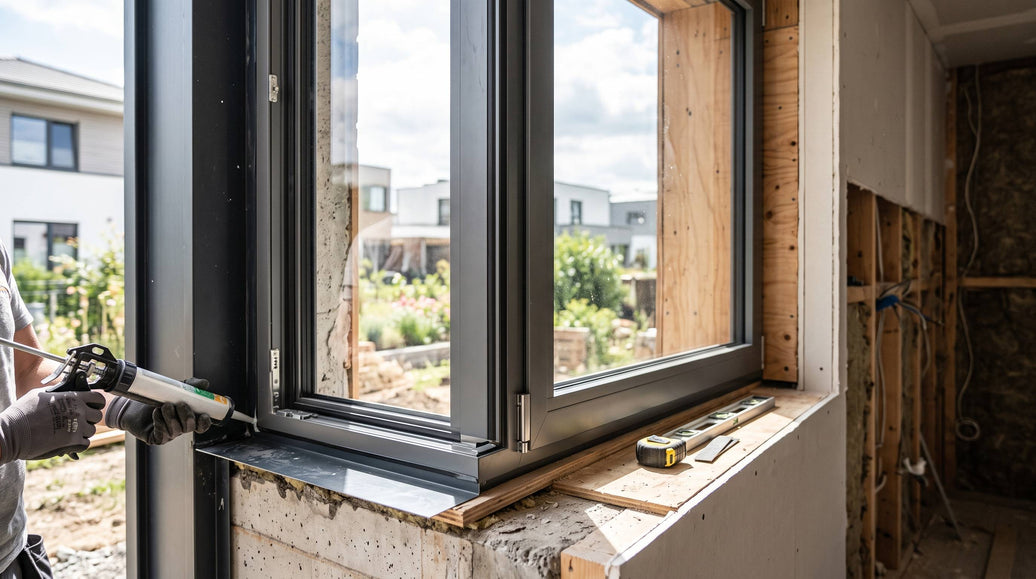
Window ratings describe a defined product under a defined test. They do not automatically describe the installed wall. A frame that is out of square can load the sash and seals. A discontinuous perimeter seal can create a cold air path. Compressed insulation, a bridged sill, or an incomplete flashing sequence can leave the interior edge colder than the product calculation suggests.
Review the Interface Before Ordering
The drawing package should show the rough opening, support, shims, insulation, air seal, water management, and interior finish. The frame depth must suit the wall build-up, and the sill must have a clear route for incidental water. A high-performing window cannot compensate for a junction that leaves water or air inside the wall.
Ask What the Evidence Actually Covers
Ask for evidence that names the product size, operating mode, glazing, frame, and test or calculation boundary. Data for a fixed unit should not be used as proof for a large operable sash, and glass-only data should not be presented as whole-window performance. The goal is not to collect more numbers, but to make each number traceable to the proposed assembly.
Read Ratings Without Losing the Installation Boundary
A winter specification is easier to compare when each rating is tied to a named assembly, size, and operating mode. The record should state whether the value belongs to the glass, frame, complete window, or another defined test boundary. Air and water results deserve the same treatment.
Laboratory data describes a tested specimen, while the site still has to manage shims, perimeter seals, sill support, flashing, cladding, and interior finish. Renovations add old masonry, replacement insulation, and uneven sill conditions, so the installation detail needs to remain separate from the product rating.
For a broader explanation of how U-factor relates to operating type and ventilation, the Energy Efficient Casement Windows guide provides additional context for comparing complete window assemblies.
How a Tilt-Turn Option Enters the Discussion
After the climate and assembly criteria are set, Luvindow can be considered for a project reviewing thermally broken aluminum window options. The discussion should remain tied to the defined thermal boundary, evidence, and installation conditions.
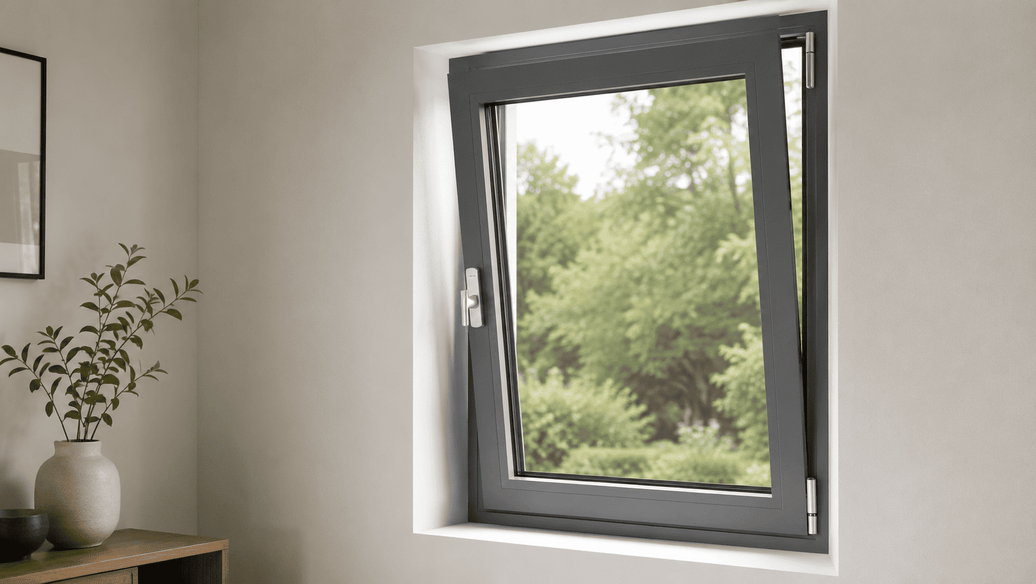
The White Tilt Turn Windows configuration combines thermal-break aluminum with double-pane glazing, Low-E coating, argon gas fill, a warm-edge spacer, and fully tempered glass. These features provide a concrete cold-climate reference, but the quoted size, operation, glass build-up, and performance evidence still need to be confirmed for the project rather than treated as a universal winter rating.
For projects comparing different tilt-turn configurations, the tilt-turn window options provide a more focused reference for reviewing frame construction, glazing packages, operating hardware, and available configurations. The final selection should still be confirmed at assembly level, including the glass package, spacer, seals, operating hardware, and wall interface.
A Cold-Climate Selection Rule
Thermally broken aluminum windows are a credible cold-climate direction when the frame break, glazing, edge details, and installation boundary are all defined. A proposal is incomplete when it names a thermal break but leaves the glass, spacer, wall junction, or performance evidence open. The most reliable decision ties each rating to the exact assembly and then checks the coldest surfaces against the room's moisture conditions.
Turn the Question Into a Reviewable Package
A project inquiry is easier to review when it includes climate location, wall build-up, rough opening, operating mode, glazing target, expected indoor humidity, and the performance documents being compared. Share those items through the Luvindow project contact page so the discussion stays tied to a defined opening rather than a broad claim about aluminum windows in winter.
FAQ
Q: Are thermally broken aluminum windows automatically suitable for the coldest climates?
A: No. The thermal break helps interrupt heat flow through the frame, but glazing, spacers, seals, installation, and indoor humidity determine the actual winter behavior.
Q: Is a glass U-factor enough to compare cold-climate windows?
A: No. Glass data does not describe the full frame, sash, spacer, hardware, or wall interface. A fair comparison identifies whether the value is glass-only or for the complete tested or calculated window.
Q: Can condensation still occur with a thermal-break window?
A: Yes. Condensation can form when a surface falls below the room air's dew point. High indoor humidity, a cold edge, an installation bridge, or a weak perimeter seal can all contribute.