A bathroom casement window can be a good choice when the sash can be reached from a dry position, privacy is controlled, and the opening is coordinated with ventilation and waterproofing. Steam, privacy, reach, water splash, frame drainage, and the space outside the wall all interact. A window that works well in a bedroom may be awkward beside a shower or impossible to clean from the outside. Mechanical extraction may still be needed, especially in rooms with limited cross-ventilation.
How Do Casement Windows Handle Bathroom Moisture?
Bathrooms often experience sharp humidity peaks during showers, followed by residual moisture if ventilation is insufficient. A fan connected to a suitable duct route can remove air while the room is occupied, while a casement sash offers another way to air the room in mild weather. The two systems address different parts of the problem. Cold rain, outdoor noise, or privacy requirements can make mechanical extraction the more dependable routine.
Ventilation needs an intentional operating pattern
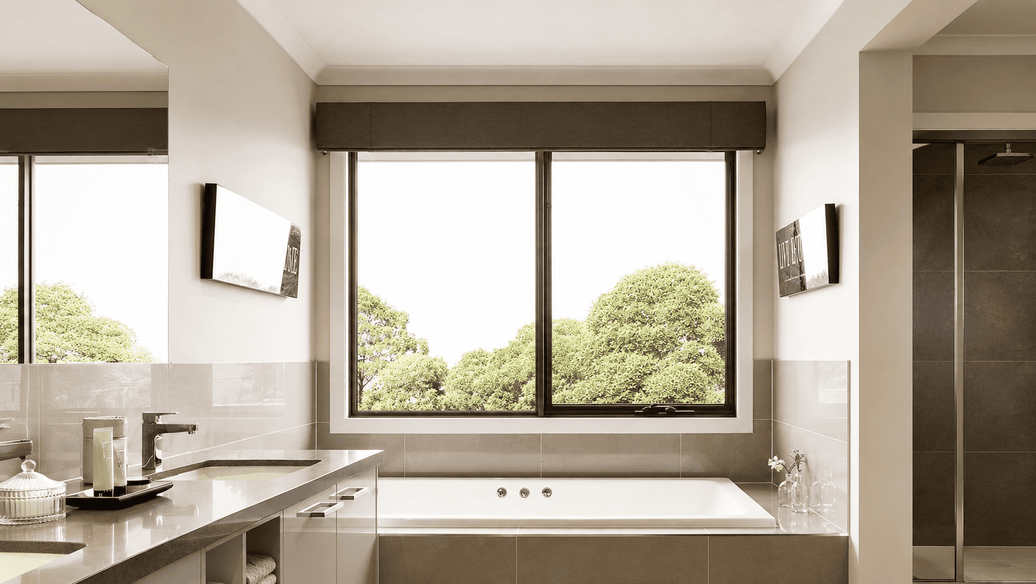
The opening height affects how useful the sash feels in daily use. A high casement may help release warm, damp air when a suitable pressure difference and replacement-air path exist, yet a handle above a vanity or shower can be difficult to reach. A lower opening can be easier to operate but more exposed to splash and condensation. In a small bathroom, the best location balances the fan grille, mirror, towel rail, and wall storage instead of simply maximizing glazed area.
Condensation is a room-and-window interaction
Condensation can form when humid bathroom air meets a cold glass edge, frame, or adjacent wall surface. Double-pane casement windows with a suitable Low-E option may raise interior surface temperature compared with a single lite, but glass selection alone cannot remove the risk. Indoor humidity, thermal bridges, fan use, and the continuity of insulation around the opening still matter. The useful review compares the proposed glazing build with the local climate and the wall assembly, rather than treating energy efficient casement windows as a universal guarantee.
What Privacy Glass Works for a Bathroom Casement Window?
Privacy is often the deciding factor for a casement bathroom window. Obscure, frosted, patterned, or other privacy glass can reduce sightlines while retaining daylight. Each option changes the appearance of the room and may affect cleaning, light transmission, and the way an exterior elevation reads. A sample viewed in the actual bathroom light is more reliable than a small screen image. If a clear view is wanted at the top of the wall, a fixed transom or high-level lite can provide daylight without placing an exposed operable sash beside the shower.
Place privacy where it solves the real view
A tall window does not automatically protect privacy. Neighbors may see into the upper part of a room from a raised deck or adjacent building. The sightline should be checked from likely positions outside, including stairs and balconies. A casement bathroom window can then be divided so the privacy glass covers the vulnerable zone while the opening portion stays within a comfortable reach. This is a layout decision, not a decorative afterthought.
Screens need their own maintenance plan
A screen can be useful when the bathroom window is opened in warm weather, but it adds a layer that collects dust and mineral residue. Removable screens are easier to wash and service, while fixed screens may support routine ventilation without storage. The choice depends on how the sash, frame, and cleaning tools meet. If the window is behind a shower wall or deep reveal, the screen should not block access to the operating hardware or prevent inspection of the drainage openings.
Check the Exterior Before Choosing Out-Swing Operation
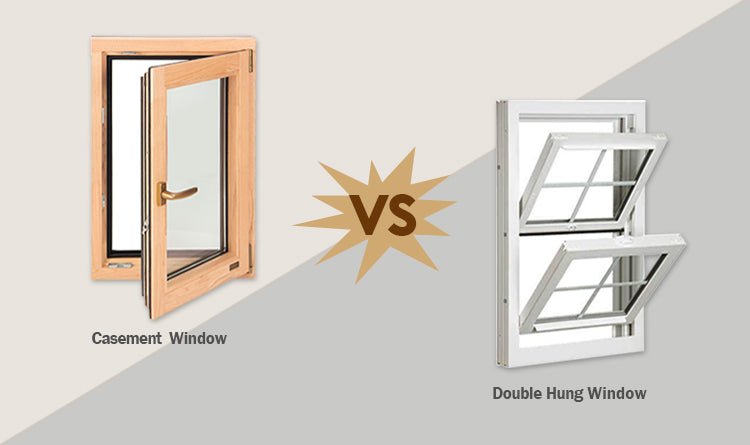
Casement sashes project beyond the wall when open. That movement must be mapped against a walkway, privacy screen, neighboring window, downspout, planting, balcony rail, and property line. In a tight side yard, an out-swing leaf may be unacceptable even when the bathroom plan looks clear. An in-swing arrangement keeps the exterior clear but consumes interior space and can meet a blind, mirror, or shower door. The operating direction should be chosen from a plan view that includes finished surfaces and fixtures.
Handle reach and splash zones
Handle reach becomes a safety and maintenance issue when the sash sits above wet flooring. A user should not have to lean across a bathtub or stand inside the shower to crack the window open. Keep the operating point accessible from a dry standing position where possible. Also check whether the open sash can contact a shower screen, curtain rod, or cabinet door. Small changes in sill height or handing may solve a conflict before it becomes a hardware problem.
Wall waterproofing continues around the frame
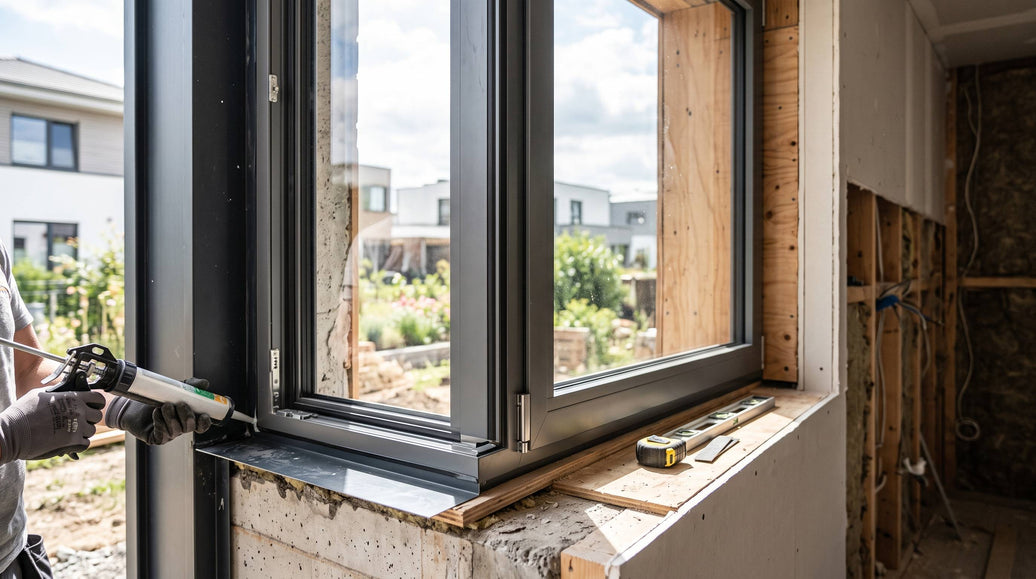
The window opening is part of the bathroom enclosure. Waterproofing behind tile, the sill pan or flashing approach, perimeter sealant, and the exterior drainage path must work as one detail. Shower splash can reach the interior trim even when the window itself is closed. A sloped sill and durable trim help direct incidental water away from vulnerable joints, but they do not replace a complete wall waterproofing design. The frame should remain accessible enough for future inspection and cleaning.

How Should Glass and Frame Be Specified Together?
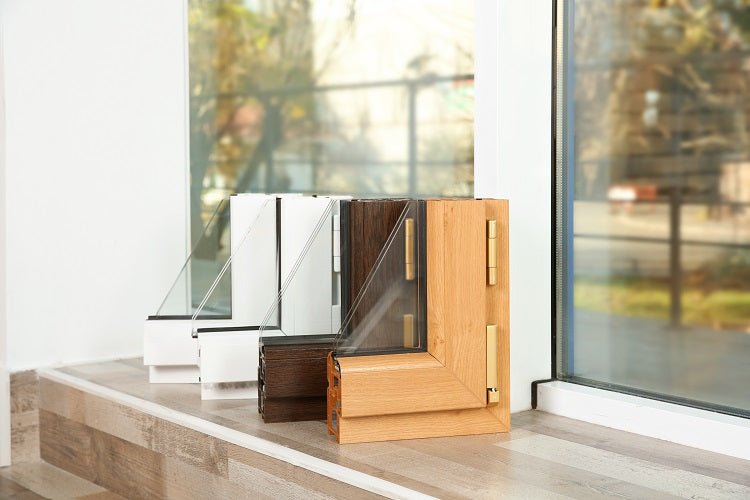
A bathroom casement window is exposed to repeated temperature and humidity changes. The frame, glazing pocket, seals, and drainage route should be reviewed together. Thermal-break aluminum can limit a direct metal heat path when the selected system includes that construction. Double-pane casement windows add another variable: cavity, coating, spacer, and thickness influence weight and interior comfort. These details also shape whether energy efficient casement windows perform as expected in the selected wall assembly. The specified assembly must fit the sash hardware and opening size; a generic glass description is not enough for a renovation schedule.
For a project-specific configuration discussion, LUVINDOW can review the opening, glazing, screen, and hardware requirements against the room layout.
How to Evaluate a Product Configuration
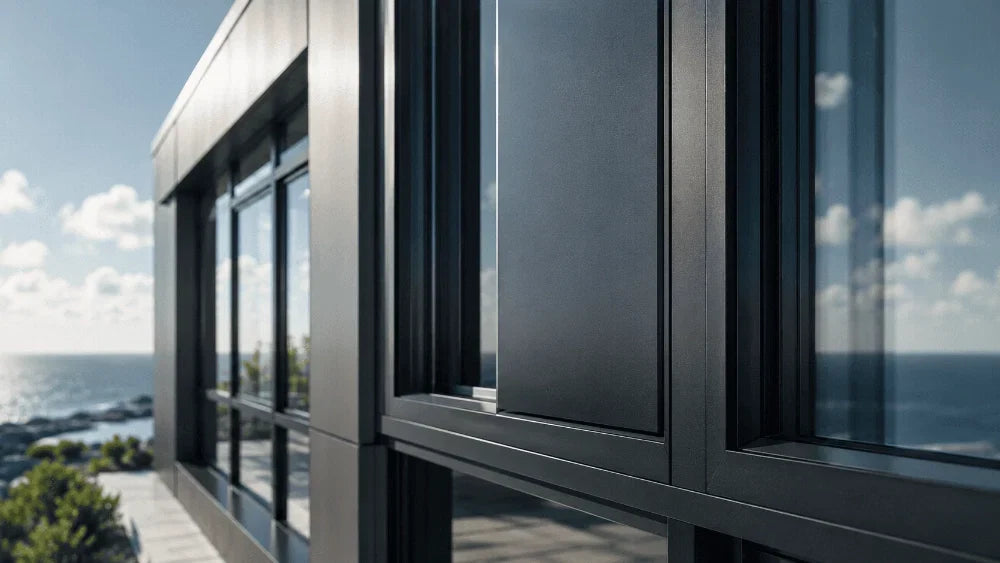
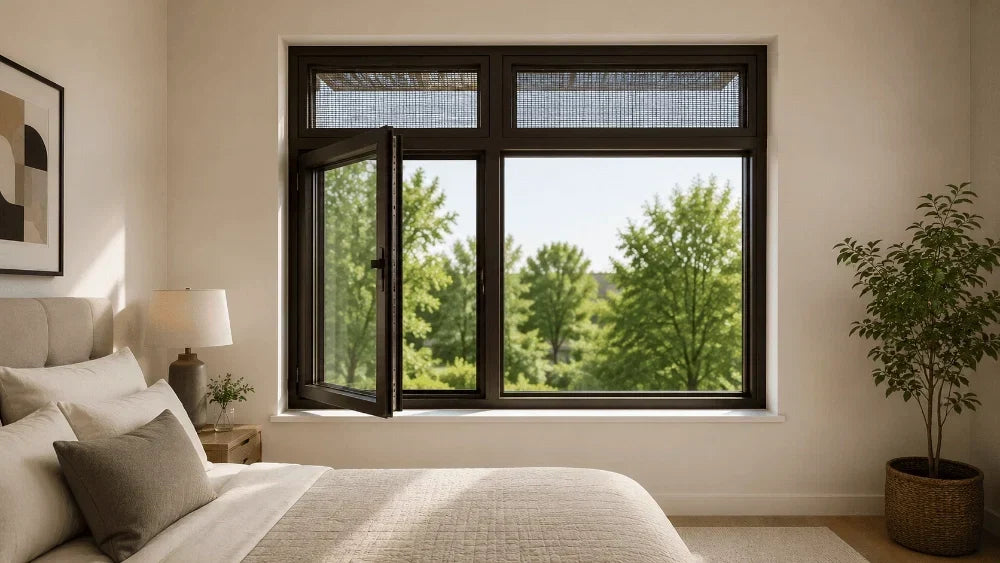
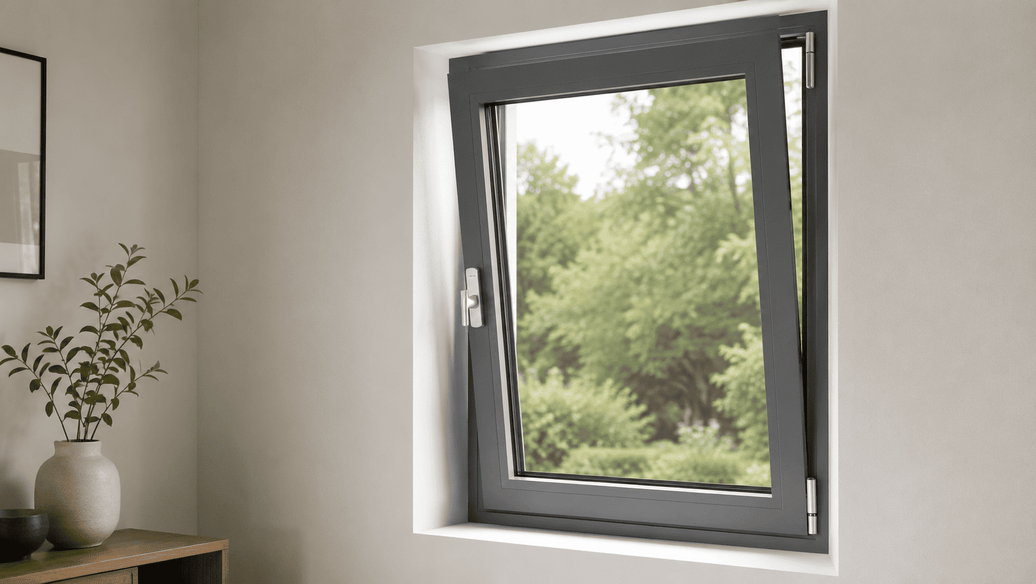
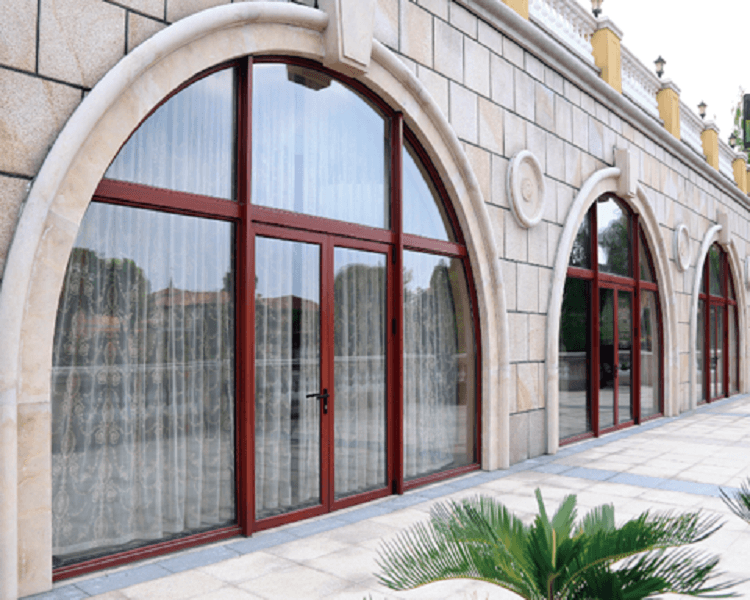
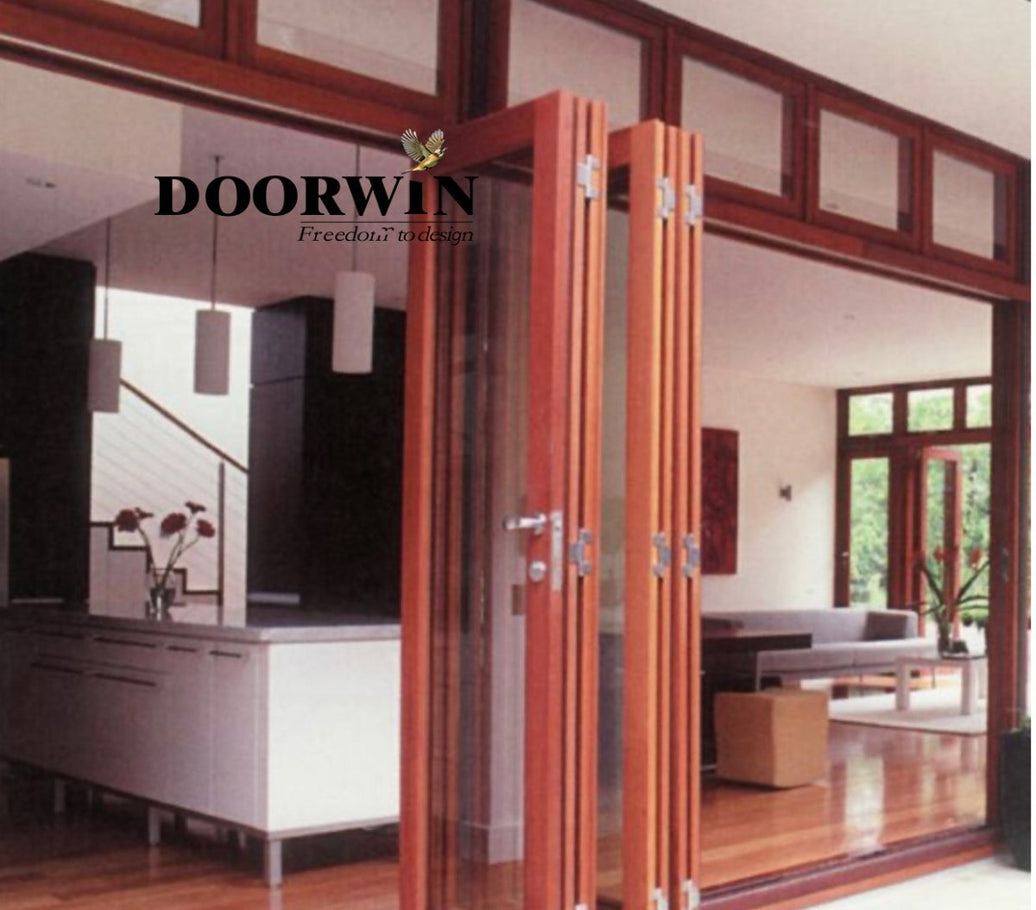
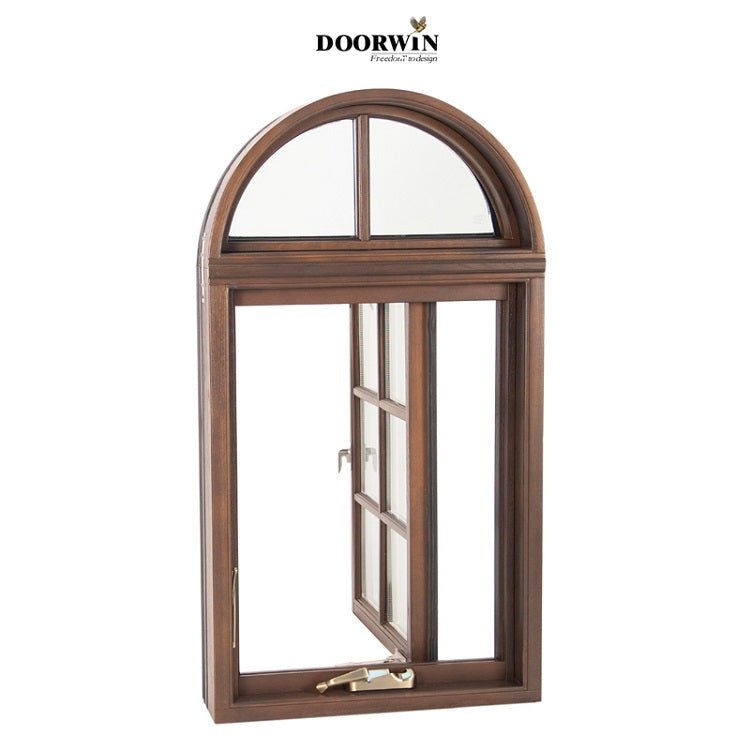
A product example can provide a useful starting point for comparing frame material and opening style. Double-glazed aluminum casement configuration. Privacy glass, screen type, handle position, and installation details still need to be checked against the actual bathroom layout.
Maintenance Is Part of the Bathroom Specification
Bathrooms expose hardware and finishes to soap residue, cleaning chemicals, and frequent wiping. Keep drainage openings clear, inspect the perimeter seal, and clean the glass with a method suitable for the selected coating. If the sash is difficult to reach, maintenance will be postponed and small issues may remain unnoticed. An opening beside a shower also deserves a practical splash-control detail, such as a screen position or a protected reveal. The aim is not to make the window maintenance-free, but to keep routine care realistic for the occupants.
A Sensible Bathroom Casement Window Brief
A concise brief should state the opening height, operating direction, privacy-glass requirement, glazing build, screen approach, handle location, fan coordination, and the wall waterproofing detail. It should also identify exterior obstructions and the cleaning method for the outside face. These notes give the supplier and installer the same problem to solve. They also make it easier to compare a bathroom casement window with a fixed lite, awning window, or another opening type when the room cannot provide enough clearance.
Conclusion and Fit Check
Casement windows are a strong bathroom option when the sash can be reached from a dry position, the outside swing is clear, privacy is handled by the glazing or layout, and the wall waterproofing detail is coordinated. They are less convincing when the opening sits directly in the shower spray, the exterior path is crowded, or the room has no practical way to use the hardware. In those cases, a high fixed lite plus mechanical ventilation may be the better answer.
FAQs
Q1: Can a casement window be installed beside a shower?
A1: It can, but the splash zone, sill, trim, waterproofing, and operating reach need specific review. A fixed or high-level section may be preferable if the open sash would interfere with the shower enclosure.
Q2: Is privacy glass enough for a bathroom window?
A2: Privacy glass reduces direct sightlines, but the frame height and views from neighboring buildings still matter. Check the actual sightlines and sample the glass in the room before approval.
Q3: Does a bathroom casement window replace an exhaust fan?
A3: No. A casement opening can support natural airing when weather and privacy allow, while a properly designed mechanical system provides controlled moisture removal when the room is occupied.
Project-Specific Next Step
For a bathroom renovation or new build, prepare a coordinated opening sketch showing fixtures, dry standing positions, sash movement, privacy zones, and wall moisture-control layers. Contact LUVINDOW’s project team with the opening and room conditions ready for review.