If a powder-coated aluminum window has turned white, dusty, patchy, or dull after installation, first identify what is on the frame now. The white surface may be loose chalk, salt or mineral deposits, construction residue, staining, dirt, or coating damage. Those conditions need different responses. A clean-water rinse, a dry dark-cloth wipe, and a small controlled cleaning test can narrow the cause before anyone uses abrasive cleaning or assumes the coating has failed. Finish standards and project records matter after the visible condition has been identified.
A White Surface Can Be Chalking, Deposits, or Coating Damage
Fading, gloss loss, chalking, deposits, and coating failure are different conditions. Fading changes color; gloss loss reduces reflectivity. Chalking is fine powder produced as an organic coating binder weathers. Deposits sit on top of the finish and can include salt, hard-water minerals, dust, pollution, mortar, sealant, or adhesive residue. More serious coating damage can involve peeling, blistering, exposed aluminum, corrosion staining, or loss of adhesion. A white appearance alone does not identify the cause.
|
Visible condition |
Possible cause |
First check |
|
Color shift |
UV exposure or insufficient color retention |
Coating specification and elevation exposure |
|
Gloss loss |
Weathering or abrasive cleaning |
Gloss level, cleaning record and finish class |
|
Powdery residue |
Chalking or surface deposit |
Dry dark-cloth wipe; white transfer suggests chalking |
|
White or gray film |
Salt, hard-water minerals, mortar residue, pollution or staining |
Rinse with clean water, dry, then test a small area with approved mild cleaning |
|
Bubbling or peeling |
Pretreatment, coating damage or trapped moisture |
Adhesion and damaged areas |
|
Uneven replacement color |
Batch, gloss or aging difference |
Approved sample and project finish record |
Start with a simple field check. Note whether the whitening is uniform or localized and compare sheltered and exposed areas. Then use clean water and a dry-cloth transfer check before stronger cleaning. This does not replace formal coating evaluation, but it can separate likely chalking from loose dirt or a persistent film and guide the next step.
How Can You Check a White or Powdery Finish on Site?
Start With Clean Water, Then Use a Dark-Cloth Wipe
Choose a dry, inconspicuous area and photograph it before cleaning. Rinse part of the frame with clean water and let it dry. If loose dust or salt disappears, a removable deposit is more likely. On a nearby dry section, rub gently with a clean dark cloth. Fine white powder transferred to the cloth makes chalking more likely. ASTM D4214-23 uses the same basic principle of transferring chalk to fabric or a fingertip when evaluating exterior paint films. The cloth check is a field screening method, not a formal ASTM rating.
A White Film That Stays Put Is Not Automatically Chalking
If clean water does not remove the film and a dry dark cloth does not pick up loose powder, the surface may have hard-water minerals, salt, mortar residue, sealant contamination, staining, or another finish change. Test a small hidden area with a mild method allowed by the coating supplier and architectural-aluminum maintenance guidance. If the surface shows blistering, peeling, exposed metal, corrosion, or soft coating, stop aggressive cleaning and move to a coating or installer review.
What Can Cause Fading or Chalking After Installation?
After the field check, consider why the change developed. UV exposure, resin and pigment selection, pretreatment, film condition, curing, salt, pollution, cleaning history, and building orientation can all affect appearance. A sunny elevation may weather differently from a shaded courtyard, while a coastal frame can collect more salt than an inland one. Coating specifications, sample records, maintenance history, and exposure help distinguish expected weathering from contamination or a condition that needs closer investigation.
AAMA 2603, 2604, and 2605 Help Set Weathering Expectations
Current FGIA finishes standards distinguish AAMA 2603-26, AAMA 2604-26, and AAMA 2605-26 as progressively more demanding specifications for factory-applied organic coatings on architectural aluminum. Buyers need to confirm which specification applies to the quoted finish instead of relying only on a color name. A product image, color label, or black frame description does not prove an AAMA performance level.
Cleaning and Maintenance Can Change What You See
AAMA 609 & 610-25 Cleaning and Maintenance Guide for Architecturally Finished Aluminum addresses methods, equipment, and materials used for post-construction cleaning and ongoing maintenance of architectural aluminum finishes. It does not turn cleaning into one universal calendar. Frequency depends on coastal exposure, salt deposition, industrial pollution, traffic film, rain washing, building orientation, coating supplier instructions, and the owner maintenance plan.
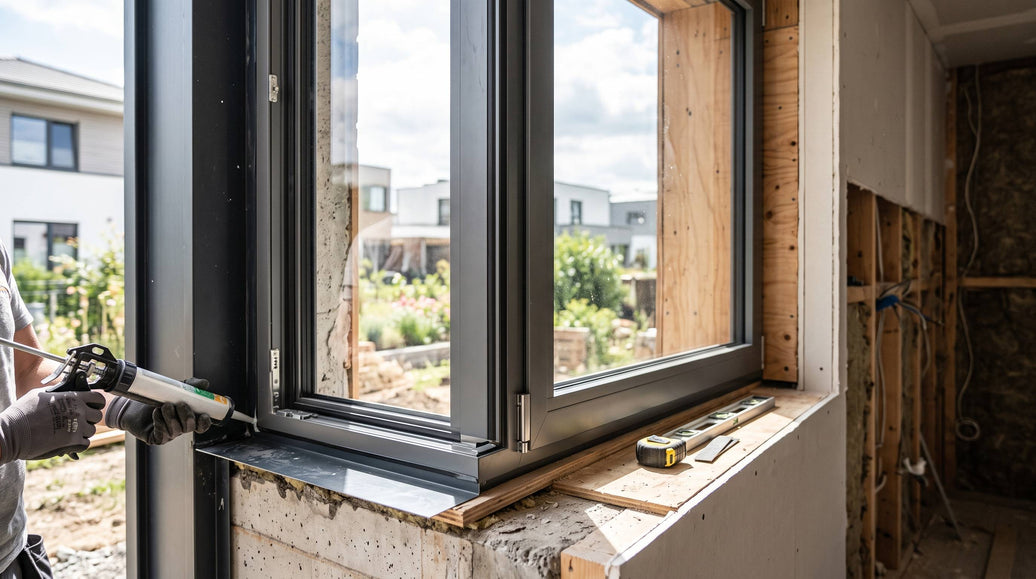
Useful cleaning language stays modest: mild detergent, a soft cloth or non-abrasive brush, clean rinse water, and prompt removal of construction residue. Abrasive pads, strong solvents, aggressive alkaline cleaners, uncontrolled pressure washing, and metal scrapers can create new surface damage. Cleaning methods should follow the coating supplier's instructions and the applicable architectural aluminum maintenance guidance.
Powder Coating and Anodizing Age Differently
AAMA 611-26 applies to architectural-quality anodized aluminum finishes. Anodized aluminum does not weather through the same organic-binder chalking mechanism as powder coating, although staining, color variation, surface damage, or other appearance changes can still occur. The decision between powder coating and anodizing is not an absolute ranking. It depends on appearance target, exposure, available colors, maintenance expectations, and the project specification.
Why Can One Elevation or Replacement Window Look Different?
Compare Exposure, Age, and Batch Before Calling It a Failure
A frame that looks whiter than the next one may have received more sun, salt, runoff, cleaning, or abrasion. A replacement window may also be newer than the surrounding elevation and therefore closer to the original color and gloss. Compare the affected frame with nearby units of similar age and orientation, not only with an indoor sample. Useful records include the color code, gloss level, texture, approved sample, sample date, batch or supplier record, installation date, and elevation orientation. These details help separate aging, batch variation, contamination, and a changed finish specification from an actual adhesion or corrosion problem.

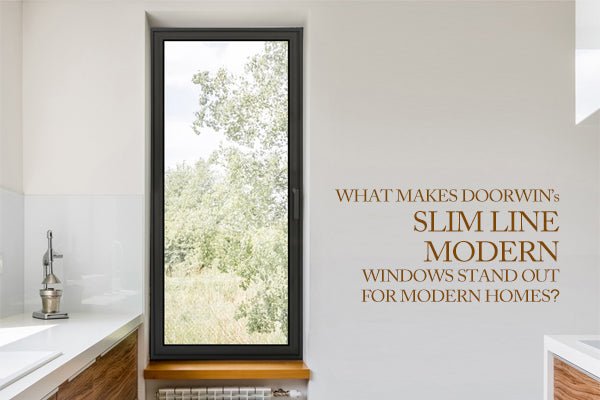
Dark Finishes Make White Residue and Gloss Change Easier to See
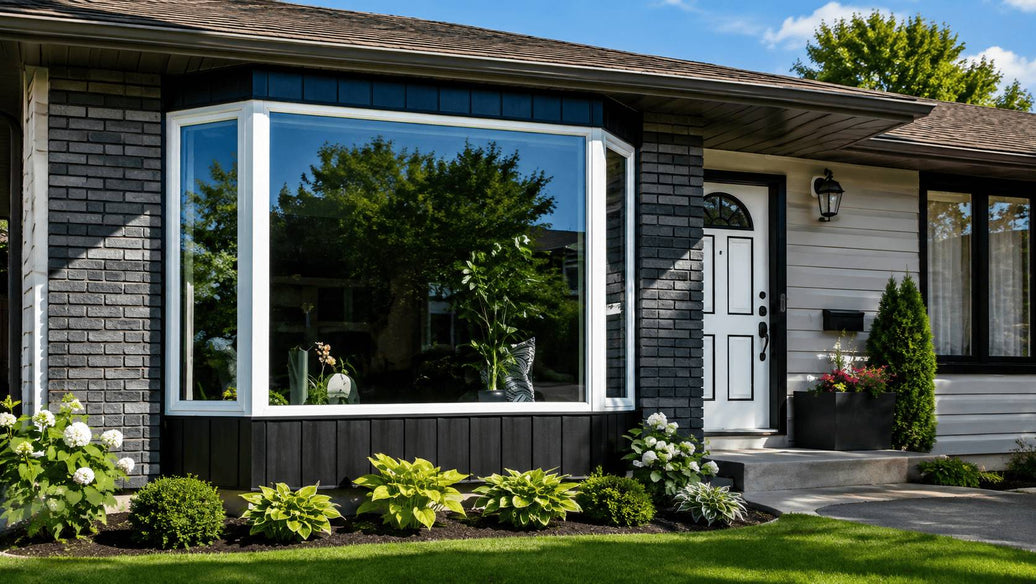
Black and other dark frames can make pale dust, salt film, dried mineral residue, fine scratches, and gloss change visually obvious. A visible white cast therefore should be diagnosed before it is labeled as coating failure. If the dark-cloth wipe picks up powder across a broad exposed area, chalking is more likely. If the residue concentrates below joints, sprinklers, masonry, or runoff paths, a deposit or contamination source deserves attention. If the finish is peeling, blistering, corroding, or exposing aluminum, the problem has moved beyond ordinary surface cleaning and should be documented for a technical review.
How Luvindow Can Support a Finish Review
Once the appearance target, exposure condition, coating standard, color code, gloss level, and maintenance expectations are defined, Luvindow can review suitable aluminum window configurations against the finish schedule.
For projects considering a dark architectural finish, the black powder-coated aluminum window provides a relevant starting point for discussing frame color, glazing, and overall appearance. The approved finish specification still needs to define the coating standard, color code, gloss level, exposure conditions, sample requirements, and maintenance guidance.
When the schedule includes several frame types or facade conditions, the aluminum windows collection provides a broader frame-system reference, while the final coating standard, approved sample, and exposure requirements should be confirmed for the quoted product.
What Should You Do After the Site Check?
Start by recording the affected elevation, orientation, approximate installation age, and whether the surface is exposed to sprinklers, salt air, masonry runoff, traffic pollution, or aggressive cleaning. Photograph both the affected area and an adjacent normal area. Note what happens after a clean-water rinse and after a gentle dark-cloth wipe. If a removable deposit is likely, use only an approved mild cleaning method on a small test area first. If powder transfer suggests chalking, record how widespread it is rather than scrubbing the entire elevation. If peeling, blistering, corrosion, exposed metal, or persistent staining is present, preserve the evidence and involve the installer, coating applicator, or supplier before more cleaning changes the surface.
Project records become useful at this stage. The coating standard, color code, gloss, approved sample, batch information, maintenance instructions, and any prior repair history can help compare the installed condition with the original finish requirement. Pretreatment or application problems can produce bubbling, peeling, staining, or corrosion marks that are different from normal chalking. For future replacement units or new orders, the same records also make it easier to match the intended finish and choose a coating specification suited to the site exposure, but that prevention step should follow the diagnosis of the window already on the wall.
For a project-specific finish review, share the aluminum window schedule, color target, gloss level, elevation exposure, coastal or pollution conditions, sample requirements, and maintenance expectations through Luvindow project support.
FAQ
Q: Why has my powder-coated aluminum window turned white?
A: The white appearance can come from chalking, salt or mineral deposits, construction residue, dirt, staining, or coating damage. Start with a clean-water rinse, let the surface dry, and gently wipe a separate dry area with a clean dark cloth. Fine white powder transferred to the cloth makes chalking more likely. A film that remains without powder transfer may be a deposit or stain and needs a small controlled cleaning test before a stronger conclusion is made.
Q: How can I tell chalking from a surface deposit?
A: Chalking usually produces loose powder that can transfer to a clean fabric or fingertip. A surface deposit may rinse away, soften with an approved mild cleaner, or remain as a film without loose powder transfer. Neither result should be treated as absolute proof. If the frame also shows peeling, blistering, exposed aluminum, or corrosion, stop abrasive cleaning and have the coating condition reviewed.
Q: Can chalking be cleaned off, or does the coating need repair?
A: Loose chalk can often be reduced by appropriate cleaning, but cleaning does not reverse the weathering process that created it. Mild cleaning should follow the coating supplier's instructions and applicable architectural-aluminum maintenance guidance. If the finish has lost adhesion, blistered, peeled, exposed the substrate, or developed corrosion, a technical assessment is more appropriate than repeated cleaning and may lead to repair, refinishing, or replacement depending on the condition.