An aluminum windows guide can assist homeowners, builders, and designers as they review more than frame color. A sound choice depends on several important factors. These factors include the thermal break, glass package, spacer, hardware, drainage detail, installation method, and replacement condition. Aluminum frames suit modern homes. They support slim sightlines along with stable profiles. They also allow larger glass areas. Yet the full window system determines comfort and performance in daily use.
This aluminum windows guide focuses on practical selection checks for new builds, remodels, and replacement projects. A living room may need fixed glazing with operable side units. At the same time, a bedroom may require ventilation together with stronger sealing. For this reason, the window type should match the room, the climate, and the wall condition.
Are Modern Aluminum Frames a Good Choice for Homes?
Modern aluminum products are no longer restricted to storefronts or office buildings. Instead they can suit private homes. They can also suit duplexes, apartments, villas, and mixed-use residential projects. This is possible when the system is specified correctly.
Slim profiles can support modern design
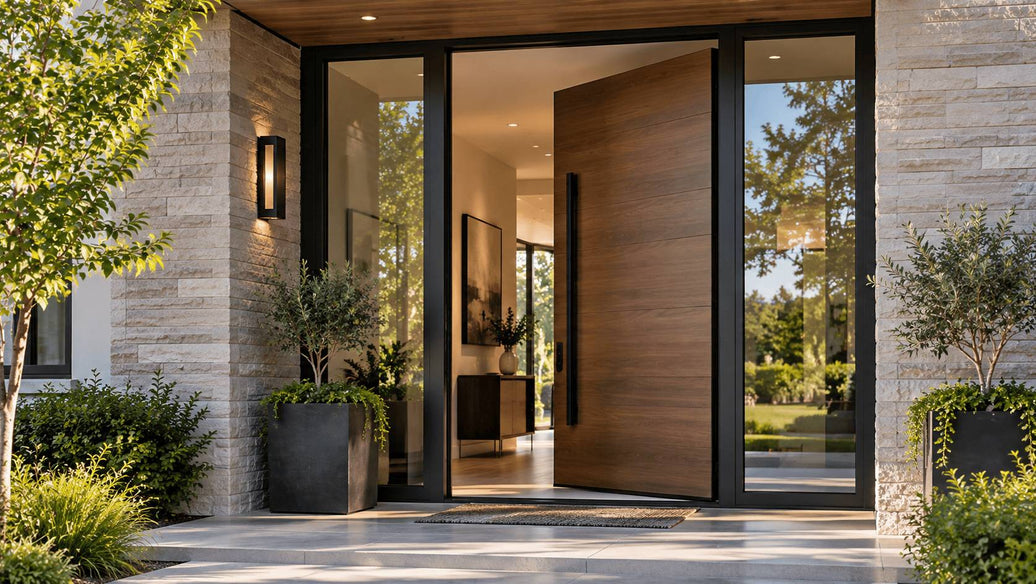
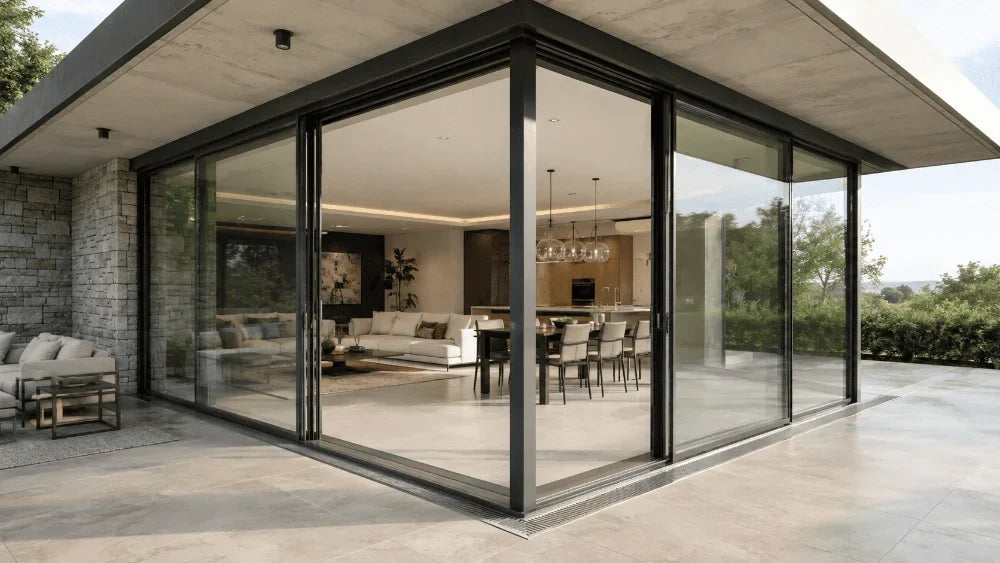
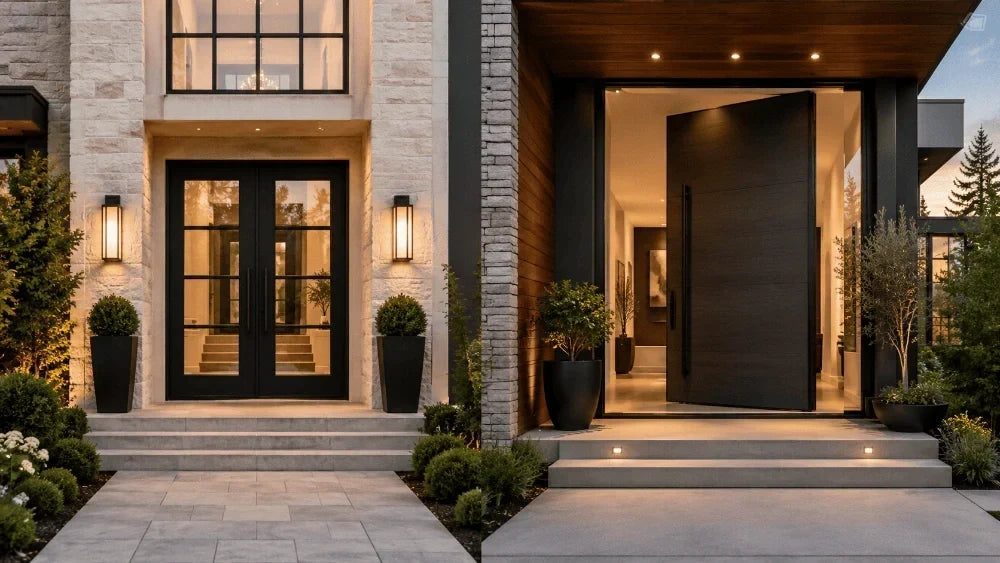
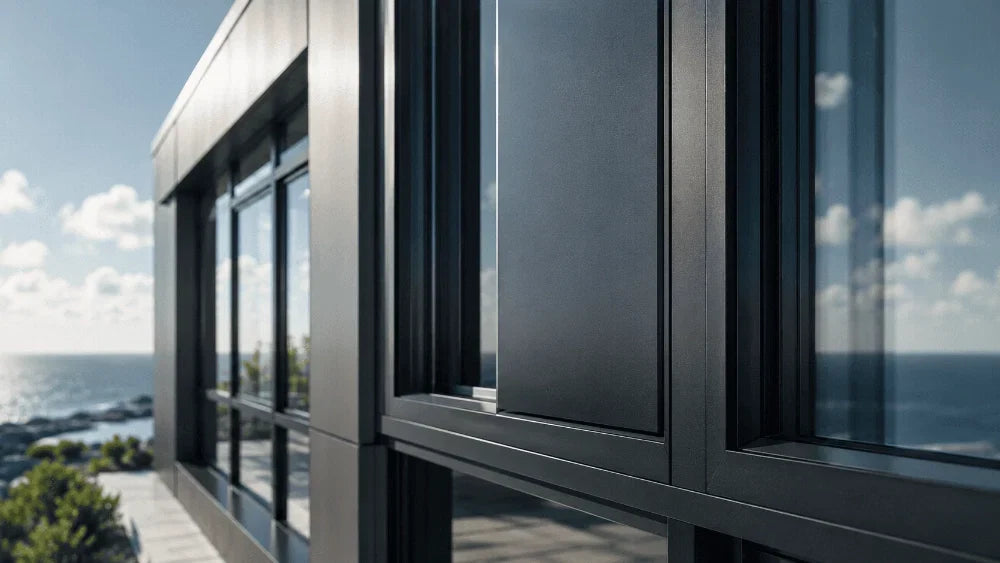
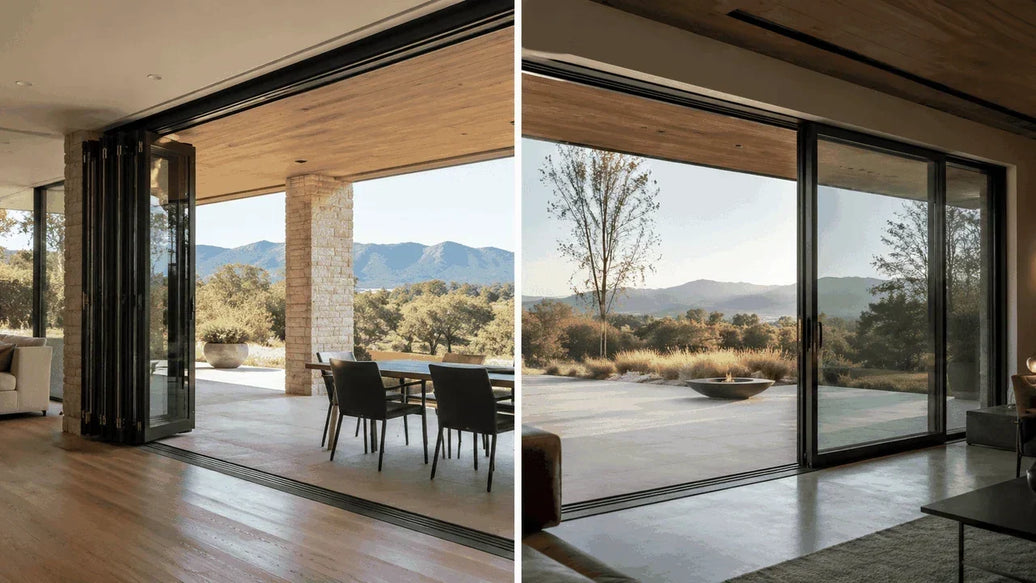
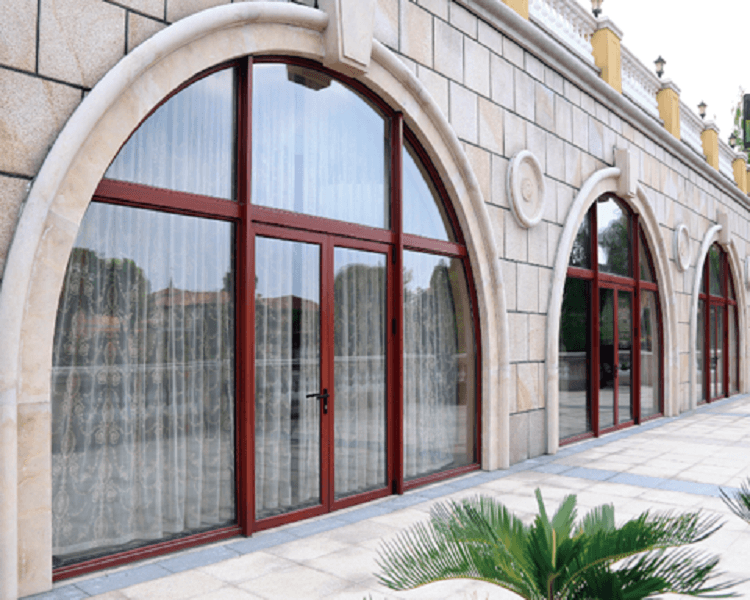
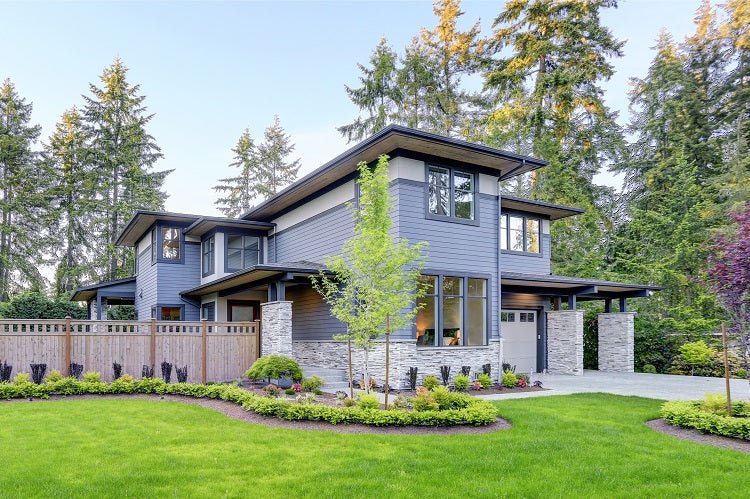
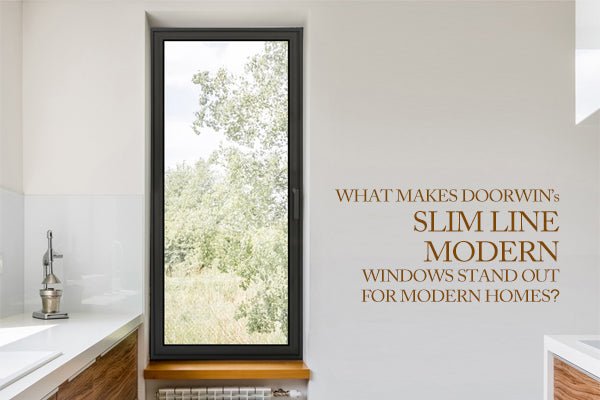
A carefully designed aluminum window frame creates clean architectural lines. It does so without a heavy visual border. This explains why many designers choose aluminum window frames for modern facades. They select them especially when a project needs larger glass areas. Dark exterior lines may also be required. The same holds for a consistent window schedule across several rooms. Strength remains important. At the same time, visible width, finish durability, and opening function influence the final result.
Heat transfer must be reviewed early
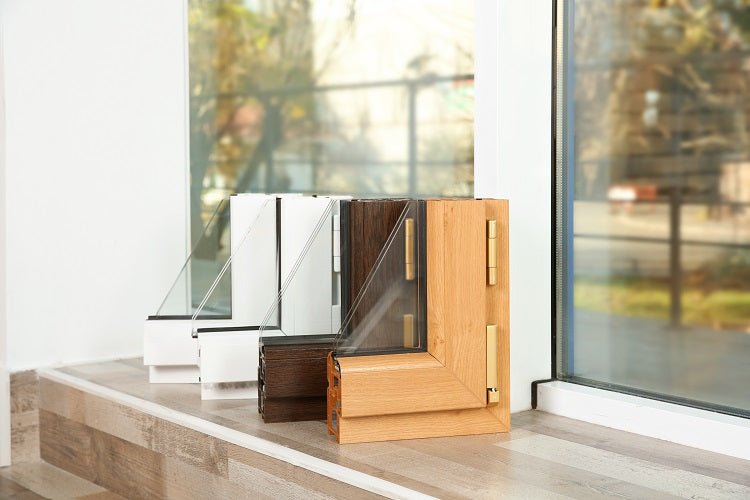
Aluminum conducts heat more readily than some other frame materials. For this reason buyers should ask whether the unit includes a thermal break. Thermal break aluminum windows use an insulating barrier between interior and exterior metal sections. This barrier helps reduce direct heat movement through the frame. The glass, spacer, seals, and installation still matter. Yet the thermal break is one of the first details to review.
The full system matters more than one component
A window includes the sash, glass, spacer, weatherstripping, drainage design, hardware, screen, coating, and installation detail. Residential aluminum windows perform best when these parts are selected together. A strong frame with poor glass will not solve comfort concerns. Good glass with weak sealing can also disappoint after installation.
Which Frame Type Should You Consider for Each Room?
The right frame type depends on how the room is used. Choosing one style for the entire home may look simple on paper, but it can create airflow, cleaning, or privacy issues later.
Casement windows for ventilation and sealing
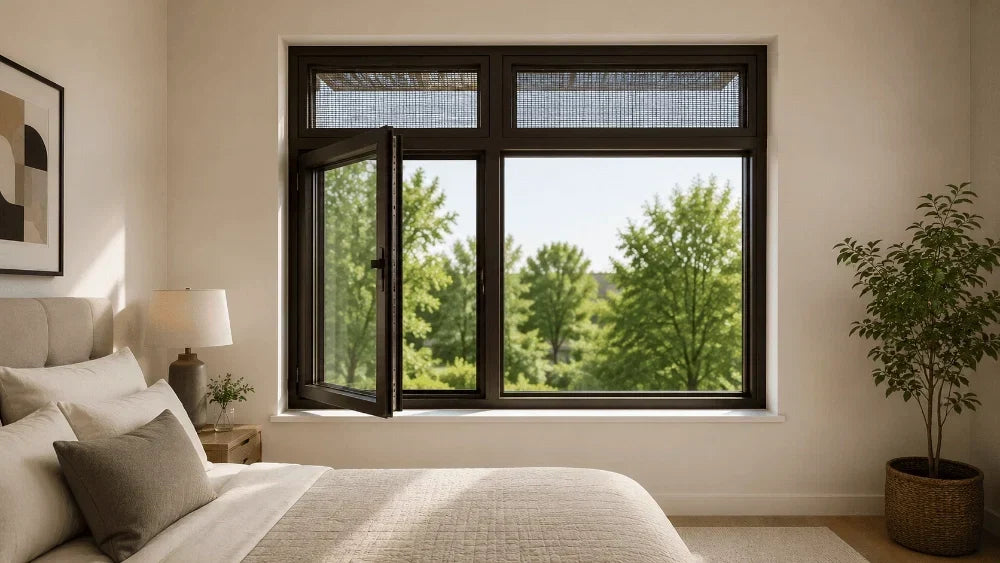
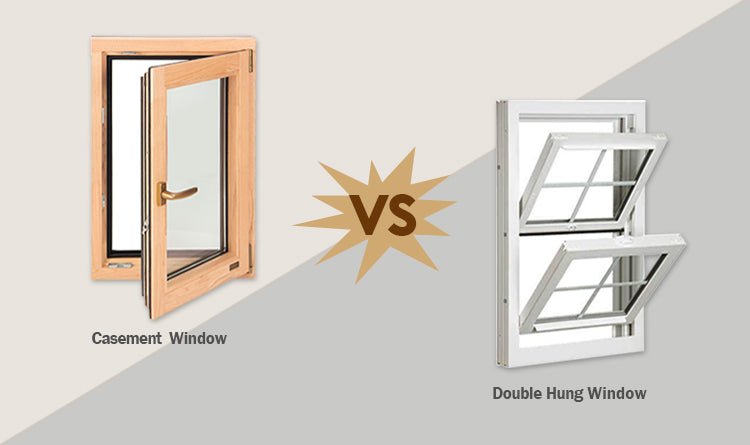
Casement windows work well in bedrooms, kitchens, studies, and living spaces where the sash needs to open fully. When closed, the sash can press against the seal, which may help limit unwanted air movement. For projects needing a modern black exterior and an operable side-hinged unit, Black Aluminum Casement Windows are a relevant example. The AL+ 70 casement design uses T66 aluminum, Low-E glass details, warm-edge spacer technology, and a thermally broken profile system.

Fixed windows for views and daylight
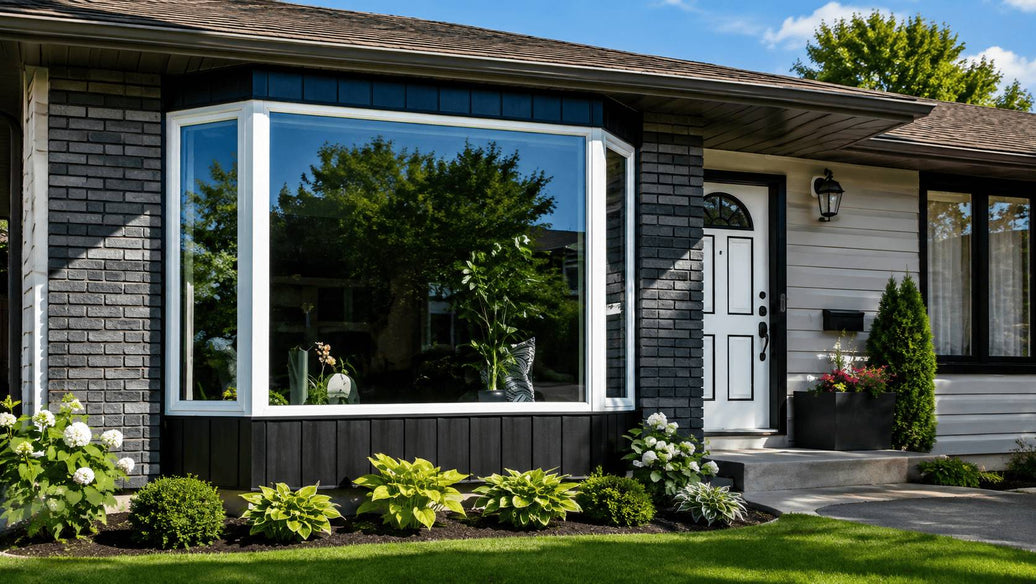
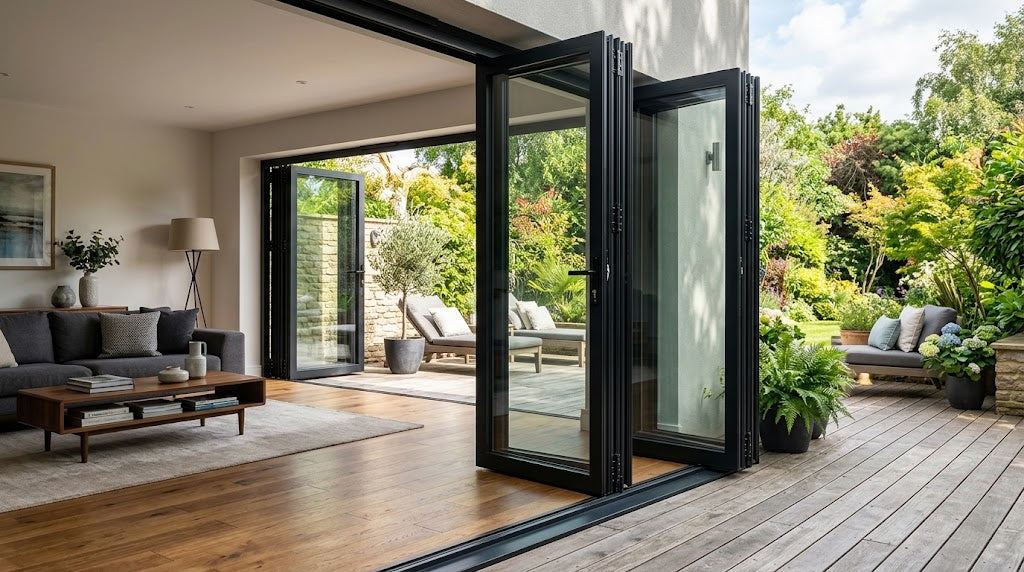
Fixed windows are useful where the goal is view, daylight, and a clean wall composition. They do not provide ventilation, so they are often paired with casement, awning, or tilt-style units. In a living room, stairwell, or high wall, a fixed center pane with operable side units can balance openness and airflow.
Awning and tilt-style windows for controlled airflow
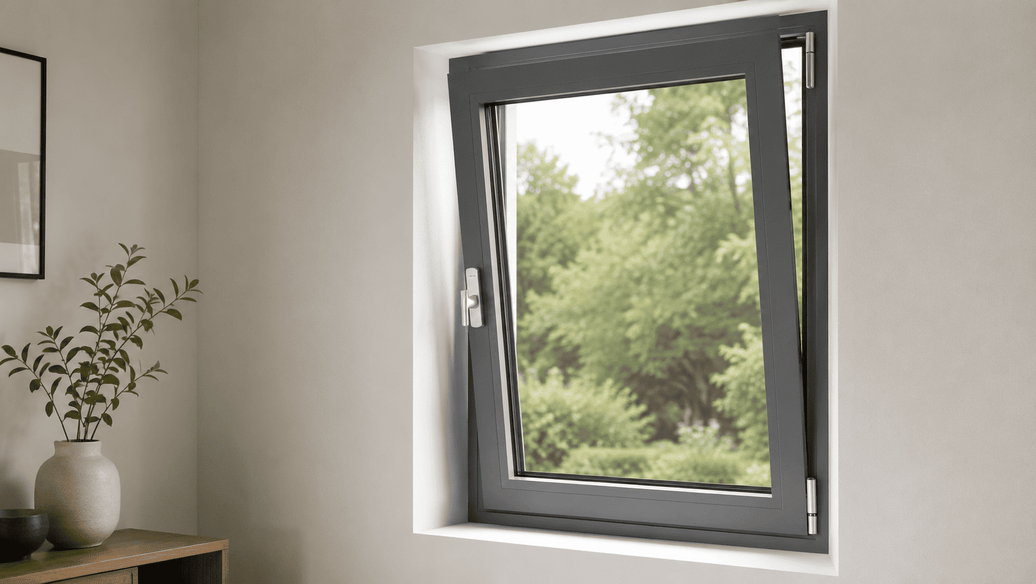
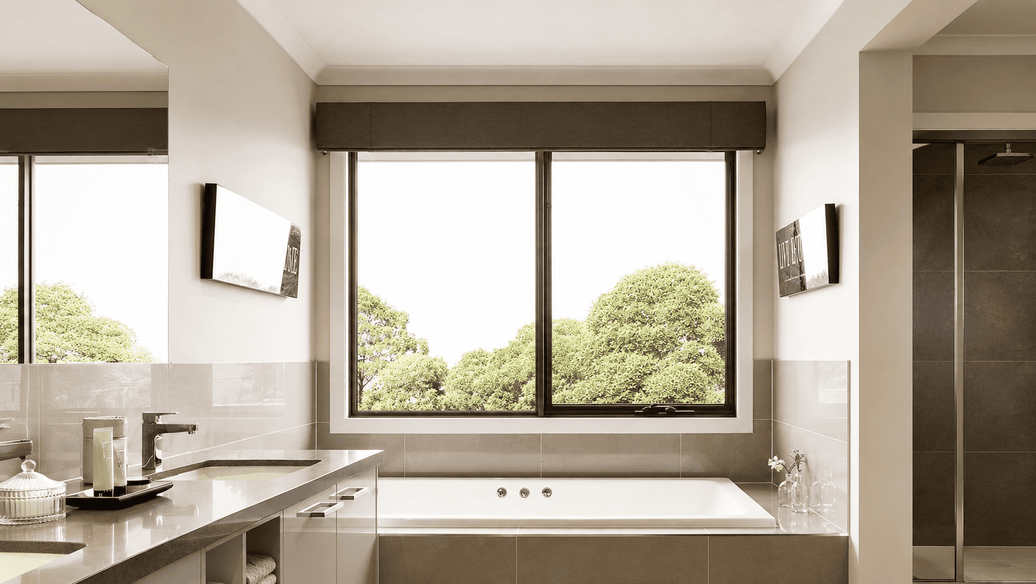
Bathrooms, laundry rooms, and compact rooms may need windows that vent without taking too much interior space. Awning windows can work well in higher wall positions. Tilt-style windows can support secure ventilation in rooms where full opening is not always needed. The decision should follow privacy, wall layout, curtain space, and local weather exposure.
What Makes Thermal Breaks Important?
A thermal break is not a decorative feature. It is a structural and performance detail that helps separate the outdoor metal surface from the indoor metal surface.
PA66 barriers reduce direct heat movement
In many advanced systems, a polyamide barrier is positioned between aluminum sections. This barrier serves to slow the transfer of heat through the frame and sash. Thermal break aluminum windows are particularly useful in climates with hot summers, cold winters, or wide day-night temperature swings. They can also help minimize cold interior frame surfaces. These surfaces may lead to condensation risk when humidity and temperature conditions remain unfavorable.
Climate should guide the specification
A home in a warm and sunny region may prioritize solar control. It often relies on Low-E glass together with exterior shading. A home in a cold region may focus on heat retention. It pays close attention to edge-of-glass performance and tighter sealing. A coastal site may need suitable coating as well. It requires corrosion-aware detailing and careful installation. The aluminum window frame should be specified with these conditions in mind. It should not be selected only by color or price.
Ask whether the sash is also improved
Some buyers ask only about the main frame, but the sash and glass edge also influence performance. The project team should ask whether the thermally improved design extends across the frame and sash, whether the spacer is warm-edge, and whether the hardware supports a stable closing action. Small details can affect comfort after the home is occupied.
How Should Homeowners Compare Glass Packages?
Glass takes up most of the window area, so it has a direct effect on heat, daylight, glare, safety, and sound. The right package depends on room direction, climate, code needs, and budget.
Low-E glass helps manage heat and sunlight
Low-E coating is designed to help manage radiant heat transfer through glass. It can support cooler interiors in summer and warmer interiors in winter when paired with suitable insulated glazing. For residential aluminum windows, Low-E glass should be reviewed alongside the frame system rather than as a separate upgrade.
Warm-edge spacers affect glass edge performance
The spacer between glass panes can influence the edge area of an insulated glass unit. Warm-edge spacer technology helps reduce thermal bridging at the glass edge. This matters because the edge can be a weak point for temperature transfer and condensation risk. Ask for the spacer type, glass thickness, coating option, and whether the unit is designed for the local climate.
Double-pane and triple-pane choices depend on the project
Double-pane Low-E glass may be enough for many residential projects. Triple-pane glass can support higher performance goals, but it may increase weight, cost, and hardware requirements. The decision should be based on climate, room comfort, noise exposure, frame capacity, and project budget. It should not be treated as a simple “more glass is always better” choice.
What Replacement Checks Should Be Done Before Ordering?
Replacement projects require different checks from new construction. The existing wall condition can decide whether the project is simple or complex.
Check whether the old frame can stay
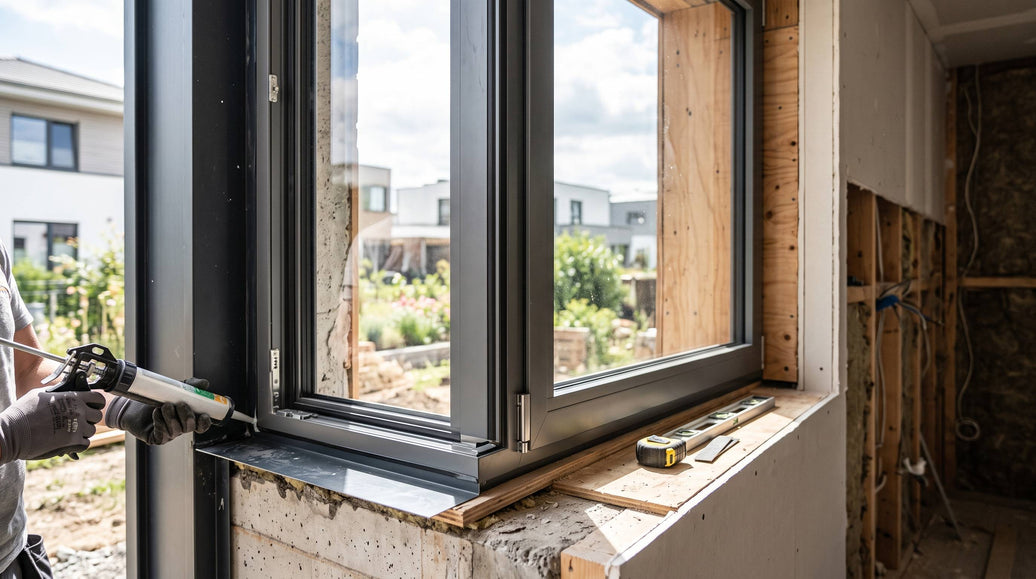
Some projects use insert replacement, while others require full-frame removal. If the old frame is damaged, warped, leaking, or poorly flashed, keeping it may create future problems. Builders should inspect for rot, corrosion, water staining, loose trim, and gaps before selecting the replacement method.
Measure the opening and clearance
Measure the opening at several points and check whether the wall is square. Also review interior clearance for sash operation, screens, curtains, blinds, furniture, and trim. A replacement window should not only fit the hole; it should work with the finished room. For side-hinged units, handle location and swing direction can affect daily use.
Match finish and sightline with the house
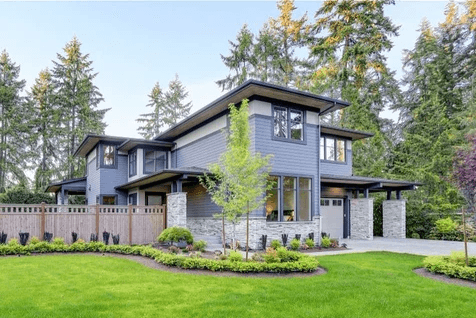
Black frames can create a strong modern edge, but they should fit the whole exterior palette. Compare the window color with doors, roof trim, railings, exterior cladding, and interior fixtures. If the home mixes fixed and operable units, align sightlines so the facade does not look random.
How Can Buyers Avoid Overbuying?
A better window package is not always the most expensive package. It is the one that fits the project conditions without adding features that the home does not need.
Choose performance by room and climate
A bedroom facing a noisy street may need stronger acoustic attention than a hallway window. A south-facing living room may need solar control more than a shaded north-facing room. A bathroom may need privacy glass and ventilation. A kitchen may need easier operation. The specification should divide needs by room instead of applying one rule everywhere.

Use a coordinated window schedule
For whole-home projects, a coordinated schedule helps reduce mistakes. It should list opening type, size, glass package, finish, screen, hardware, and room location. Labeled windows can also make delivery and installation easier on site. For broader system comparison, our window systems page can help buyers review different styles before final selection.
Review support and warranty before final approval
Product selection should include service and after-sales review. On the Luvindow website, buyers can compare window types, project resources, and support information before submitting details.
What Information Should You Send for a Better Recommendation?
Clear project information helps the technical team recommend the right frame, glass, and opening type. Send window sizes, photos of existing openings, room names, wall depth, exterior finish, climate concerns, preferred color, screen needs, and replacement method. For new construction, include drawings and window schedules when available.
Compare related window topics before final selection
For a more focused comparison, it may also help to read our blog on replacement casement windows with Low-E glass, especially if your project involves frame fit, daily operation, and comfort checks.
Share clear project details
This guide can help narrow the first decision, but project conditions still decide the final specification. If you are comparing frame type, glass, and replacement options, send your sizes, room types, and performance concerns through our project consultation page. We can help review whether casement, fixed, awning, tilt-style, or another system is more suitable for your home.
FAQ
Q: Are aluminum window systems suitable for residential homes?A: Yes. They work well in residential homes. The frame must include a thermal break design. It also needs suitable glazing along with durable finishes. Reliable hardware matters too. Proper installation details complete the requirements.
Q: What are thermally broken aluminum window systems?A: They include an insulating barrier. This barrier sits between interior and exterior aluminum sections. The barrier reduces heat transfer through the frame and sash.
Q: Are black aluminum casement windows energy efficient?A: Black aluminum casement windows can support energy-focused projects. They perform effectively when paired with Low-E insulated glass. Warm-edge spacers form an important part of the system. Proper sealing adds further benefit. A thermally broken frame completes the combination.