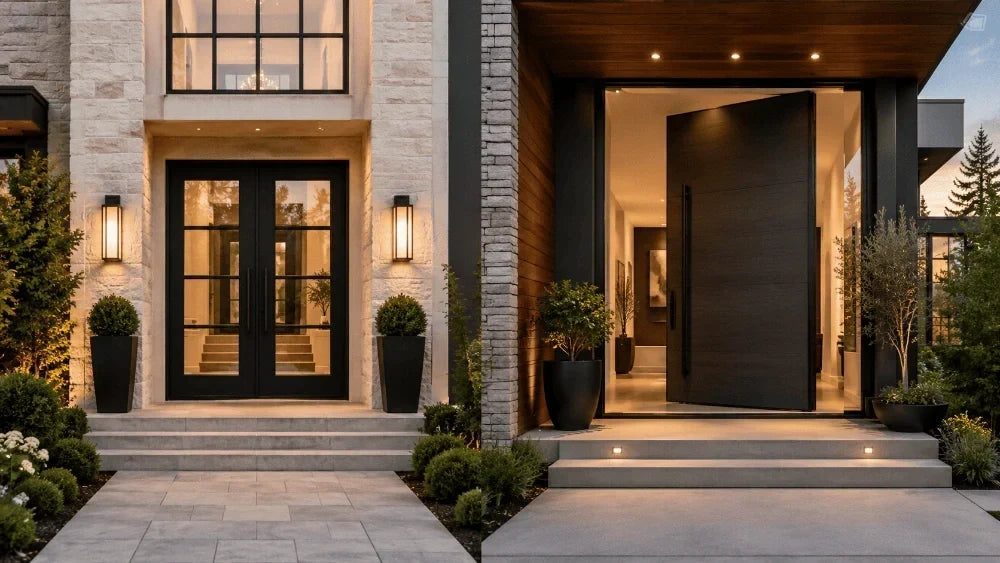
A entry door with glass can change the way a home feels before anyone enters it. It brings light into the entry area, softens a heavy façade, and gives the exterior a more open appearance. Yet the same feature also raises practical concerns. Homeowners may worry about street visibility. Builders may focus on security and installation. Designers may need the door to match the proportions of the whole elevation.
This is why entry doors with glass should not be selected only by style. A suitable glass entry door needs to manage daylight, privacy, safety, weather sealing, and long-term operation at the same time. The better question is not whether glass belongs in an entry door, but how the glass should be placed, treated, framed, and supported.
Why Glass Works Well in Modern Entry Doors
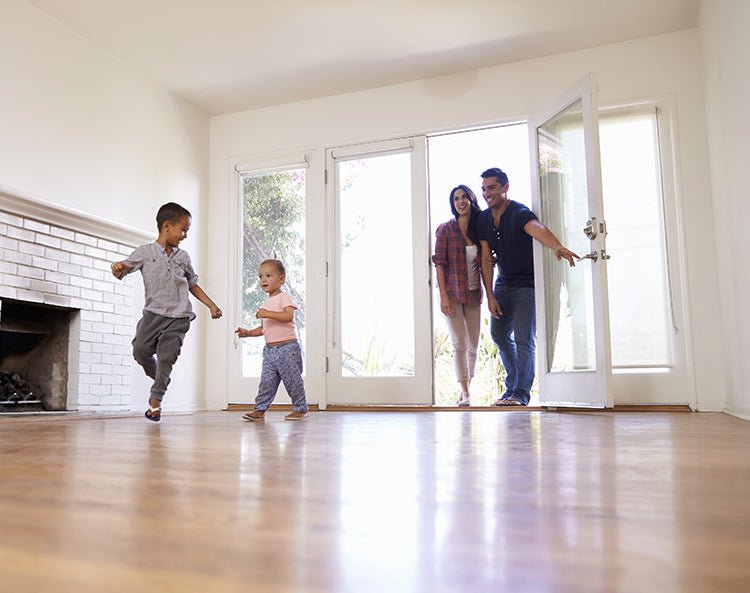
Glass is widely used in modern entry designs because many residential entrances need more light without losing architectural control. A solid door may provide privacy, but it can also make a foyer, corridor, or shaded front entrance feel closed. Front entry doors with glass offer a practical way to improve brightness while keeping the main doorway functional.
Better Daylight Without Changing the Structure
A glass panel, sidelite, or upper glass section can make a narrow entrance feel more open. In homes with deep porches, tall boundary walls, or shaded elevations, this additional daylight can improve the entry experience throughout the day.
The glass area should still be chosen carefully. A full glass panel may suit a private villa or a recessed entrance. A narrow vertical insert may suit an urban home. A sidelite can add light without making the main door leaf too exposed. In most projects, the right solution depends on the direction of the entrance, the distance from the street, and the layout behind the door.
A More Refined Exterior Appearance
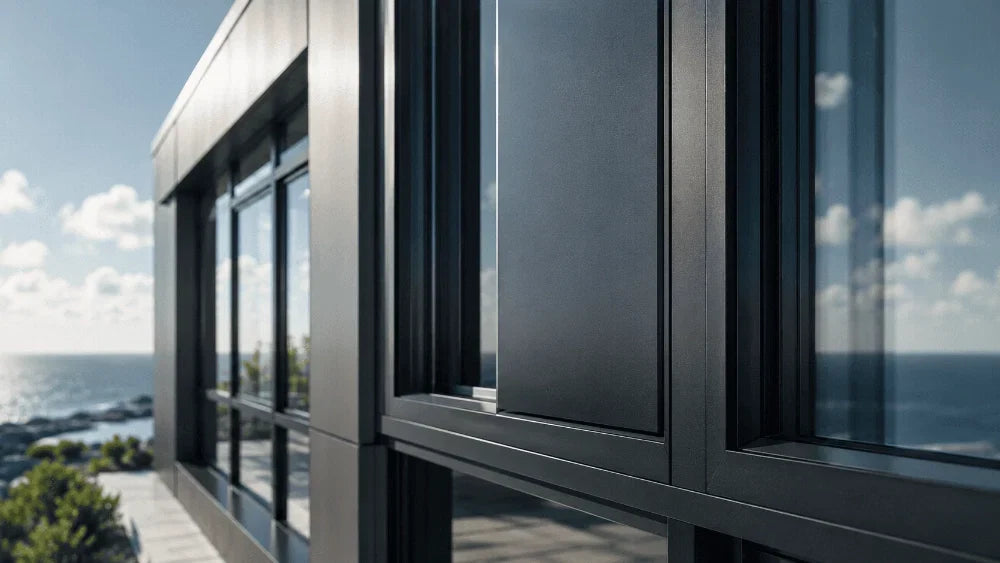
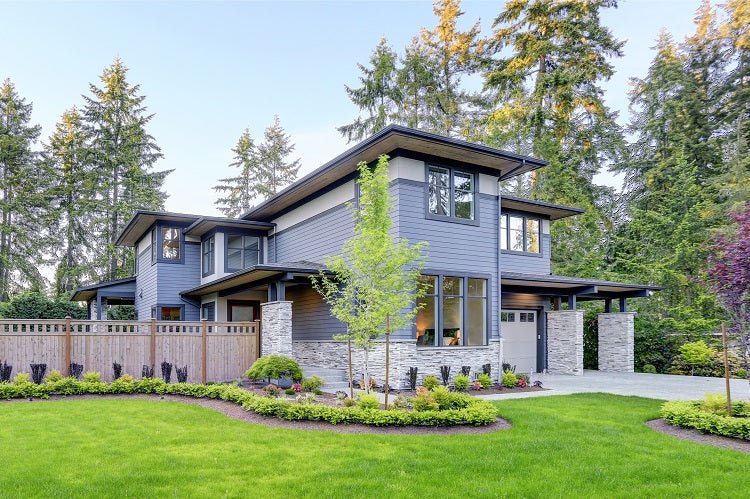
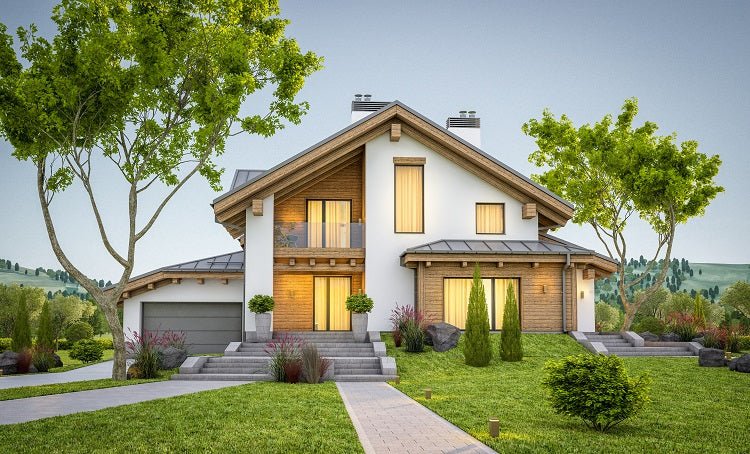
Modern entry doors with glass also help create a cleaner façade. Tall proportions, simple frames, and controlled glass lines can make the entrance appear more intentional. This is useful for homes with large windows, dark aluminum frames, stone walls, or minimalist exterior finishes.
A glass entry door should not look like an isolated feature. Its glass size, frame color, handle style, and sidelite width should relate to the windows and exterior materials nearby. When these details align, the entry door becomes part of the architectural composition rather than a separate decorative element.
Balancing Daylight and Privacy
Privacy is usually the first concern when choosing exterior entry doors with glass. A bright entrance is valuable, but it should not expose the living area, staircase, or hallway to direct outside views. Good privacy planning depends on both glass type and glass position.
Choose Glass Based on Exposure
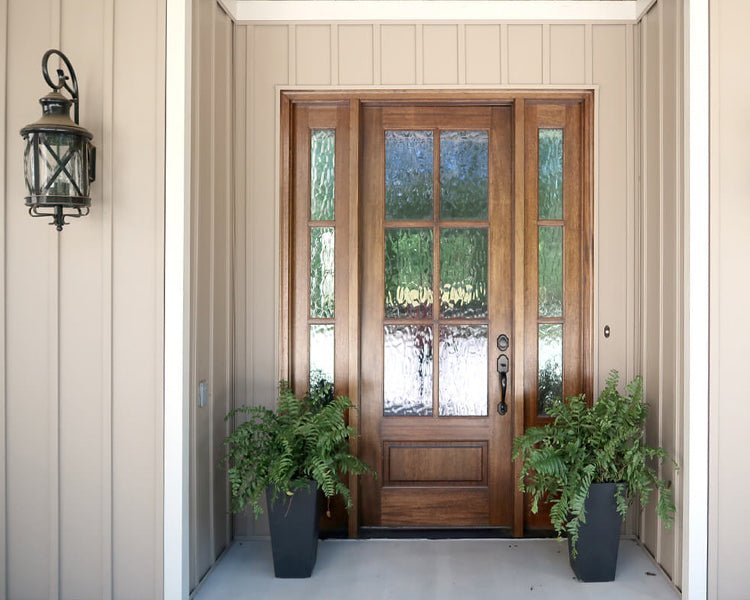
Clear glass brings the most daylight, but it gives the least privacy. Frosted, etched, reeded, tinted, patterned, or decorative glass can reduce direct visibility while still allowing light into the entryway. For homes near sidewalks, driveways, or neighboring windows, a privacy glass entry door is often more practical than a fully clear design.
The viewing angle also matters. Glass facing a private garden can be more transparent. Glass facing a public street usually needs stronger visual screening. Nighttime should be considered as well, because indoor lighting can make the interior more visible from outside.

Use Sidelites with Purpose
Sidelites are useful when the home needs more daylight but the main door should remain visually strong. A entry door with sidelight can widen the entrance, brighten the foyer, and reduce the need for a fully glazed door panel.
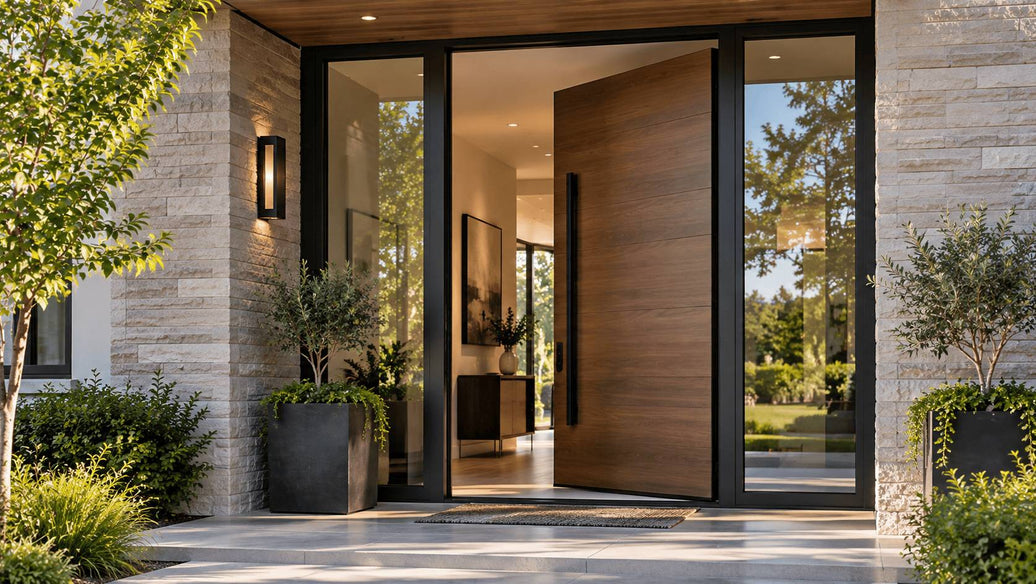
A design such as Entry Pivot Glass Door With Sidelite fits this approach. The sidelite can support natural light and entrance scale, while the pivot door gives the opening a modern architectural character. For custom homes, this layout often provides a better balance between openness and privacy than a single full-glass door.
Security Depends on the Complete Door System
Some buyers judge glass doors by the visible glass area alone. That can lead to the wrong conclusion. A secure glass entry door depends on the full system: glass structure, frame strength, locking hardware, pivot or hinge quality, threshold design, and installation accuracy.
Select Suitable Safety Glass
Glass used in residential entry doors should be specified for performance as well as appearance.. Tempered glass gives better resistance to impacts compared to regular glass. When broken, it is designed to fracture into small granular pieces rather than large sharp shards. Laminated glass can add another layer of safety because its interlayer helps hold broken pieces together after impact.
Insulated glazing can help with both comfort and long-term strength. Double-pane or triple-pane glazing, Low-E coatings, and properly designed seals can support thermal comfort and acoustic control. These features help reduce heat transfer and improve sound control. For exterior entry doors with glass, such elements are key. After all, the door is part of the building's outer shell.
Do Not Overlook Frame and Hardware
Large doors place more stress on the frame and hardware. Pivot doors need particular attention because the door weight is carried differently from a standard side-hinged system. The pivot mechanism must support smooth movement, stable alignment, and repeated daily operation.
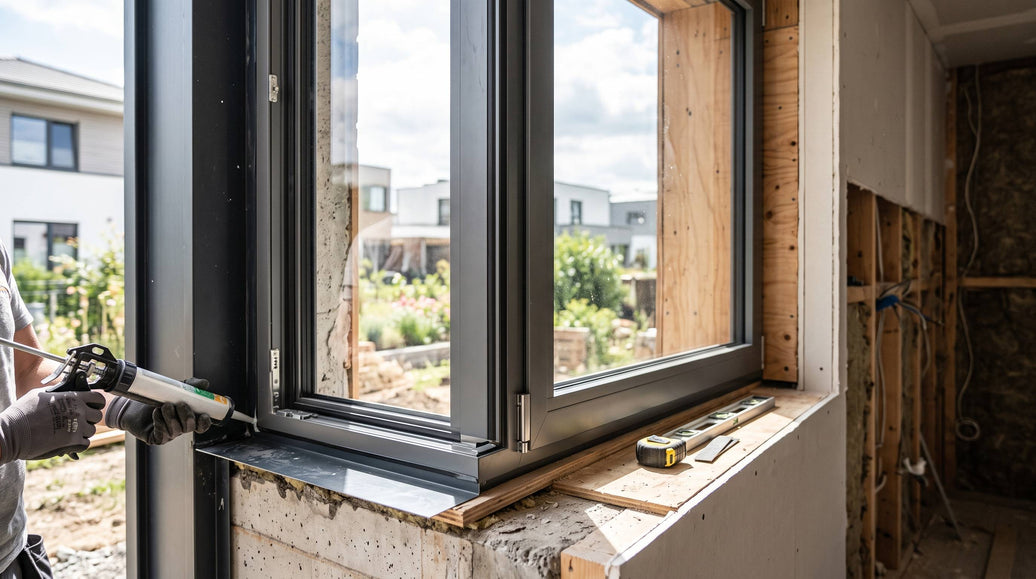
For builders and contractors, installation quality is equally important. Poor alignment can lead to air leakage, water entry, difficult operation, or lock engagement problems. A high-performing entry door should open smoothly, close firmly, and maintain its seal through daily use and seasonal movement.
Pivot Glass Doors and Hinged Glass Doors
Pivot and hinged glass doors can both perform well, but they serve different design goals. The decision should be based on entrance scale, façade style, available space, hardware requirements, and project budget.
When a Pivot Glass Door Is Suitable
A pivot glass door is often chosen for large modern entrances. Its opening method creates a more architectural impression than a standard hinged door, especially when the doorway is tall or wide. It also works well with sidelites and minimalist frame designs.
For villas and custom homes, a pivot door can make the entrance feel more substantial without making the façade heavy. It is a strong option when the entry door is expected to act as a visual focal point.
When a Hinged Door Is More Practical
A hinged glass door remains suitable for many standard openings. It is familiar, efficient, and easier to specify in traditional or moderate-size residential projects. If the entrance does not require an oversized door panel or a dramatic visual effect, a hinged door may be the more practical choice.
The final selection should not follow appearance alone. A pivot door requires suitable space, hardware, and installation planning. A hinged door still needs a strong frame, quality glass, reliable sealing, and correct swing direction.
Key Checks Before Choosing Entry Doors with Glass
Before ordering front entry doors with glass, project teams should review both appearance and performance. Important details include glass type, glass position, frame material, opening style, lock system, threshold design, and privacy level.
Aluminum frames are often selected for modern entrances because they support clean lines and structural stability. Wood or aluminum-clad wood may be better for homes that need a warmer or more traditional character. In larger openings, frame strength and hardware selection should be checked early, not after the design is finalized.
Energy performance should also be reviewed. Low-E glass can help manage heat transfer. Weatherstripping and threshold design can reduce drafts. A reliable locking system can improve security. Custom sizing may be needed when the entrance includes a sidelite, transom, tall panel, or wider-than-standard opening.
Installation Planning
Project teams comparing suppliers can review the wider custom window and door capabilities of Luvindow. The main goal should remain clear: the door must fit the project’s design, privacy, security, climate, and installation requirements.

When a Custom Glass Entry Door Is Worth Considering
A standard door can work well in a standard opening. Custom entrances require more careful planning. A custom door may be necessary when the home has a large entry opening, a specific façade design, privacy concerns, or a sidelite layout that cannot be solved by standard dimensions.
Custom entry doors with glass allow the door size, finish, glass treatment, hardware, and opening style to be coordinated with the project. This can reduce design compromises and help the entrance perform as intended. For builders, early specification can also make installation more predictable.
Before placing an order, buyers may also review warranty and support details, especially for large residential projects where long-term service and product clarity are important.
Conclusion
Entry doors with glass should do more than brighten the entrance. They should improve the way the home looks, feels, and functions. A good glass entry door balances daylight, privacy, security, energy performance, and long-term operation.
A full glass panel may suit a private modern villa. A sidelite may suit a home that needs more light without exposing the entire interior. A pivot door may suit a large architectural entrance, while a hinged door may remain the right choice for a standard opening.
For homeowners, builders, or designers planning modern entry doors with glass, we can help review glass layout, sidelite design, privacy needs, door size, and custom finishes. You can discuss a tailored Entry Door solution with Luvindow for your next residential or project-based build.
FAQ
Q:Are entry doors with glass safe for homes?A:Yes. They can be safe when they use suitable safety glass, strong frames, reliable locking hardware, and accurate installation. The final security level depends on the complete door system, not only the glass panel.
Q:What glass is best for privacy in a entry door?A:Frosted, etched, reeded, tinted, patterned, or decorative glass can improve privacy while still allowing daylight into the entryway. The best option depends on street exposure, interior layout, and the desired exterior appearance.
Q:Are glass entry doors energy efficient?A:Glass entry doors can be energy efficient when they use insulated glazing, Low-E glass, proper weatherstripping, and a well-designed threshold. Frame quality and installation accuracy also affect long-term comfort.