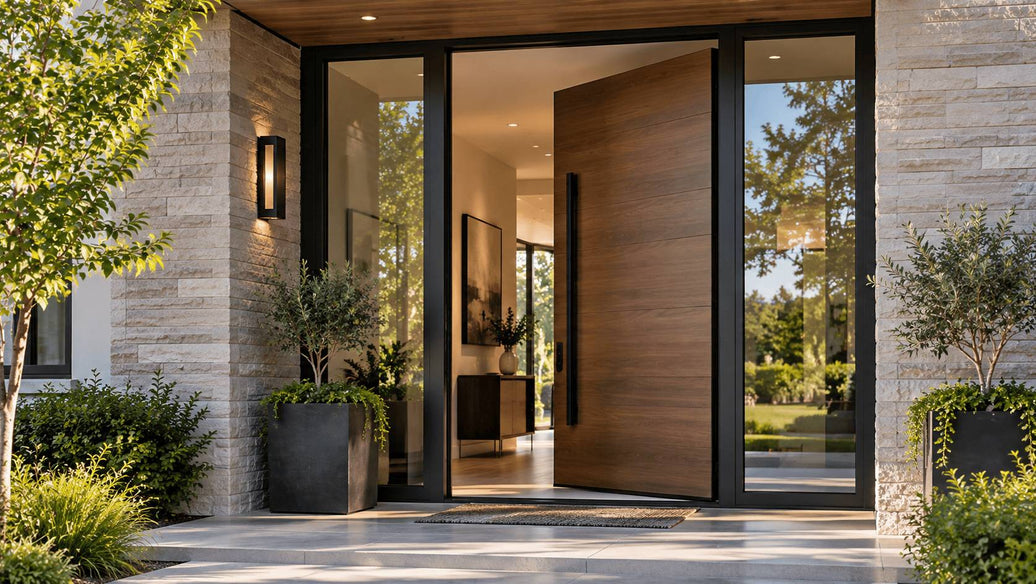
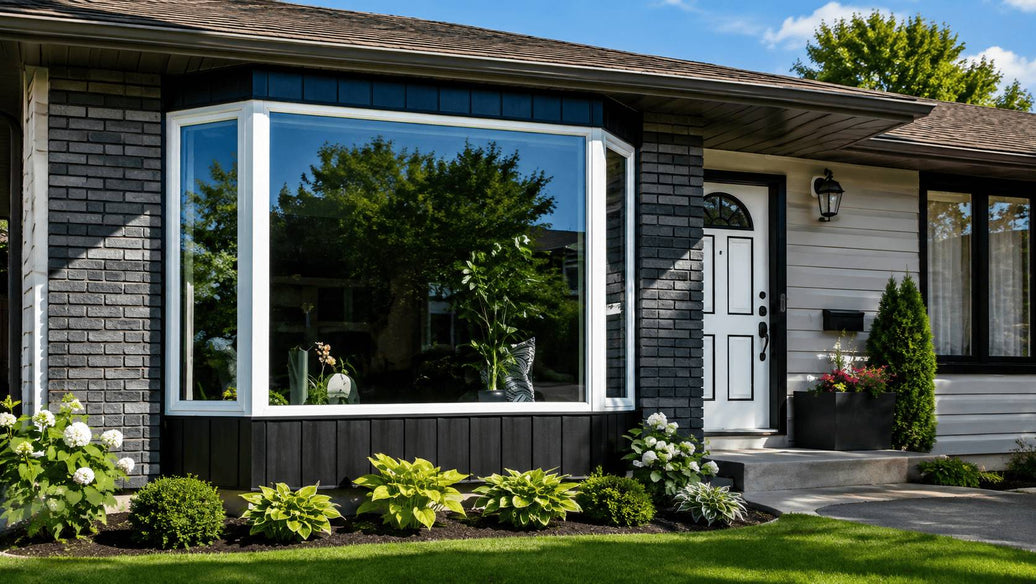
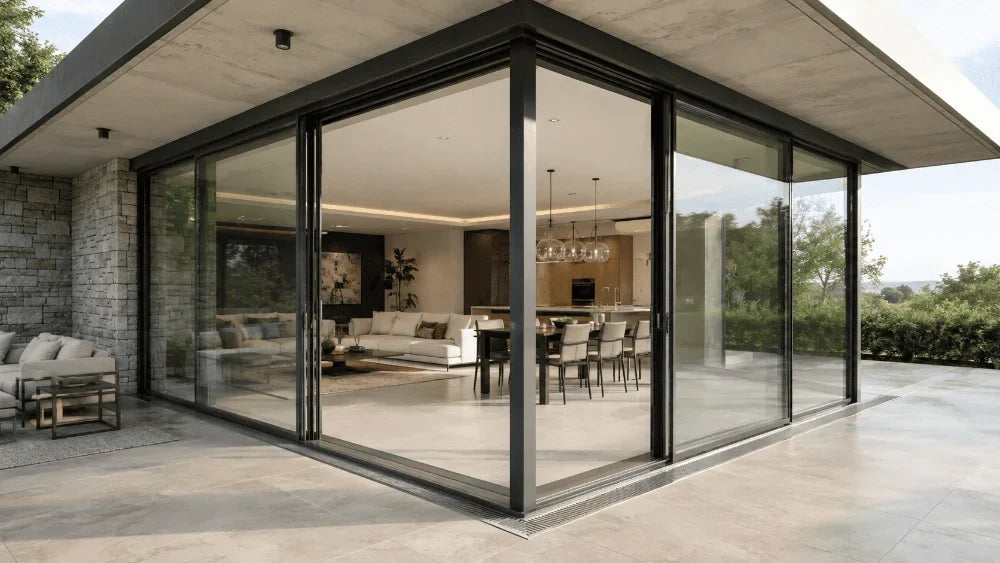
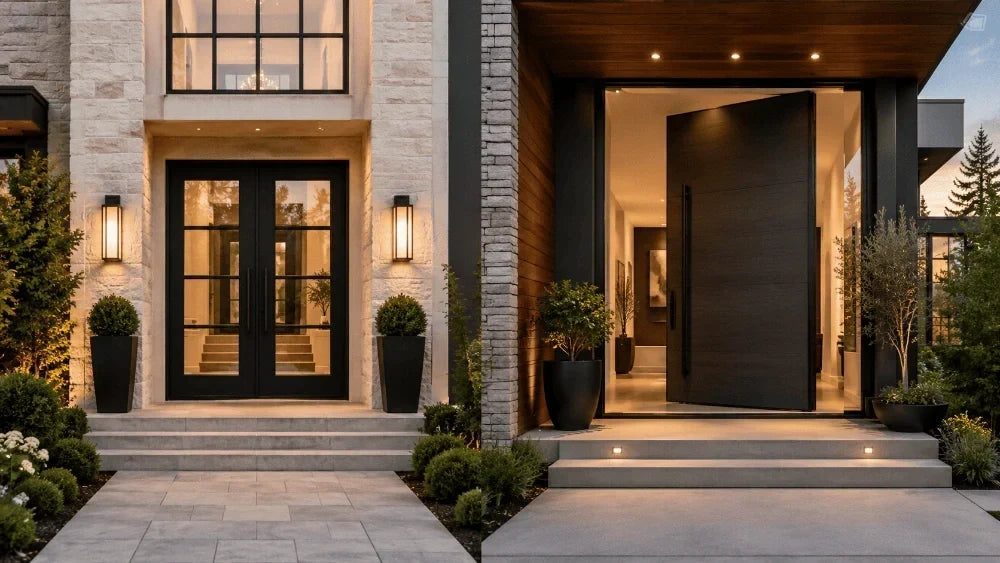
For retail shops, restaurants, cafes, showrooms, and ground-floor commercial units, the entrance is more than a passage point. It guides customer flow, shapes the storefront image, and helps protect the business after closing hours. In busy retail and commercial spaces, commercial glass entry doors should handle steady daily use while supporting visibility, security, comfort, and a professional facade.
A standard glass door may look acceptable in a drawing, but retail entrances face constant pressure. Door leaves open throughout the day, hinges carry repeated load, locks need to remain dependable, and indoor comfort can change quickly when the door faces street noise, wind, heat, or cold.
This guide explains how to plan commercial glass entry doors for demanding retail environments, with a focus on security, wear, comfort, and commercial storefront door specifications.
Why Retail Entrances Need More Than Standard Glass Doors
Frequently used retail entrances create different demands from low-use commercial rooms or residential doors. A retail entrance has to work smoothly during business hours and still present the right image to passing customers. For builders, contractors, architects, and store planners, the door, glass, hardware, frame finish, lock design, and facade should work together.
Frequent Opening Creates Hardware Wear
In busy retail and commercial spaces, daily operation can become the main source of long-term wear. A door that works smoothly during installation may later develop alignment issues, loose hardware, or poor closing performance if the hinge system is not suited for frequent use.
Entrance problems can interrupt service, affect customer experience, and add maintenance costs. A door that does not close properly may also reduce indoor comfort and weaken after-hours security.
Visibility Should Not Reduce Security
Retail spaces often choose commercial exterior doors with glass because they create openness and allow customers to see displays, lighting, and interior activity. However, transparency should not come at the cost of storefront protection.
A good retail entrance should help maintain visibility during business hours and support security when the store is closed. That means glass type, lock system, frame structure, and installation quality need to be considered together. The goal is not a heavier-looking door, but a more reliable system.
Comfort Near the Entrance Matters
The area near a storefront entrance is often used for reception, checkout, product display, or waiting. If the door system performs poorly, noise and temperature changes can affect staff and customers.
Urban retail locations face traffic noise, pedestrian activity, and frequent door movement. Restaurants and cafes may also need stable indoor comfort near seating or ordering areas. For these projects, commercial entrance doors should be planned with thermal and sound performance in mind, not just glass visibility.
Key Challenges in Retail Storefront Door Projects
A storefront entrance needs to respond to the actual business environment. A boutique, a restaurant, a showroom, and a mixed-use ground-floor unit may all use glass doors, but their operating conditions are not the same. The specification should start with daily use.
Security, Wear, and Storefront Consistency
Security is one of the most important concerns in retail entrance planning. A glass storefront should not feel fragile or temporary. The door system needs suitable glass, reliable locks, and a frame that supports the selected hardware. Locking requirements should be reviewed together with door configuration, glass type, opening direction, and after-hours access.

Frequently used commercial doors can also fail slowly. A leaf may require more force to open, return less cleanly, or need repeated adjustment around the lock or closing line. These issues can create callbacks and maintenance disruptions. Commercial storefront doors should therefore be selected with operation frequency, door leaf size, hinge type, hardware strength, and service access in mind.
The entrance is also a brand detail. A clean glass door can support the facade, but poor hardware placement, visible wear, or mismatched frame finishes can weaken the storefront. For retail projects, commercial entrance doors should match the surrounding glass, signage zones, and interior style instead of being added late as a separate item.
What Commercial Glass Entry Doors Should Include
A strong retail entrance solution should combine function and design. The best specification is usually the one that fits the business type, traffic level, safety expectations, and project budget.
Durable Hinge and Operation System
The hinge system is critical to commercial door performance. In frequently used retail entrances, hinges must support repeated motion while keeping the door leaf aligned. A more concealed hinge design can also help create a cleaner storefront appearance.
Luvindow’s commercial door system uses an integrated molding hidden hinge system for a streamlined look and steady daily-use performance. For projects that expect steady daily traffic, this type of hinge planning can help reduce visible hardware clutter and support long-term operation.
Tempered Glass and Locking Support
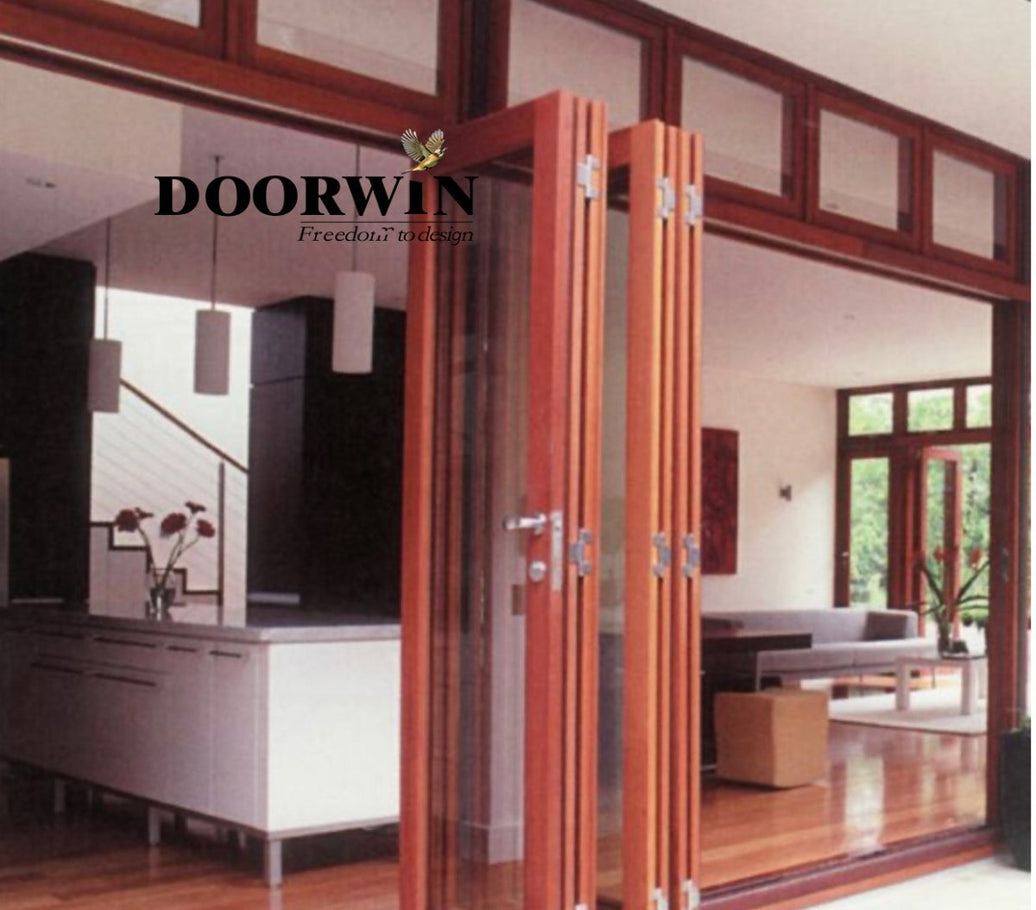
Commercial exterior doors with glass need to provide openness without feeling weak. Tempered glass is commonly used in commercial door systems because it supports safety and durability needs. For retail projects, the glass should be reviewed together with locks and frame design.
High-quality door locks are especially important for storefronts that remain visible and accessible from the street. A better specification should consider who uses the entrance, when the store is open, how the building is secured at night, and whether the same entrance also serves staff or delivery access.
Energy-Efficient and Sound-Dampening Glass
In commercial glass entry doors, double-layered glass is often more valuable for acoustic comfort and glass clarity than for energy savings alone. For street-facing shops, cafes, and showrooms, sound-dampening glass can help reduce the effect of traffic, pedestrian noise, and nearby street activity around checkout areas, seating zones, and consultation spaces.
A better insulated glass unit can also help reduce condensation risk when indoor and outdoor temperatures differ, keeping the entrance and display area clearer. Thermal comfort should still be planned as a system. When the door is paired with an air curtain, vestibule, and suitable HVAC layout, the entrance zone can maintain more stable indoor conditions than a standard single-glass doorway.
Where Storefront Entrance Solutions Work Best
Commercial glass entry doors work best where the entrance must support visibility, reliable operation, and a professional first impression.
Retail shops need a door that invites customers in while protecting the store after hours. A single door may suit a smaller shop, while a wider storefront may require a double opening configuration.
Restaurants and cafes often need glass entrances for visibility and atmosphere. However, the entrance also affects seating comfort, noise level, and indoor temperature, especially when customers sit near the door.
Showrooms use glass entrances to create transparency and trust. Furniture showrooms, building material showrooms, automobile display spaces, and design studios all benefit from a clean storefront entrance that supports display value and security.
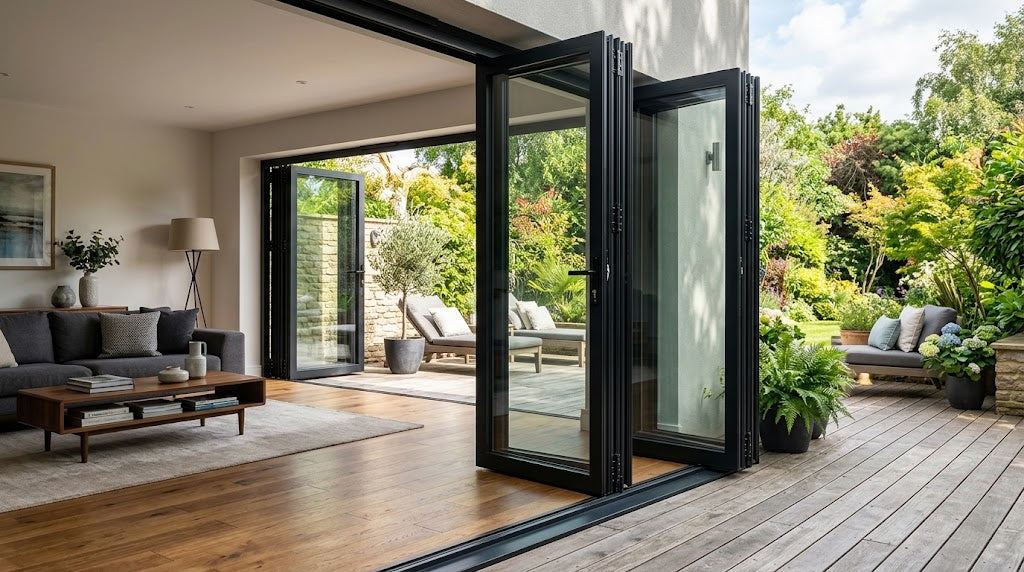
Mixed-use buildings often include several retail units on the ground floor. Developers and contractors should plan door sizing, clear opening, accessibility needs, hardware, and facade alignment early.
How LUVINDOW Commercial Doors Fit Retail Entrance Projects
For retail, restaurant, showroom, and mixed-use storefront projects, Durability Commercial Glass Doors for Storefront can be considered when the entrance needs a balance of security, durability, and design.
The product is designed for storefronts and retail environments with steady daily traffic, with single and double opening configurations. It uses an integrated molding hidden hinge system, double-layered tempered glass, and high-quality door locks. It also supports energy-efficient glass and sound-dampening glass for commercial spaces that need better comfort near the entrance.
The product is not meant to replace proper project review. Door size, opening direction, glass type, lock requirements, and local inspection needs should still be confirmed before ordering. For broader planning, Luvindow provides window and door systems for varied project needs.
Specification Checklist Before Ordering Commercial Storefront Doors
A clear inquiry helps reduce drawing revisions and late changes. Before ordering commercial storefront doors, the project team should prepare the main entrance details.
Start with opening size, door quantity, traffic direction, and whether the project needs a single or double door. Also, confirm whether the door connects with fixed glass, a window wall, or a larger storefront facade. Clear passage requirements should be reviewed with the local project code, especially for U.S. public-facing retail projects. For U.S. commercial projects, review ADA requirements early, including clear opening width, threshold height, accessible hardware operation, maneuvering clearance, and closer settings where applicable.
Hardware and Daily Operation
Next, confirm tempered glass requirements, sound control needs, thermal performance expectations, hinge type, lock system, handle style, and closer requirements. Hardware should be selected for the door leaf weight and expected traffic level. For commercial exterior doors with glass, the lock and glass should not be discussed separately because both affect security, user experience, and long-term maintenance.

Finally, review site conditions. A door inside a shopping mall faces different conditions from a door on a busy street. Street exposure, wind, rain, noise, sunlight, and business hours should all be considered before the final specification. Project teams can also review all doors to compare different options before selecting the final entrance solution.
Common Mistakes in Retail Entrance Planning
One common mistake is choosing only by appearance. A glass door may look suitable in a rendering, but it may not perform well if the hinge, lock, glass, and frame are not selected for frequent use.
Another mistake is leaving security and comfort details too late. Glass type, lock requirements, sound control, and thermal performance should be part of the early specification. Late changes can increase cost and delay ordering.
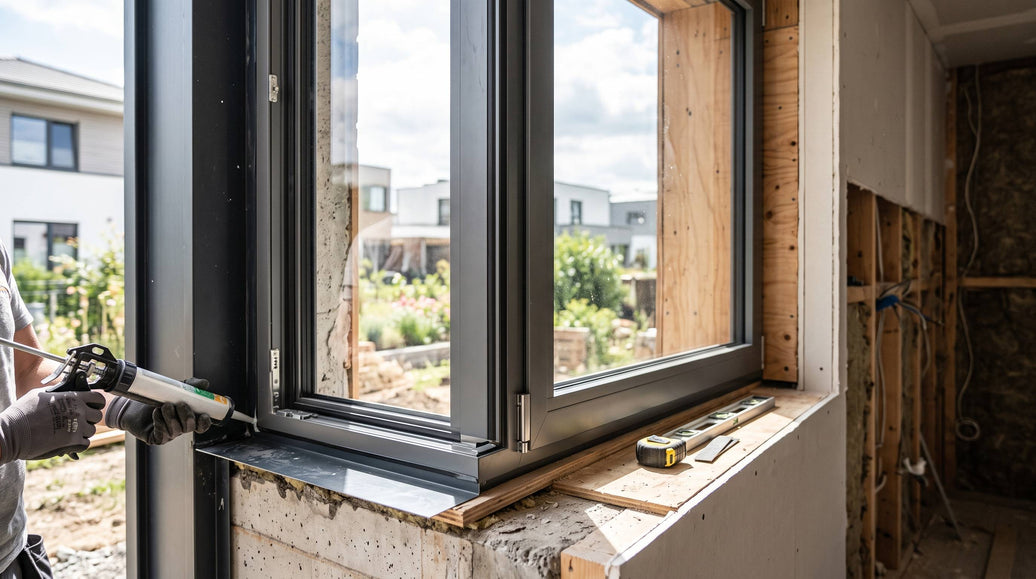
A third mistake is ignoring maintenance access. Commercial doors need adjustment and service over time. If parts are difficult to access or the door is not suitable for the operating frequency, the business may face repeated disruptions.
Conclusion
Busy retail and commercial spaces need more than standard glass doors. They need entrance systems that support daily operation, storefront visibility, security planning, and interior comfort. Commercial glass entry doors should be specified around real use: how often the door opens, who uses it, what the storefront needs to show, and what conditions the entrance faces.
For retail shops, restaurants, showrooms, and mixed-use commercial projects, the best results come from reviewing glass, hardware, lock system, frame finish, opening configuration, and comfort needs together. If your team is preparing a storefront entrance schedule or reviewing commercial door specifications, share your project requirements with Luvindow so the entrance solution can be checked before ordering.
FAQ
Q:What makes commercial glass entry doors suitable for busy retail and commercial spaces?A:They should combine durable hinges, reliable locks, tempered glass, smooth operation, and suitable thermal or sound-control glass. These details help the entrance manage steady daily use while supporting visibility and customer comfort.
Q:Are commercial exterior doors with glass secure enough for retail storefronts?A:They can be suitable when specified with tempered glass, strong locking hardware, and a commercial-grade frame system. Security should be planned together with the glass type, lock system, door size, and after-hours access needs.
Q:What should contractors confirm before ordering commercial storefront doors?A:Contractors should confirm opening size, single or double configuration, glass type, hinge system, lock requirements, clear passage needs, finish color, traffic level, and whether the door connects with a window wall or storefront facade.