


Window selection has become more technical. A few years ago, many buyers chiefly compared frame color, opening direction, glass size, and price. In 2026, the discussion has changed. Homeowners, builders, architects, and developers now focus more on thermal performance, indoor comfort, ventilation control, maintenance access, and whether the window system can function reliably after years of daily use.
That is why energy efficient casement windows are attracting greater interest in residential projects. They provide a useful base: a sash that closes tightly against the frame, reliable ventilation potential, and a clean appearance that suits modern homes. However, the window type alone does not ensure performance. The main difference arises from how the frame, glass, seals, hardware, and installation details function together.
A well-chosen window should help cut unwanted heat transfer, reduce drafts, enable fresh air exchange, and stay easy to operate. It should also fit the room, the climate, and the design goal. This guide describes how to compare U-factor, glass packages, thermally broken aluminum windows, and tilt-turn operation before selecting a window system for a residential project.
What Makes Casement Windows Energy Efficient?
Casement windows hold a structural benefit because the sash typically closes by pressing against the frame. This compression-style closure can form a firmer seal than some sliding window types, where the sash slides along a track. For homes facing wind, heat, cold, or seasonal temperature changes, that firmer closure can help boost indoor comfort.
Still, performance relies on details. A casement window with poor weatherstripping or badly adjusted hardware may not yield the expected outcome. A high-quality system requires steady frame construction, lasting seals, appropriate glass, and hardware that maintains the sash in proper alignment.
This is why buyers should avoid evaluating energy efficient casement windows by looks alone. A slim frame may appear elegant, but it must still bear the glass load. A thick glass unit may seem striking, but it must integrate with the frame and hardware. The superior product is the one where all parts are designed as a unified system.
Why Frame Design Is Just as Important as Glass
Glass frequently receives the most focus in window talks, but the frame holds an equally vital role. Aluminum is broadly used in modern window systems because it is sturdy, reliable, and fit for slim profiles. It can hold larger glass areas and sharp architectural lines, which is why residential aluminum windows are frequent in current homes.
The issue is that standard aluminum transfers heat readily. Without a thermal break, the frame may permit greater heat transfer between indoors and outdoors. This can impact comfort, particularly in regions with intense summer sun, harsh winters, or big differences between indoor and outdoor temperatures.
Thermally broken aluminum windows tackle this problem by dividing the inner and outer aluminum sections with an insulating barrier. This cuts direct heat transfer through the frame while preserving the strength and slim look of aluminum. For projects that require both modern style and energy performance, this setup is often worth careful examination.
A good frame should also manage long-term movement. Windows expand and contract. They open and close. And they endure wind pressure. Frame depth, profile thickness, drainage, weatherstripping, and corner strength all affect how the product works after installation.
How to Read U-Factor Before Choosing Windows
U-factor measures how readily heat passes through a window. In most cases, a lower U-factor indicates better insulation. It is one of the most helpful values for comparing energy efficient casement windows, but it should not be considered alone.
The final U-factor is influenced by glass type, pane count, coating, gas fill, spacer design, frame material, sash structure, and sealing quality. A window with advanced glass but weak frame insulation may still waste energy. A strong frame with poor sealing may also fall short.
Climate should direct the choice. In colder regions, buyers typically emphasize cutting heat loss. In hot or sunny areas, solar heat control also counts. Large south- or west-facing windows may require a different glass approach than smaller shaded openings. For new construction, these decisions should occur before wall openings and window schedules are set, not after the design is already in place.
Double Pane Casement Windows or Triple Pane?
Both double pane and triple pane glass can work well. The proper choice relies on climate, budget, sash size, sound control needs, and the desired performance level.
Double pane casement windows suit many residential projects. They do so when they feature Low-E coatings, argon gas fill, tempered glass, and an insulated frame. This combination offers a good balance of thermal performance, cost, and manageable sash weight. For numerous homes, this serves as a useful choice. It improves comfort and avoids extra weight on each operable unit.
Triple pane glass might fit better in extremely cold climates, noisy locations, or projects with stricter energy goals. It improves insulation and noise reduction. However, it raises weight and expense too. Before choosing triple pane glass, buyers need to check that the frame, hinges, locking points, and installation approach can support the heavier unit. A heavier window does not always mean a superior one. This holds true if it becomes difficult to use or causes ongoing strain on the hardware.
For most buyers, the decision should begin with the project need rather than a set preference. Double pane casement windows may suffice for one room, while another area of the same home may gain from a higher-performance glass package.
Why Tilt-Turn Design Adds Practical Value

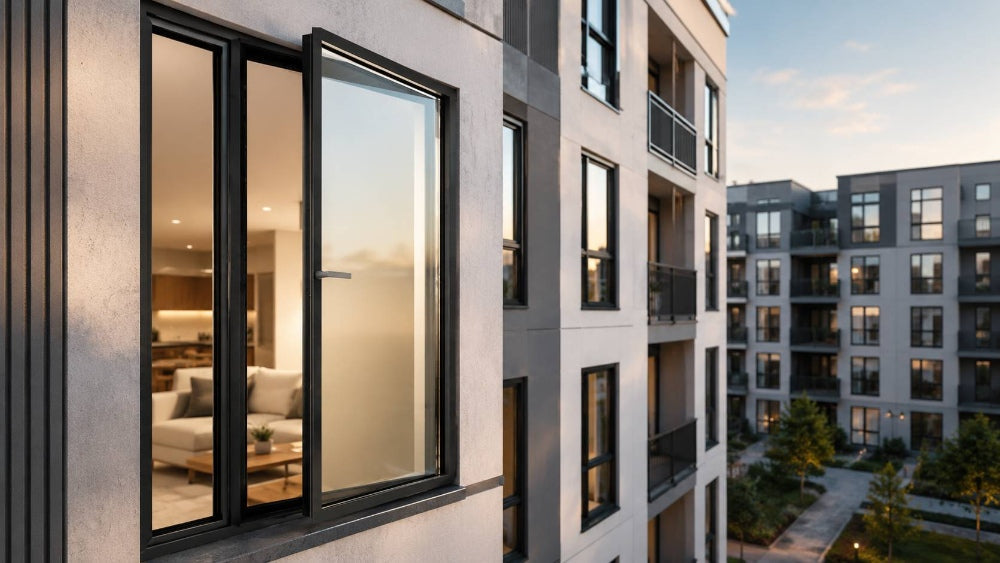
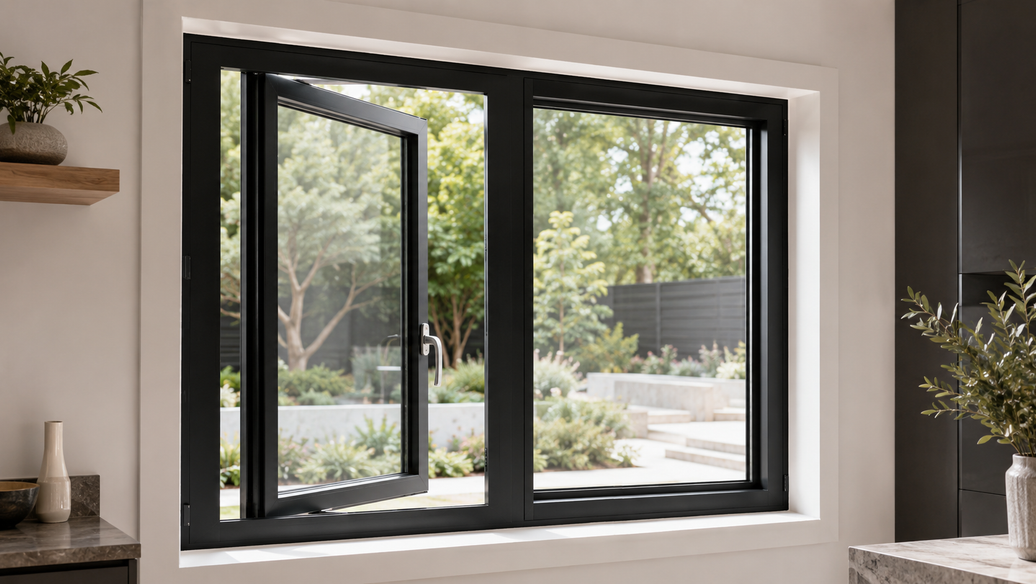
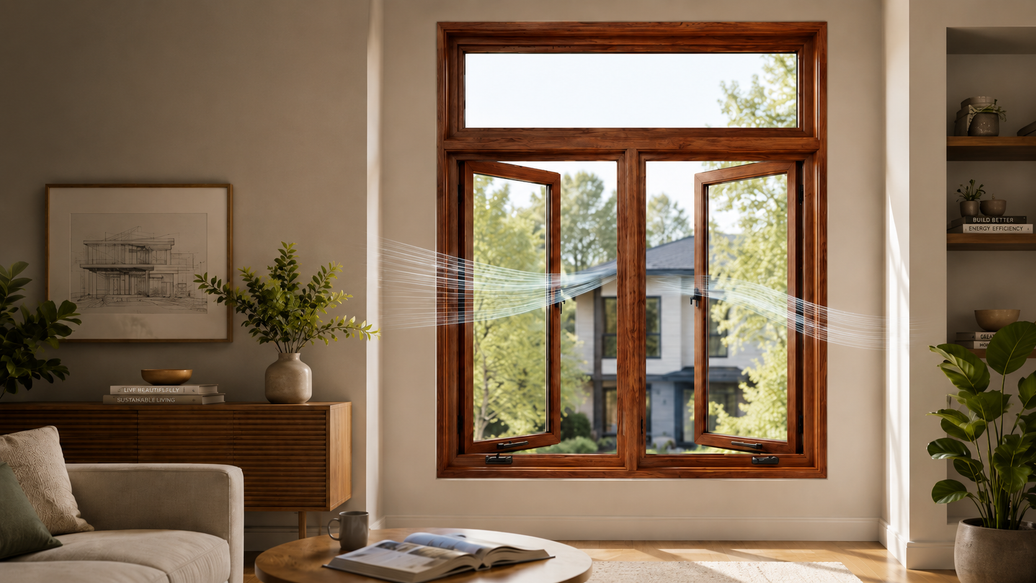
Traditional casement windows usually swing from the side. This delivers robust airflow, but it may not always match bedrooms, apartments, upper floors, or spaces where controlled daily ventilation is key. Tilt and turn casement windows address this issue by providing two opening modes in one sash.
In tilt mode, the top of the sash opens inward while the lower part stays secured. This forms a narrow ventilation gap. It is helpful for bedrooms, kitchens, bathrooms, and home offices where fresh air is required without fully opening the window. It can also be simpler to handle during light rain or windy conditions.
In turn mode, the sash swings inward like a door. This provides stronger airflow and makes exterior glass cleaning easier from inside the room. For multi-story homes and urban residential buildings, this can lessen maintenance challenges and enhance daily usability.
The Large Size Turn Tilt Windows product is a more suitable example for this article. The product page positions it as LUVINDOW AL+ 70 casement windows and highlights T66 aviation-grade aluminum, window profile thickness of at least 1.6mm, and main load-carrying parts of at least 2.0mm. Its glass and frame design also include Low-E silver coating, Technoform Bautec TGI-Spacer M warm-edge spacer technology, and a thermally broken aluminum profile system using Technoform Bautec PA66 nylon to help reduce thermal bridging.
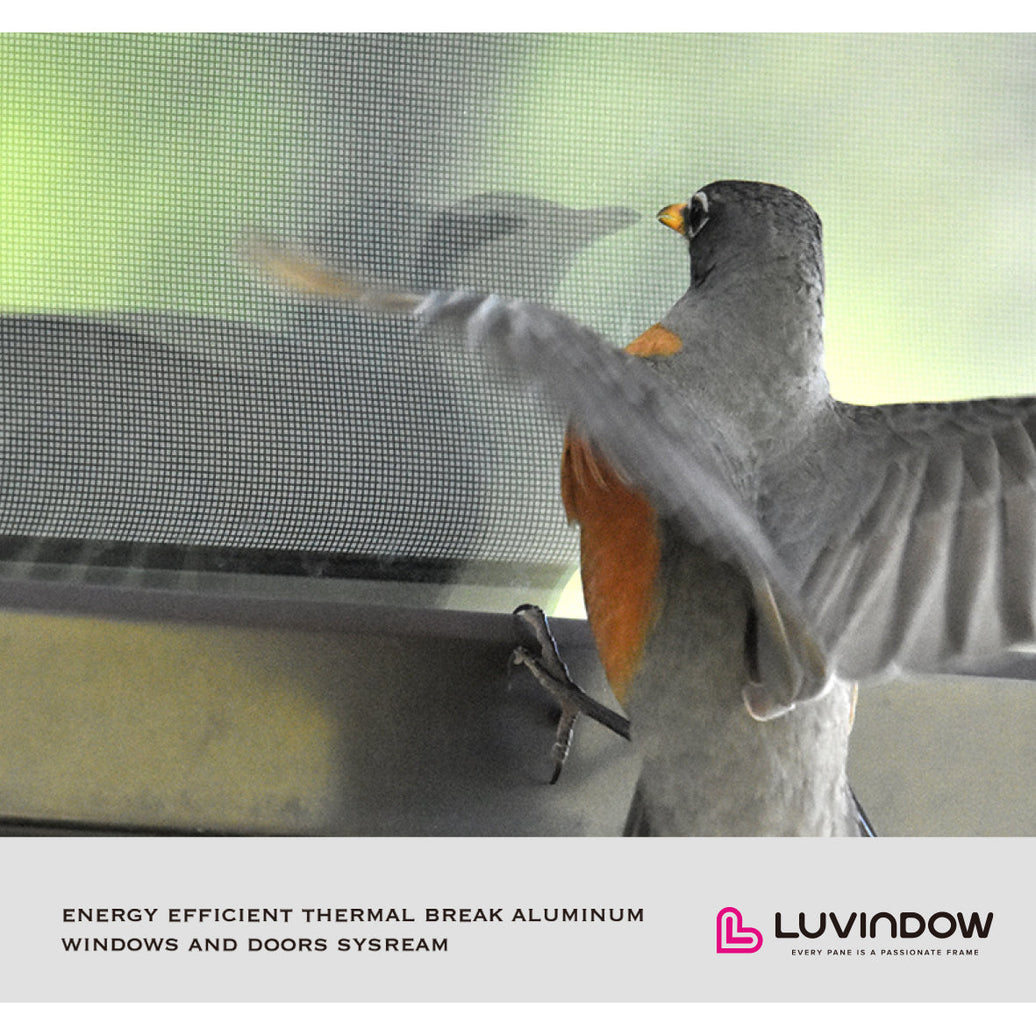
This type of system suits projects where buyers need a stronger aluminum casement-style window with tilt-turn usability, energy-focused glazing, and dependable operation. The same product page also lists Germany Roto / Siegenia hardware options, RC2 anti-theft performance, and a 304 stainless steel protection screen, which makes the product more relevant to projects that must balance ventilation, security, durability, and daily maintenance.
What to Check Before Buying Residential Aluminum Windows
Residential aluminum windows should be examined as complete systems. Before placing an order, buyers should verify whether the frame uses a thermal break, whether the glass package fits the climate, and whether the hardware matches the sash size and weight.
Frame depth and visible width are important, but they should not be the sole design criteria. A narrow frame can enhance sightlines, yet it still needs sufficient strength for insulated glass and repeated operation. Weatherstripping, drainage, and locking points also merit attention, especially in areas with heavy rain or strong wind.
The glass package should align with the room. A living room may emphasize daylight and broad views. A bedroom may demand better thermal comfort and quieter interiors. A kitchen or bathroom may require controlled ventilation. This is where tilt and turn casement windows can be valuable because they permit both small daily ventilation and full opening when needed.
Hardware should be viewed as a performance element, not a small accessory. It influences sealing pressure, alignment, security, and long-term operation. In tilt-turn designs, one handle controls two functions, so reliable hardware is crucial.
Are Energy Efficient Casement Windows Worth It for New Construction?
For new construction, windows shape the building from the start. They impact daylight, wall design, ventilation planning, energy use, indoor comfort, and exterior appearance. Selecting energy efficient casement windows early can help prevent conflicts between design goals and performance needs.
A bedroom may require secure ventilation. A living room may need larger glass units. An upper-floor space may profit from inward opening for safer cleaning. A home in a hot region may demand stronger solar control, while a cold-climate project may focus on lower U-factor values.
This is where customization and product range count. Luvindow offers window and door solutions for different residential and project needs, including tilt-turn, casement, picture, specialty shape, and related systems. The practical value is not in using one window type everywhere. It is in matching the right system to each opening, room, and performance target.
Final Buying Checklist for 2026
Before confirming a window order, compare U-factor rather than depending only on general product descriptions. Check whether the frame uses a thermal break. Review double pane and triple pane options according to climate, room function, sash size, and budget.
Buyers should also confirm Low-E coatings, warm-edge spacer details, hardware suitability, opening direction, drawings, installation guidance, and warranty coverage. These details help minimize ordering errors and boost installation confidence.
Energy efficient casement windows are not simply upgraded glass units. They are complete performance systems. Their value stems from frame insulation, glass configuration, sealing quality, hardware strength, and proper installation working together.
For homeowners, builders, and trade professionals comparing thermally broken aluminum windows or custom turn-tilt casement options, a detailed review before production can save time and reduce uncertainty. To discuss window sizes, glass options, opening styles, or project requirements, speak with our window team for tailored guidance.
FAQ
Q: Are energy efficient casement windows better than sliding windows?
A: Energy efficient casement windows frequently deliver more effective sealing. This occurs because the sash presses securely against the frame. Sliding windows can still achieve solid results. Yet track-based systems generally demand greater focus on air leakage, drainage, and upkeep.
Q: Are double pane casement windows enough for most homes?
A: Double pane casement windows can prove adequate for numerous homes. This holds when they incorporate Low-E coatings, argon gas fill, tempered glass, and an insulated frame. Triple pane might serve better in extremely cold climates, zones with elevated noise, or initiatives with more rigorous performance aims.
Q: Why choose turn tilt casement windows for a modern home?
A: Turn tilt casement windows present two distinct opening methods. Tilt mode facilitates regulated ventilation. Meanwhile, turn mode enables broader airflow and more straightforward cleaning from inside. Such features render them appropriate for bedrooms, upper levels, apartments, and contemporary residential developments.







Leave a comment