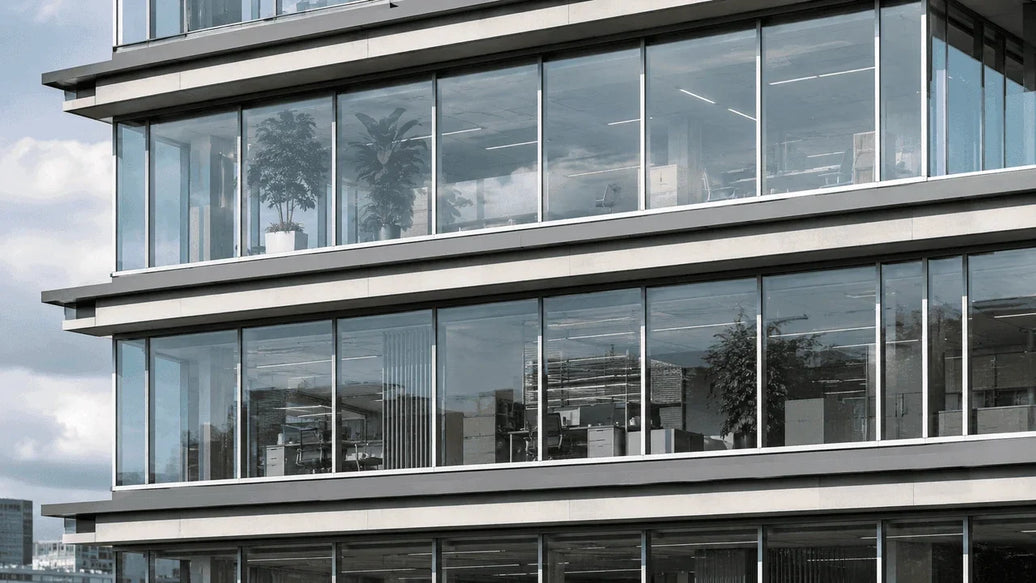
Multifamily projects do not select windows one opening at a time. A single apartment, condo, or rental housing project may include dozens or hundreds of repeated openings across bedrooms, kitchens, living rooms, corridors, amenity spaces, and ground-floor shared areas. For developers, builders, and procurement teams, aluminum windows need to be planned as a building-wide package.
The challenge is not only thermal performance. It is also unit consistency, window coding, delivery timing, site storage, installation tolerance, and long-term replacement planning. Energy efficient windows can still cause delays if similar units are mislabeled, sash directions are confused, or the frame details do not match the wall condition.
This guide focuses on how project teams can specify aluminum windows for multifamily work without repeating the same single-window selection process used in small residential jobs.
Start with Repetition, Not Single-Unit Selection
A multifamily window package should begin with the window schedule. Each window type needs a clear mark, size, opening method, glass requirement, frame color, screen option, hardware direction, and unit location. Without this control, similar-looking openings can easily become a source of site confusion.
Window Schedules Keep Units Consistent
Unit consistency does not mean every aluminum window must be identical. A corner living room, bedroom, kitchen, stairwell, and amenity space may all need different window types. The point is that each type should be clearly coded and matched with the correct elevation and unit layout.
For large apartment or condo projects, small errors can multiply. A reversed opening direction or wrong screen option may affect many units, not just one room. This is why builders should review shop drawings before bulk production.
Mockups Reduce Late Changes
A sample or mockup helps confirm sightlines, frame depth, glass appearance, handle position, screen access, and interior trim clearance. It also gives installers a practical reference before the full order reaches the site. For multifamily windows, this early review can prevent repeated corrections during installation.
Thermal Breaks Matter at Building Scale
Thermal performance becomes more important when the same window system is repeated across many units. If the frame conducts too much heat or cold, the comfort issue may appear across an entire facade.
Thermal Breaks and Occupant Comfort
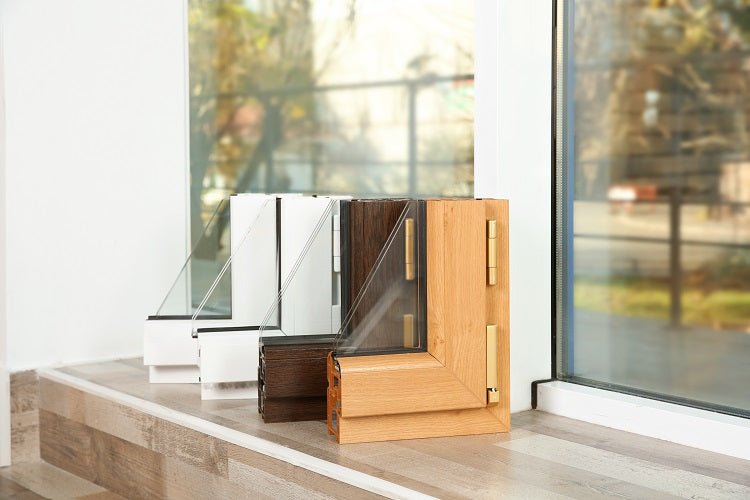
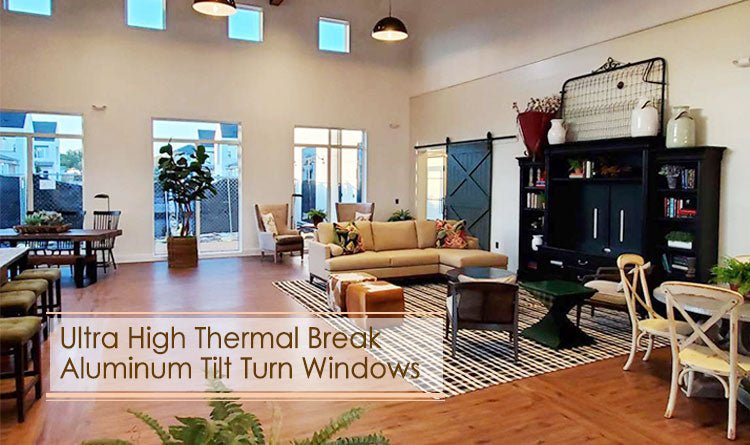
Thermally broken aluminum windows can help reduce heat transfer through the frame and sash compared with standard aluminum frames. This can support more stable comfort near windows and may help reduce condensation risk when indoor and outdoor temperatures differ.
For developers, the value is not limited to one room. A consistent thermal-break specification helps keep repeated units closer in comfort and performance, especially in climates with hot summers, cold winters, or strong temperature swings.

Glass Should Match Exposure
Not every elevation faces the same conditions. South- or west-facing apartments, upper floors, corner units, and shaded courtyard windows may need different glass discussions. Low-E glass, argon fill, warm edge spacers, and double or triple glazing should be reviewed by climate, code, and project goals.
U-factor is important, but it should not be the only decision. Frame type, spacer design, sealing, drainage, wall interface, and installation quality also affect the final result.
Match Window Types to Building Areas
A useful multifamily specification does not treat every opening as the same product. Different building zones need different priorities.
Bedrooms and Living Rooms
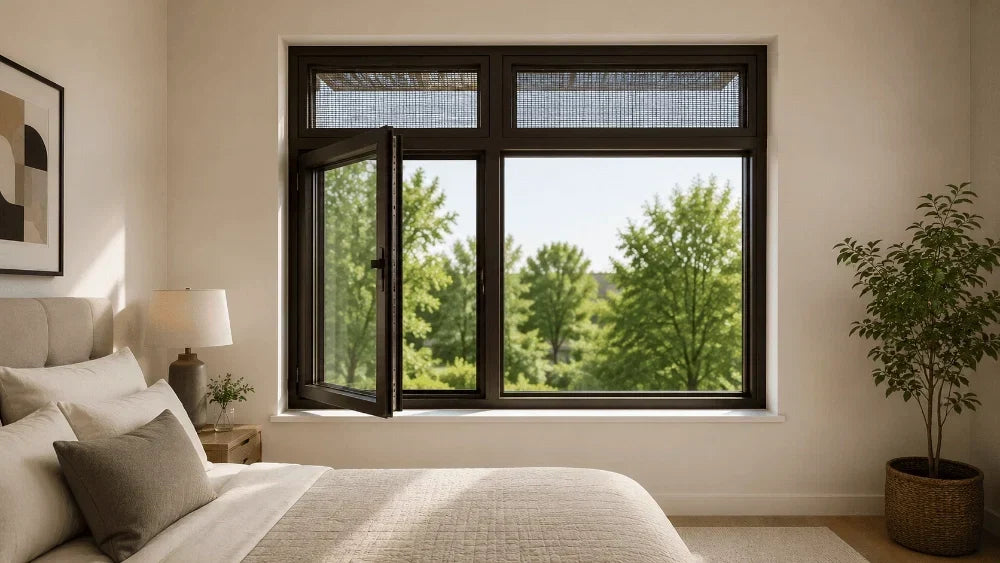
Bedrooms and living rooms often need ventilation, daylight, acoustic comfort, and simple maintenance. Operable aluminum windows should be easy to use, but they must also work with screens, safety needs, and furniture layouts. Opening direction and handle height should be checked before the schedule is approved.
Kitchens, Bathrooms, and Utility Rooms
Moisture, ventilation, and privacy matter more in kitchens and bathrooms. A smaller aluminum window may need practical handle access and an opening method that does not interfere with cabinets, counters, or interior finishes. Where privacy is needed, glass type should be confirmed early.
Corridors and Amenity Areas
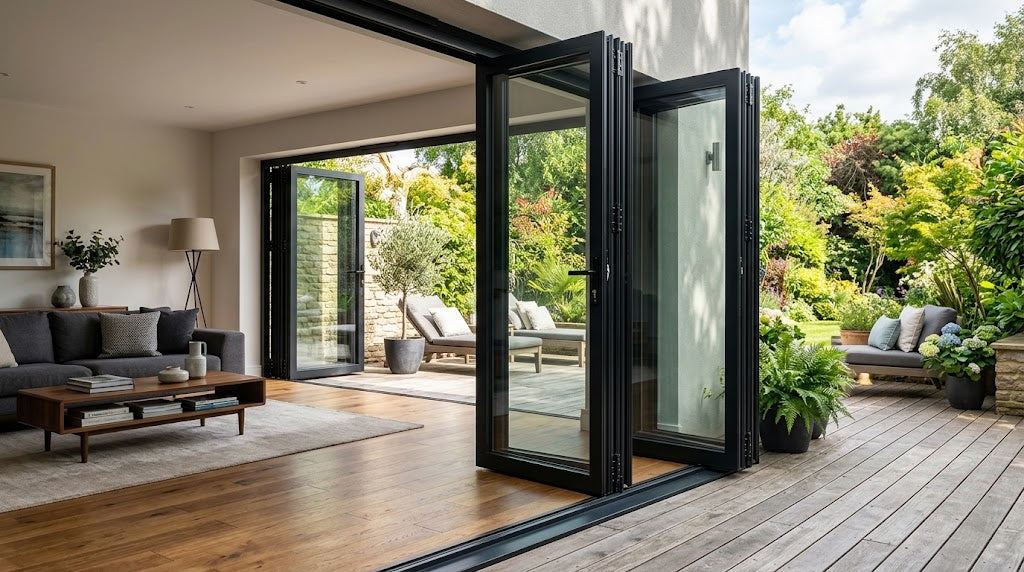
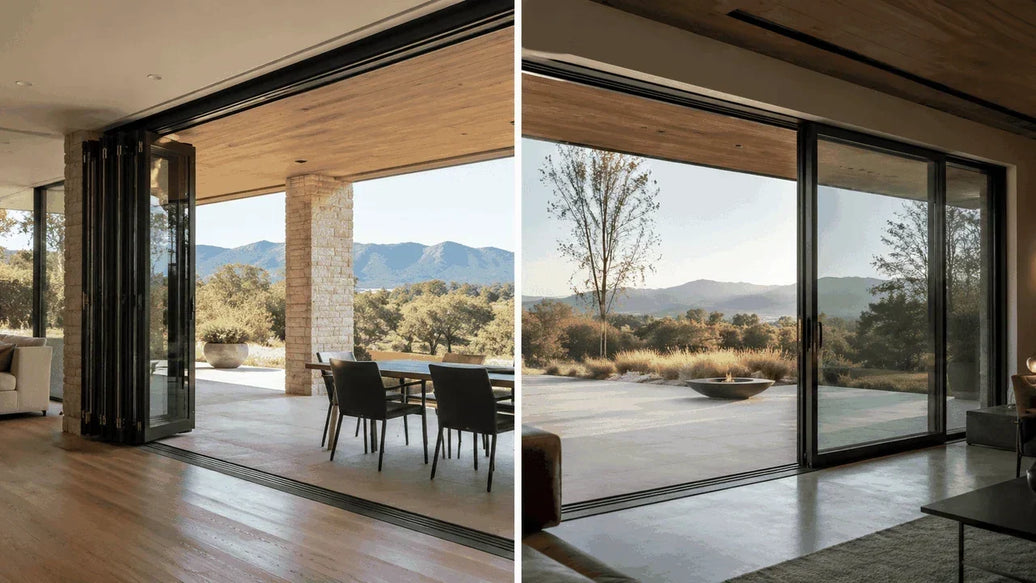
Corridors, lounges, gyms, and shared spaces may require fixed windows, tilt-turn units, or other controlled-opening solutions. These areas often face more public use, so frame durability, cleaning access, and hardware protection should be reviewed before ordering.
Product Fit: Large Aluminum Casement Windows
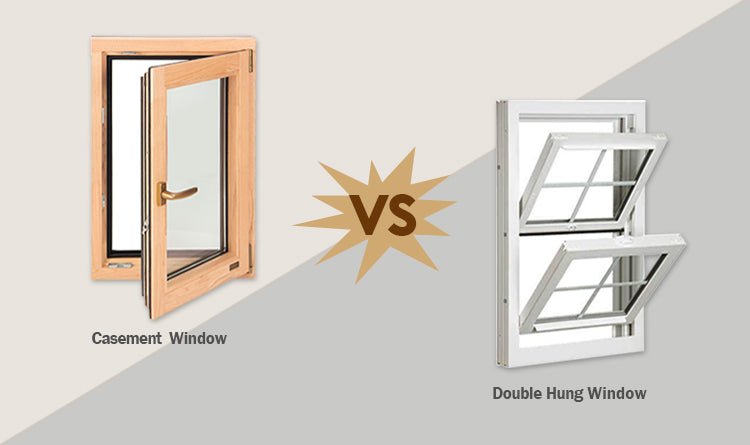
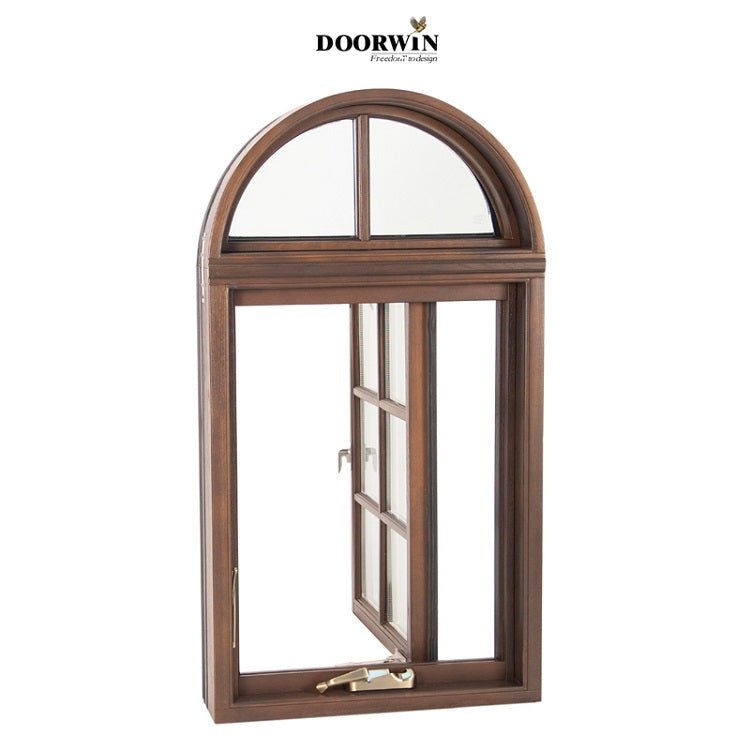
For multifamily projects that need slim frames, modern profiles, and project-ready aluminum window options, Large Aluminum Casement Windows can be considered as one example.
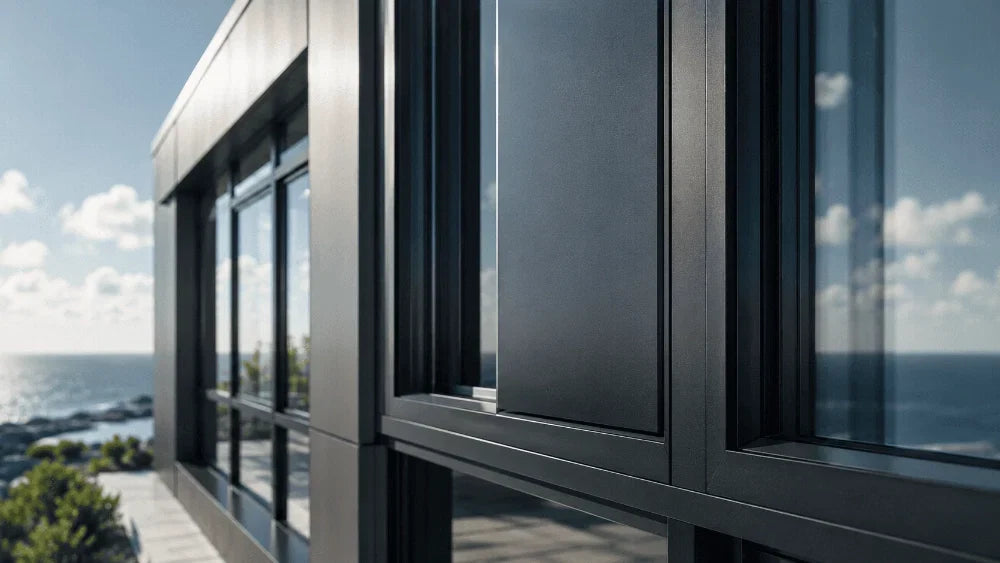
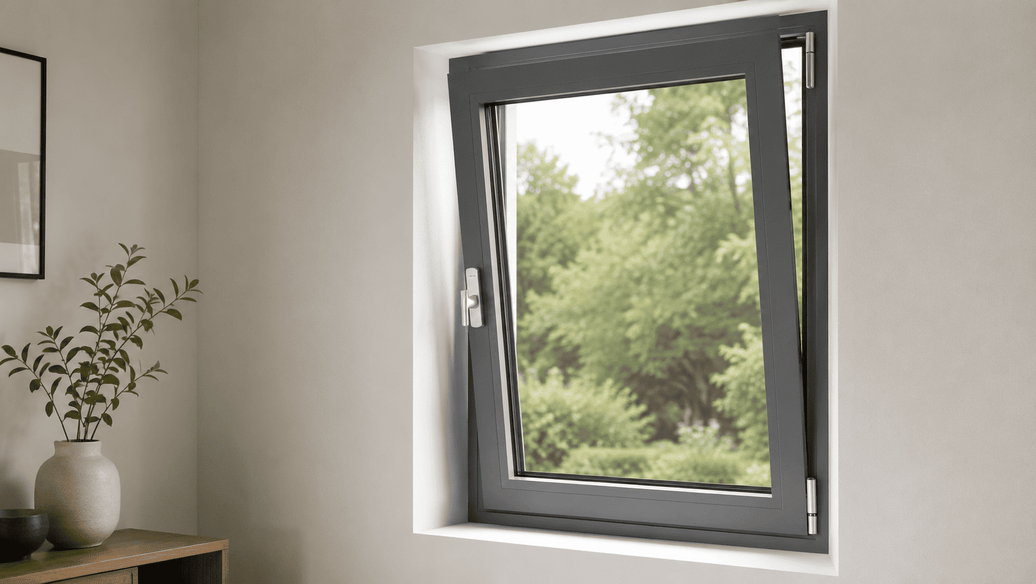
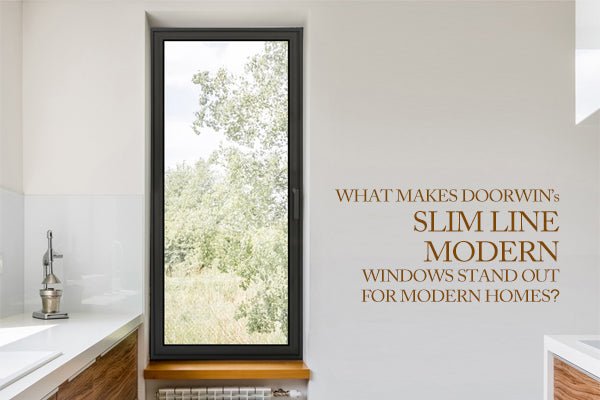
This product is positioned as an ultra-narrow frame window system, with a frame design described as 35% slimmer than regular frames. It uses Belgium-origin Sobinco hardware, concealed hinges, and an escutcheon-free handle for a cleaner appearance. The product page also describes double, laminated, or triple glazing options for thermal and sound insulation, along with performance certification coverage for permeability, water tightness, wind resistance, thermal conductivity, and noise reduction.
For broader project comparison, Luvindow offers window and door systems for residential and commercial applications. Teams planning mixed window packages can also review all windows when comparing different opening types.
Installation Planning Should Start Before Delivery
The best window specification can still fail if delivery and installation are not coordinated. Multifamily projects need floor-by-floor planning rather than a simple shipment list.
Label by Floor, Unit, and Opening Type
Each window should be traceable to its location. Labels should connect the product to the floor, unit number, elevation, and opening mark. This reduces sorting time when many window sizes look similar on site.
Align Delivery with Site Readiness
Delivery should match the construction sequence. If windows arrive too early, the site may need extra storage space and weather protection. If they arrive too late, facade work and interior finishing may be delayed. Large glazed units also need handling plans, crane or hoist access, and safe storage routes.
Confirm Wall Interface Details
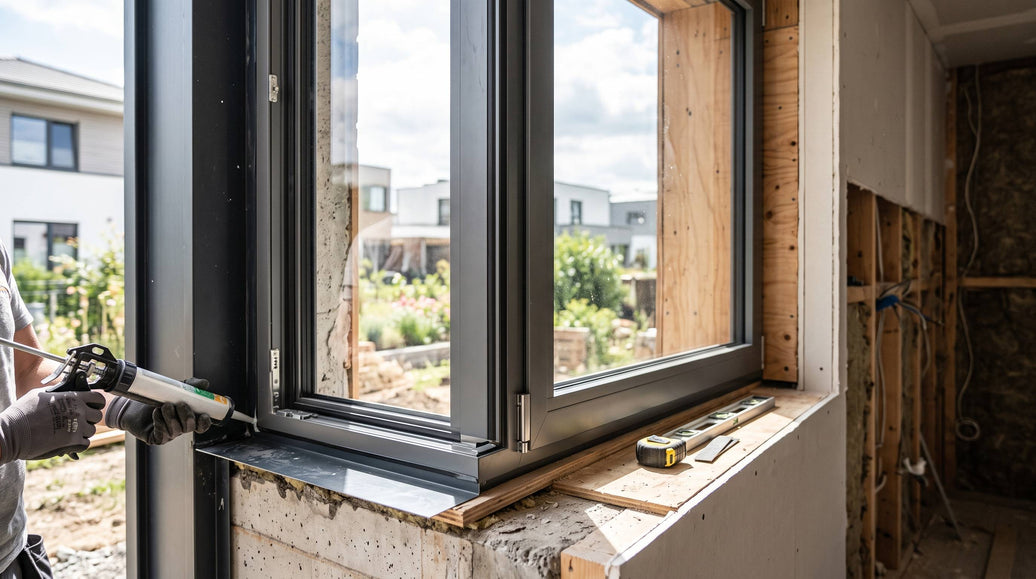
Installers should review rough opening tolerance, sill preparation, anchoring method, drainage route, sealant compatibility, and interior finish sequence before installation begins. These details affect both performance and schedule.
Procurement Questions Developers Should Ask
Before issuing a purchase order, developers should ask whether every window type is clearly coded. Size, finish, opening direction, glass package, screen type, and hardware should be easy to identify from the window schedule.
Supplier Drawing Review and Technical Support
They should also ask whether the supplier can support drawing review. Shop drawings, section details, mullion connections, drainage details, and installation notes should be checked before production.
Long-term maintenance also matters. If a unit needs glass, screen, or hardware replacement later, the project team should be able to identify the original window type and compatible parts.

Risks to Control in Multifamily Aluminum Window Projects
The first risk is mixed specifications across similar units. Similar elevations may still need different opening directions, glass packages, or hardware. Poor coding can create rework.
The second risk is settling thermal performance too late. If thermal-break frames and glass requirements change after drawings are approved, budget, lead time, and installation details may all be affected.
The third risk is receiving windows before the site is ready. Storage damage, misplaced units, and repeated handling can reduce the advantage of a well-planned order.
Conclusion
Aluminum windows for multifamily projects should be specified as a coordinated building package. Thermal breaks matter, but unit consistency, window schedules, labeling, delivery batches, installation tolerance, and long-term replacement planning are just as important.
For apartment, condo, or rental housing projects that require aluminum windows with practical project coordination, share your drawings, window schedule, glass requirements, and installation timeline with Luvindow so the package can be reviewed before ordering.
FAQ
Q:Are aluminum windows suitable for multifamily projects?A:Yes, when the frame, glass, hardware, finish, and installation method match the building type. Developers should also check unit consistency, opening direction, delivery batches, and long-term replacement needs.
Q:Why are thermally broken aluminum windows important for apartments and condos?A:They can help reduce heat transfer through the frame compared with standard aluminum designs. Final performance still depends on glazing, spacer, sealing, installation, and climate conditions.
Q:What should developers prepare before ordering multifamily windows?A:Developers should prepare elevation drawings, window schedules, unit types, opening sizes, glass requirements, finish colors, hardware preferences, installation details, and delivery sequence.