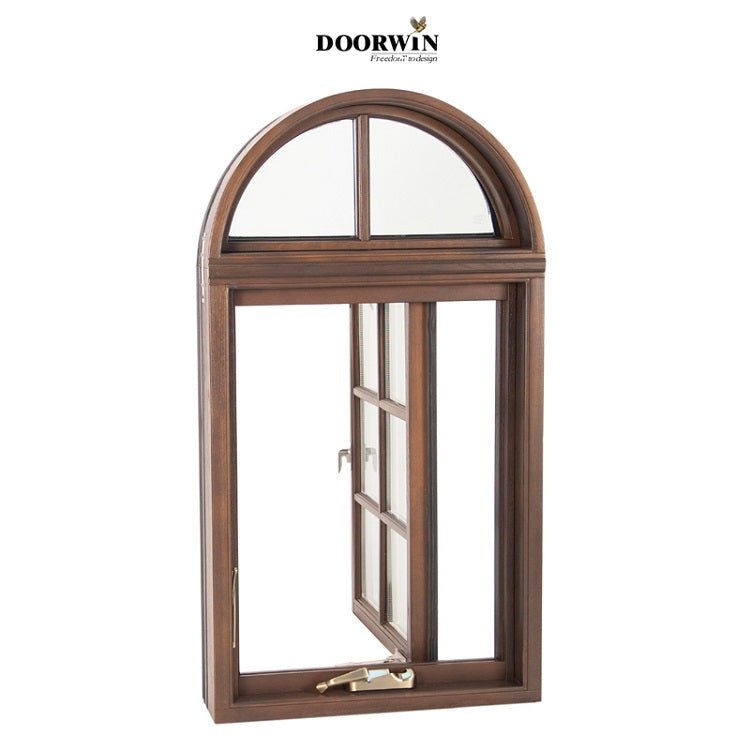
For builders, contractors, architects, and residential project teams, window selection matters beyond design alone. It shapes thermal performance, ventilation, installation planning, and long-term maintenance. The feel of each room after handover also depends on these choices. Wood casement windows stand out in this regard. They deliver visible interior character while featuring a functional sash that opens outward.
In energy-efficient residential projects, the right specification should answer several practical questions early. What frame material can support both design and weather exposure? What glass package fits the climate and performance target? Will the crank mechanism work well in daily use? Can the finish, hardware, and installation details remain consistent across the full project?
This guide explains how to specify wood casement windows from a B2B project perspective, with a focus on frame construction, glass performance, hardware, application fit, and ordering checks.
Why Wood Casement Windows Matter in Residential Specification
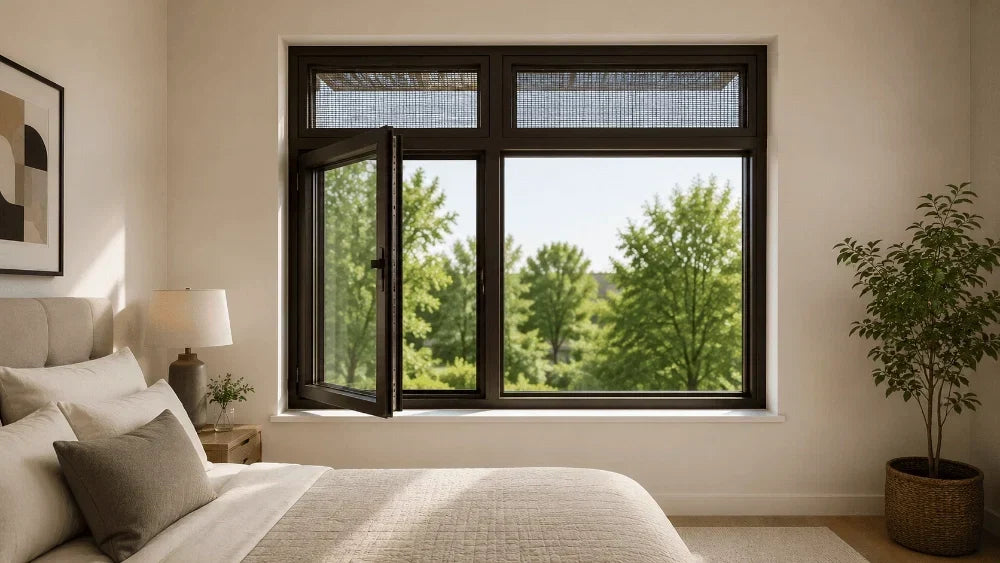
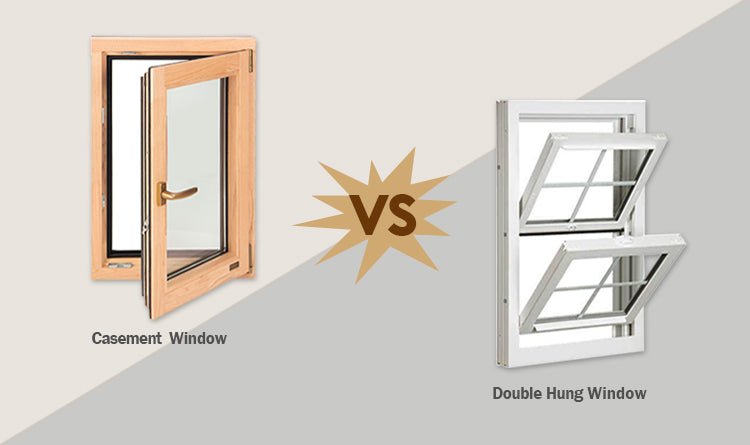
Wood casement windows are often selected for homes that need a warmer interior appearance without giving up controlled ventilation. Unlike sliding windows, a casement sash opens outward from the side. When fully open, the sash can help bring more fresh air into the room while keeping the interior clear of moving panels.
For project teams, this opening style is useful in spaces where airflow, view, and access all matter. Bedrooms, living rooms, upper-floor spaces, and kitchen areas can all benefit from a crank-out design, especially when the window is placed above a counter or in another hard-to-reach area.
Match the Window Type with Room Function
A good specification starts with the room. A kitchen window above a sink needs easy operation. A bedroom window may need secure ventilation. A living room may prioritize daylight and a clean view. A custom home may need all of these features while keeping the exterior elevation consistent.
Casement windows can support these needs because the sash opens outward and does not take up interior space. This makes furniture placement easier and helps designers maintain clean wall layouts. For residential builders, this also reduces the chance of function-related complaints after installation.
Avoid Choosing by Appearance Alone
Wood interiors can make a space support a more considered design result, but appearance alone is not enough for a professional specification. The frame, glass, hardware, sealing system, size range, and exterior finish all need to work together.
For energy-efficient residential projects, the better approach is to define performance requirements first, then match the visual design. This prevents the project from choosing a window that looks right in drawings but falls short in thermal comfort, long-term operation, or exterior durability.
Frame Specification: Balancing Wood Warmth and Exterior Durability
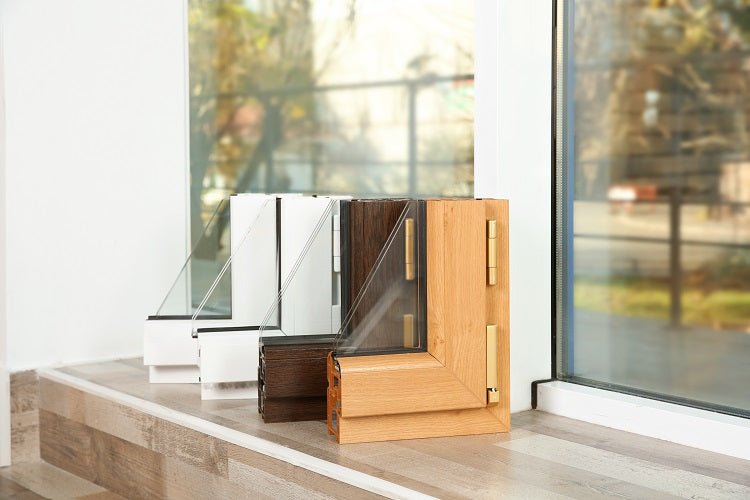
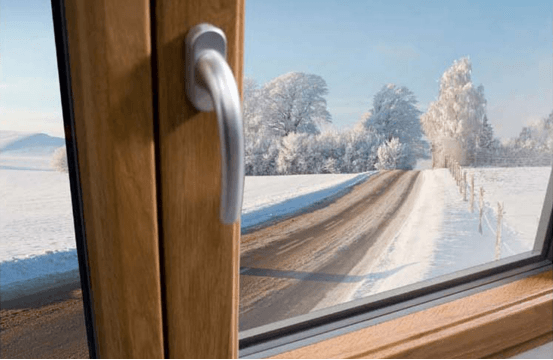
The frame is one of the most important decisions in a wood window package. Full wood windows can offer a traditional interior and exterior appearance, but they may require more exterior care in demanding climates. Aluminum-clad wood windows offer a practical alternative for many residential projects because they keep the wood character on the inside while adding a more durable outer surface.
Wood Interior for Residential Design Value
A wood interior works well in custom homes, traditional houses, transitional interiors, and warm modern spaces. It can soften a room visually and pair well with wood flooring, trim, cabinetry, and natural interior finishes.
For Builders and Designers, This Matters Because Windows Are Visible
For builders and designers, this matters because windows are visible design elements. A project may use the same window type across multiple rooms, so the interior finish must support the overall design language. A consistent wood finish can help the home feel more complete rather than assembled from unrelated components.

Aluminum Exterior for Weather Exposure
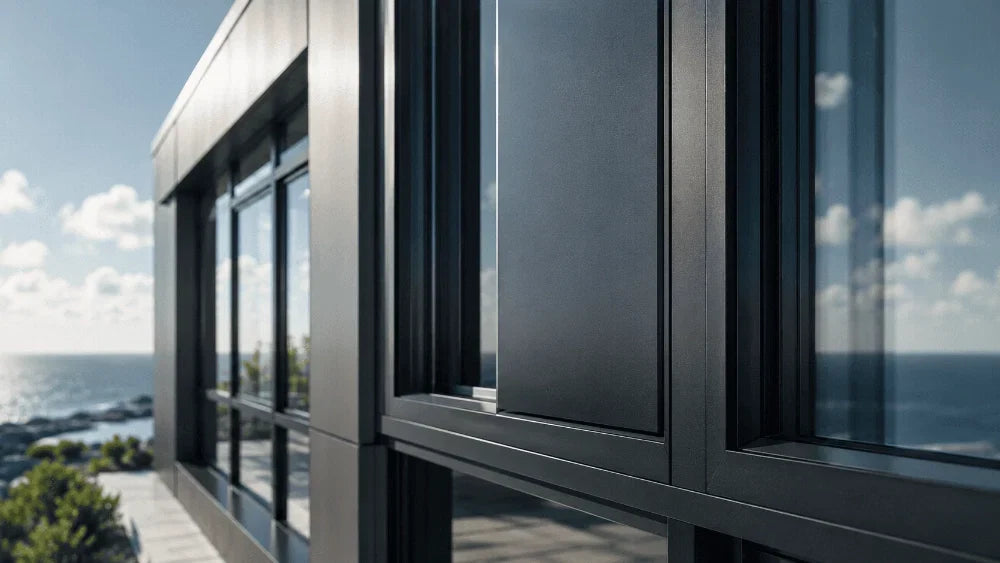
Aluminum-clad wood windows are often useful where the exterior face must handle sun, rain, wind, and seasonal temperature changes. The aluminum cladding helps reduce maintenance pressure while the interior still keeps the visual value of wood.
For a professional specification, the exterior finish should be confirmed with the project location in mind. Coastal homes, sunny regions, cold climates, and urban projects may all need different coating expectations. Teams should confirm exterior color, coating type, finish durability, and maintenance requirements before final ordering.
This is where product matching becomes important. Luvindow offers window systems for residential and project-based applications, and the specification should be selected based on the actual opening, climate, and design goal rather than a single visual preference.
Glass Package: What Makes Casement Windows Energy Efficient
Frame material matters, but glass usually carries a large share of the thermal responsibility. In energy efficient casement windows, the glass package should be reviewed early because it affects comfort, condensation control, sound reduction, and energy code alignment.
Low-E Coating and Argon-Filled Glass
Low-E glass helps manage heat transfer through the window surface. Argon-filled insulated glass units can further reduce heat movement between panes. When combined with a tight casement sash and a suitable frame, this type of glass package can support better indoor comfort in both heating and cooling seasons.
Double pane casement windows are often a practical choice for many residential projects. They can balance performance, cost, and weight more efficiently than more complex glazing packages in some applications. However, the final choice should depend on the climate zone, window size, project budget, and required performance target.
Why U-Factor Should Be Confirmed Early
The U-factor is a key number in energy performance discussions. A lower U-factor generally indicates better insulation performance. For builders and developers, this should not be checked late in procurement. It should be part of early specification review, especially when the project has energy performance goals or local code requirements.
If the project involves large window areas, high-exposure elevations, or rooms that need stable indoor comfort, the glass package becomes even more important. A small difference in window specification can affect how the home feels after occupancy.
Hardware and Sealing: Small Details with Long-Term Impact
Hardware is easy to overlook during early selection, but it often decides how the window performs in daily use. A window can have a strong frame and good glass, yet still create service issues if the crank, hinges, locking points, or handle system are not suitable for the sash size and use frequency.
Crank Operation and Accessibility
Crank-out casement windows are useful where users need easy operation without reaching across a deep surface. Kitchen sinks, laundry areas, bathroom walls, and upper-floor rooms are common examples. The crank handle lets the sash open outward with controlled movement, which is valuable for both comfort and accessibility.
This opening style also supports ventilation because the sash can open fully. In rooms where natural airflow is part of the design strategy, the casement format can perform better than window types with partially blocked openings.
Sealing and Locking Performance
Casement windows usually close by pulling the sash against the frame. When the hardware and seal are properly specified, this compression can help reduce unwanted air movement. That is one reason energy efficient casement windows are often considered for performance-focused residential projects.
For B2B buyers, the question is not simply whether the window has good hardware. The more useful questions are: Is the hardware suitable for the sash size? Does the locking system support stable closure? Is the handle comfortable for repeated use? Can the supplier provide consistent hardware across the full order?
Where This Window Type Works Best
Wood casement windows are not the answer for every opening. They work well when the project needs a mix of design warmth, outward ventilation, energy performance, and reliable long-term operation.
Custom Homes and High-End Residential Builds
Custom homes often require a stronger link between performance and interior design. The window must meet practical requirements while also supporting the home’s visual identity. Wood interiors help with this because they feel more integrated with residential materials than plain metal interiors.
For builders, this is useful in projects where clients care about the details but still expect durable performance. The window can support both the interior design plan and the technical requirements of the exterior wall system.
Replacement Projects and Hard-to-Reach Openings
Replacement projects often bring extra constraints. Existing openings may limit the frame size, and some rooms may have fixed counters, furniture, or wall conditions that make operation difficult. Crank-out casement windows can help because the handle is easier to use than a sash that must be pushed, pulled, or lifted manually.
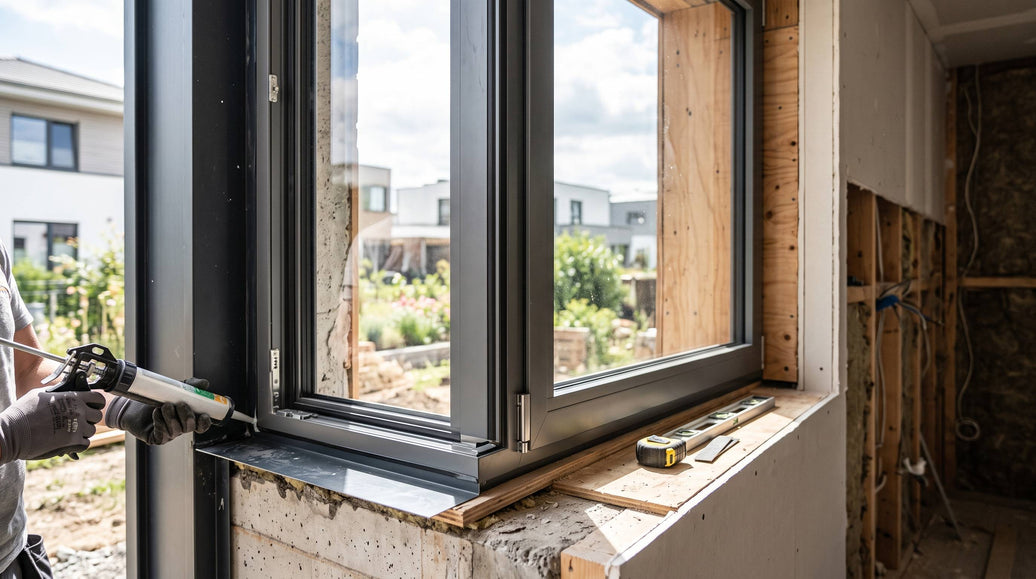
For these conditions, double pane casement windows with Low-E glass can offer a balanced specification for many renovation projects. Teams should still confirm the existing wall condition, drainage path, opening size, and installation method before ordering.
Product Fit: Wood Finished Crank Open Casement Windows
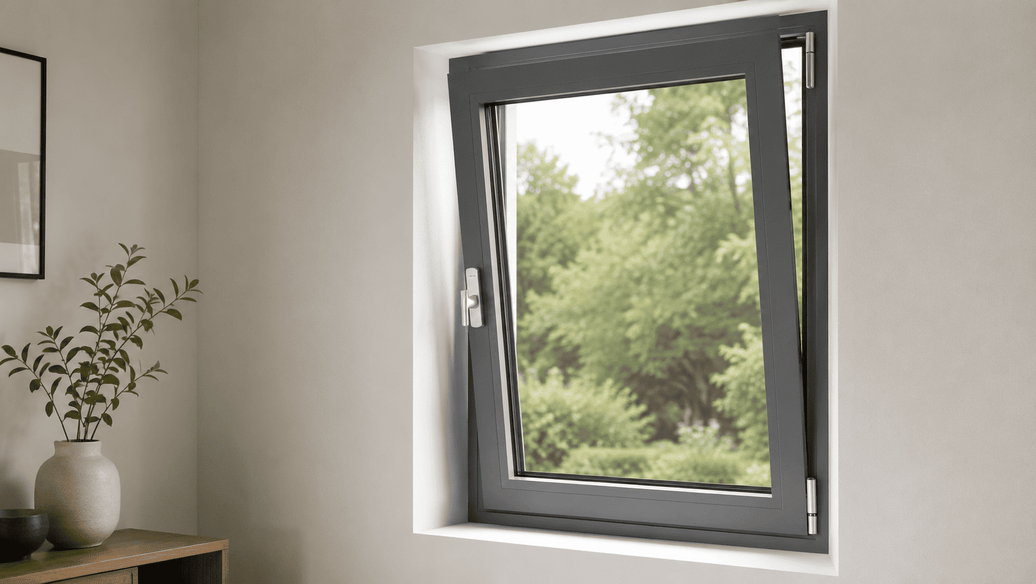
For projects that need a wood interior, aluminum exterior protection, crank-out operation, and energy-focused glazing, Wood Finished Crank Open Casement Windows can be considered as a specification option.
This product uses a red oak wood interior with an aluminum exterior. The listed glass unit is 5mm+12A+5mm double glazing with fully tempered glass, Low-E coating, and argon filling. The hardware configuration includes Germany-origin SIEGENIA hardware and HOPPE handles. The product information also presents a U-factor of 0.28, which makes it relevant for projects where insulation performance is part of the selection process.
The aluminum exterior can be finished with options such as powder, fluorocarbon, anodised, or woodgrain coating, depending on project requirements. For B2B teams, these details are useful because they connect appearance, exterior exposure, and maintenance planning in one specification.
For broader window planning, project teams can also review custom and high-performance windows to compare other window types before finalizing a complete residential package.
Specification Checklist Before Sending an Inquiry
A clear inquiry helps reduce revisions, delays, and mismatched expectations. Before sending drawings or requesting a quotation, builders and contractors should prepare the main project details.
Project and Opening Details
Confirm the project type, location, opening sizes, quantity, wall condition, room function, and whether the work is new construction or replacement. For renovation projects, photos and existing frame details can also help the supplier check feasibility.
Performance Requirements
Define the target performance level before discussing finishes. Important items include U-factor expectations, glass type, Low-E requirement, sound control needs, climate exposure, and any local code considerations. This is especially important for energy-efficient residential projects with large glass areas or strict comfort goals.

Design and Ordering Details
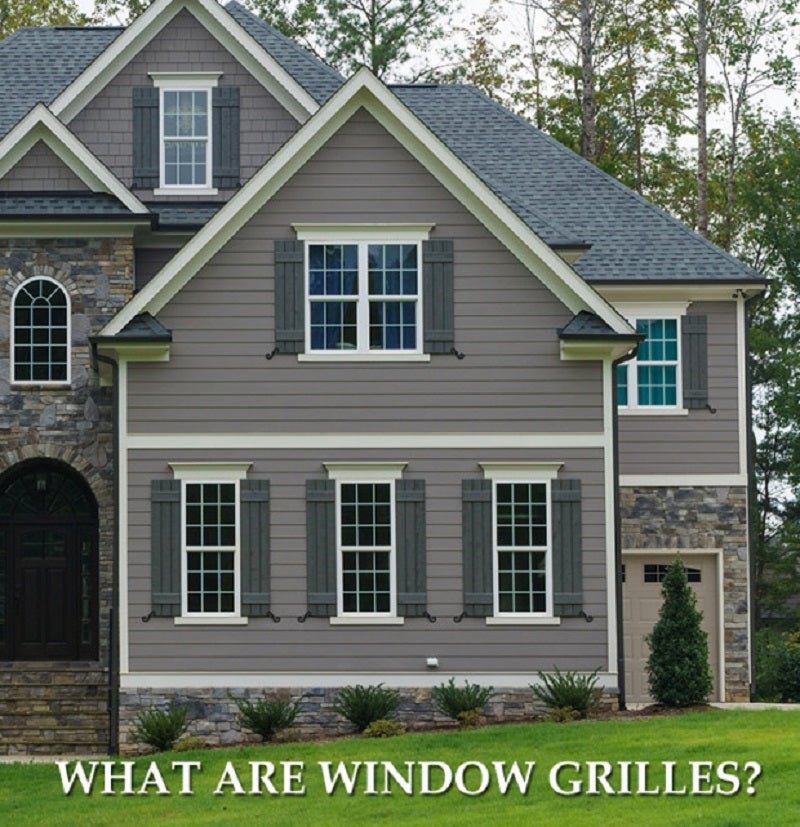
Confirm interior wood finish, exterior aluminum color, hardware style, screen option, grille pattern, opening direction, delivery schedule, and installation support needs. These details may seem small, but they affect both the finished look and the installation workflow.
If your team is preparing drawings or reviewing window schedules, you can start a project discussion with sizes, performance needs, and design preferences so the specification can be checked before ordering.
Common Mistakes When Specifying Wood Casement Windows
The first mistake is treating the window as a decorative item only. A wood interior is valuable, but it should not distract from glass performance, hardware quality, and exterior exposure.
The second mistake is waiting too long to confirm opening direction and handle placement. These details affect furniture layout, exterior clearance, screens, and user experience.
The third mistake is using the same specification for every climate. A window package that works well in a mild region may need adjustment for colder areas, hot sunny regions, coastal exposure, or high-noise locations.
The fourth mistake is ignoring clearance constraints. Outward-opening sashes can obstruct exterior walkways or patios, while their interior-mounted screens require careful planning for indoor trim and window treatments.
A better specification process starts with the project’s performance goal, then narrows the frame, glass, hardware, and finish options. That approach helps builders deliver homes that meet the intended design and perform consistently after installation.
Conclusion
Specifying wood casement windows for residential projects requires more than choosing a wood finish. Reliable results come from a balanced review of frame construction, glass package, crank operation, hardware quality, exterior exposure, and installation requirements.
For energy-efficient residential projects, aluminum-clad wood windows can offer a useful combination. They deliver wood warmth on the inside. They also provide exterior durability on the outside. In addition, they include a glass package that supports indoor comfort. When the sash, seal, hardware, and glazing are selected as a complete system, the window becomes part of the home’s long-term performance. It serves as more than a design feature.
FAQ
Q:Are wood casement windows suitable for energy-efficient residential projects?A:Yes, if the frame, glass, sealing system, and hardware are specified correctly. Wood interiors support residential design value, while Low-E argon-filled glass and suitable hardware can help improve comfort and reduce unwanted air movement.
Q:Are aluminum-clad wood windows better than full wood windows for exterior durability?A:For many residential projects, aluminum-clad wood windows offer a practical balance. The interior keeps the warmth of wood, while the aluminum exterior helps reduce maintenance pressure from outdoor exposure.
Q:What should builders check before ordering double pane casement windows?A:Builders should confirm opening size, U-factor target, Low-E coating, argon fill, glass thickness, hardware brand, screen option, interior finish, exterior color, opening direction, and installation requirements before ordering.