


Casement windows serve as a reliable option for energy-efficient homes. They blend secure sealing, managed ventilation, and versatile design. When the sash, frame, glass, hardware, and installation elements coordinate effectively, this window style can enhance comfort. At the same time, it promotes a neater architectural look.
For homeowners, builders, and designers, picking windows goes beyond external appearance. A suitable window must aid in handling heat, cutting drafts, admitting daylight, and staying useful for everyday activities. That explains why energy efficient casement windows keep showing up in fresh builds, renovations, villas, and tailored residential works.
Why Window Design Affects Energy Performance
A home might include solid wall insulation and dependable HVAC systems. However, poorly performing windows can still lead to uneasy rooms. Problems such as heat entry, heat loss, air infiltration, moisture formation, and outside noise tend to stand out near window spaces.
Air Sealing Starts with the Sash
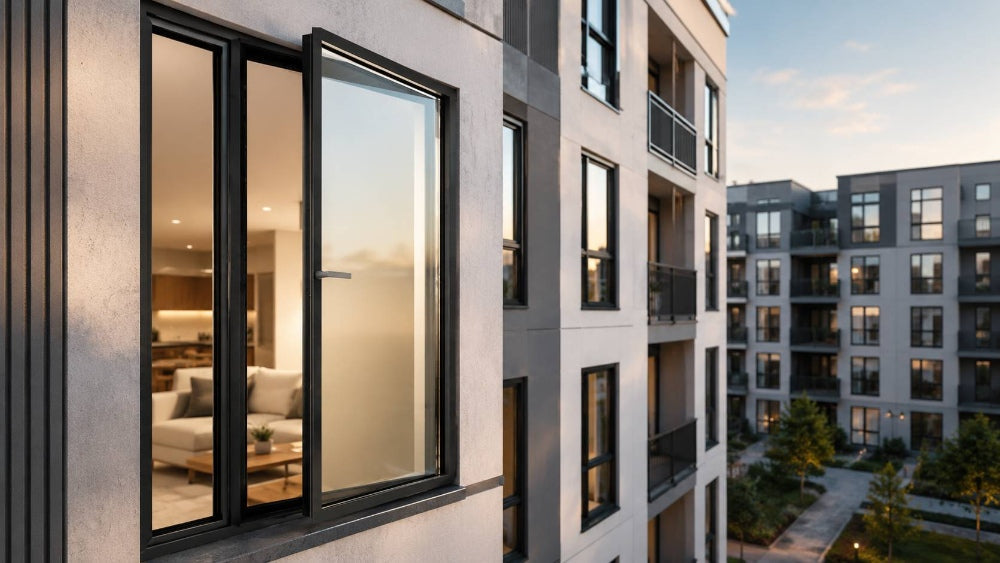
A casement sash generally shuts against the frame instead of moving along a track. This setup can foster firmer contact between the sash and weatherstripping. When the hardware draws the sash uniformly into position, the window can resist drafts more effectively. It also helps maintain a steadier indoor temperature.
This does not imply all products work identically. Frame standards, lock locations, seal layout, and installation each play a role. A properly constructed unit provides the window style with its actual benefit.
Glass Controls Much of the Heat Transfer
The glass portion frequently occupies most of the window area. Therefore, glazing deserves careful attention. Double-pane glass, Low-E coatings, gas fill, warm-edge spacer systems, and fully tempered glass can each elevate the efficiency of the insulated glass unit.
This holds particular importance for sizable residential openings. There, owners desire daylight and vistas without extreme heat entry or heat exit. In such cases, double pane casement windows deliver a reasonable equilibrium among energy efficiency, visual ease, and structural load.
How Casement Windows Improve Daily Comfort
The advantage of casement windows shows up after placement. People choose them not merely for looks. They influence how individuals utilize the room on a regular basis.
Controlled Ventilation
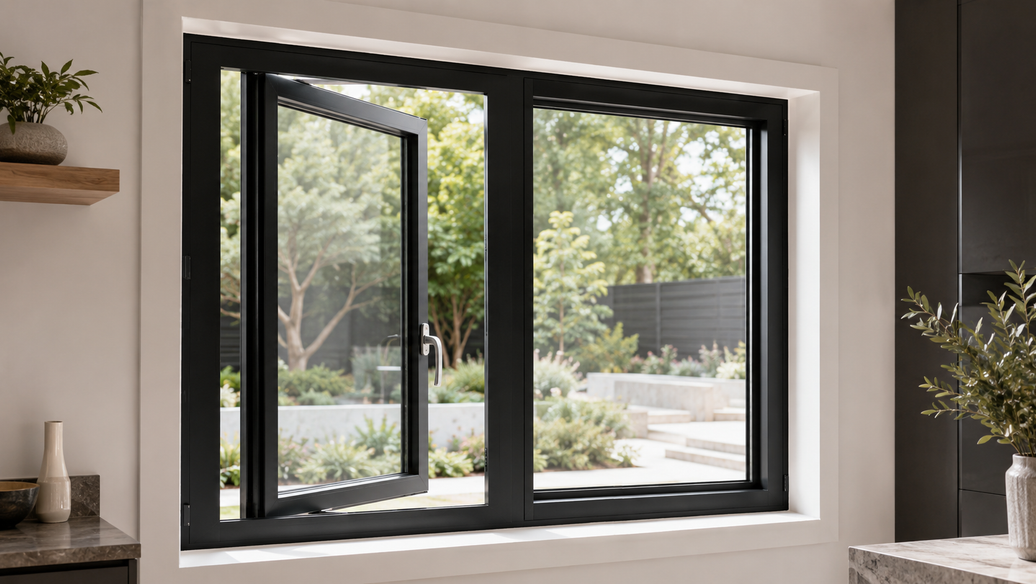
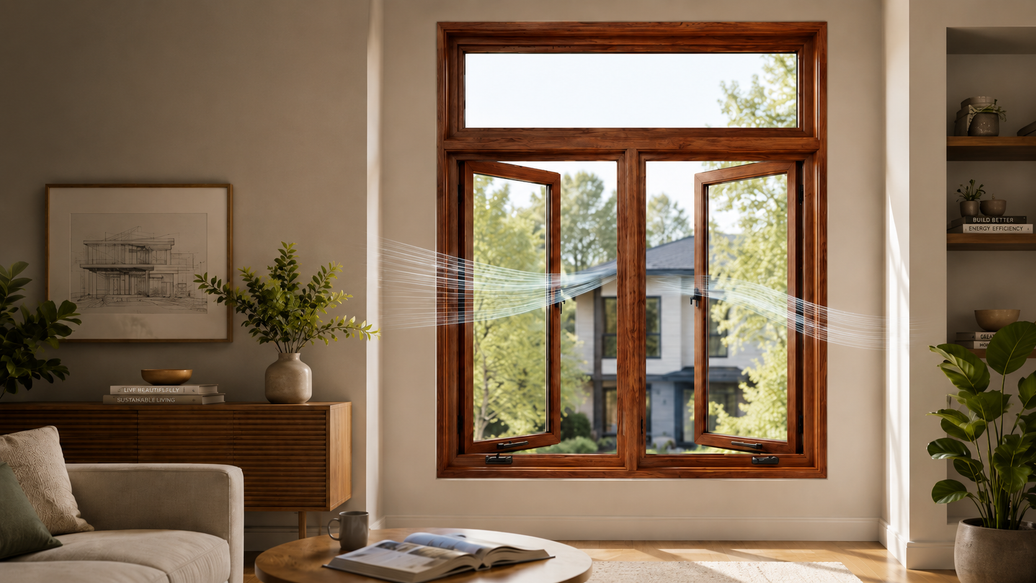
Since the sash opens from the side, this window type can form a broad route for fresh air. It can also capture breezes from the sides, based on the home's arrangement and wind patterns. During moderate weather, this encourages natural ventilation. It might decrease reliance on mechanical cooling at specific times.
For bedrooms, living rooms, dining spaces, and higher levels, managed airflow can make the space more comfortable. It does so without exposing the opening completely.
Better Sealing When Closed
Energy efficient casement windows gain appreciation for their shutting technique. After the sash closes and locks, the frame and seal can collaborate to limit undesired air flow. This proves relevant in warm and cold regions alike. There, minor gaps can impact comfort close to the window.
Buyers should examine the entire specification nonetheless. A fine frame with subpar hardware will fall short of expectations. A robust glass package with inadequate installation will similarly diminish in worth at the location.
A Clean Look for Custom Homes
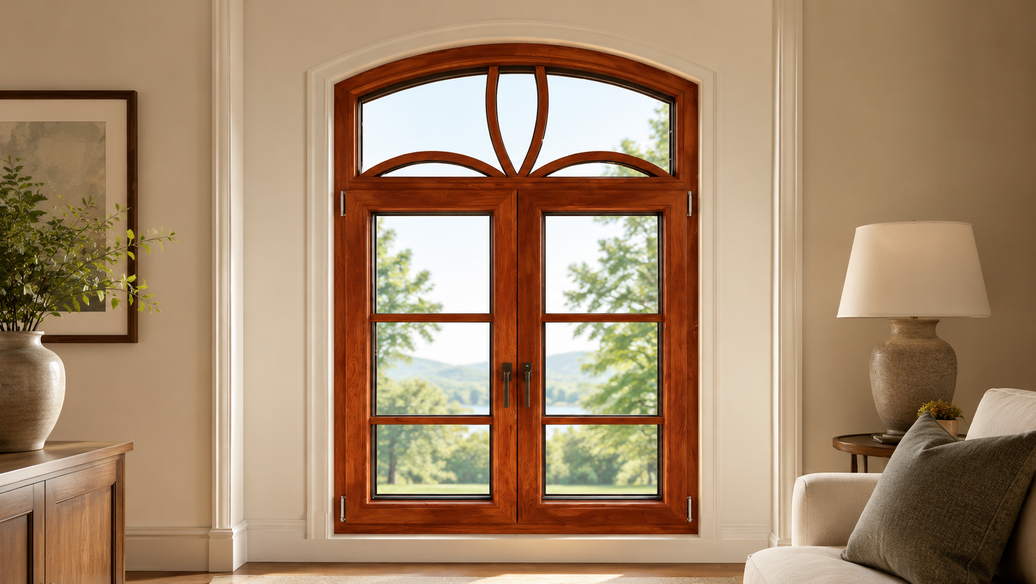
Casement designs function effectively in classic, transitional, and modern residences. With the appropriate grille pattern, finish, and frame material, they can bolster a traditional villa aesthetic or a simpler contemporary front. French casement windows prove particularly fitting when the work demands a more polished, balanced appearance.
What Makes a Casement Window Energy Efficient
A window achieves energy efficiency via the complete system, not via one element alone. Buyers must assess frame material, insulated glass, hardware, weatherstripping, and installation preparation prior to ordering.
Double-Pane Low-E Glass
Double pane casement windows utilize two glass layers separated by an insulating gap. Low-E coating assists in regulating radiant heat, while fully tempered glass boosts safety and resilience. For residential works needing both comfort and daylight, this blend offers a sensible foundation.
In expansive villas or tailored homes, glass selection grows even more critical. Wide openings yield appealing views. Yet, they heighten the requirement for thermal regulation. A superior insulated glass unit aids in keeping the interior more consistent through seasons.

Hardware and Locking Points
Hardware influences more than just handling. Hinges, locks, handles, and multi-point locking systems assist the sash in closing uniformly. Improved alignment can bolster sealing efficiency and enhance the user experience over the years.
For custom residential projects, hardware should be evaluated early. It affects sash dimensions, opening direction, security, upkeep, and ongoing operation.
Why Wood-Clad Aluminum Works for Residential Projects
Frame material impacts both efficiency and aesthetics. Certain buyers seek the warmth of wood. Yet, they also require durability and simpler upkeep on the outside. Wood-clad aluminum windows can fulfill that requirement when the project calls for a polished indoor surface and a more robust outer profile.
Interior Warmth with Exterior Strength
Wood within the home imparts a gentler and more classic feel to the room. It can align with flooring, cabinetry, furniture, and trim elements. Aluminum on the outside helps safeguard the structure against sun, rain, and routine weather contact.
This explains why wood-clad aluminum French casement windows can perform well for villas, custom homes, and residential projects. These need both architectural personality and practical efficiency.
Teak Interior Cladding for a Refined Finish
The Newport Beach project behind the Grill Design Wood French Casement Windows uses teak wood interior cladding with aluminum profiles. Teak gives the interior a richer, warmer look, while the exterior aluminum profile supports durability and lower maintenance.
This renders the window appropriate for projects where the window forms part of the interior design, not merely a building aperture.
Better Fit for Large Glazed Areas
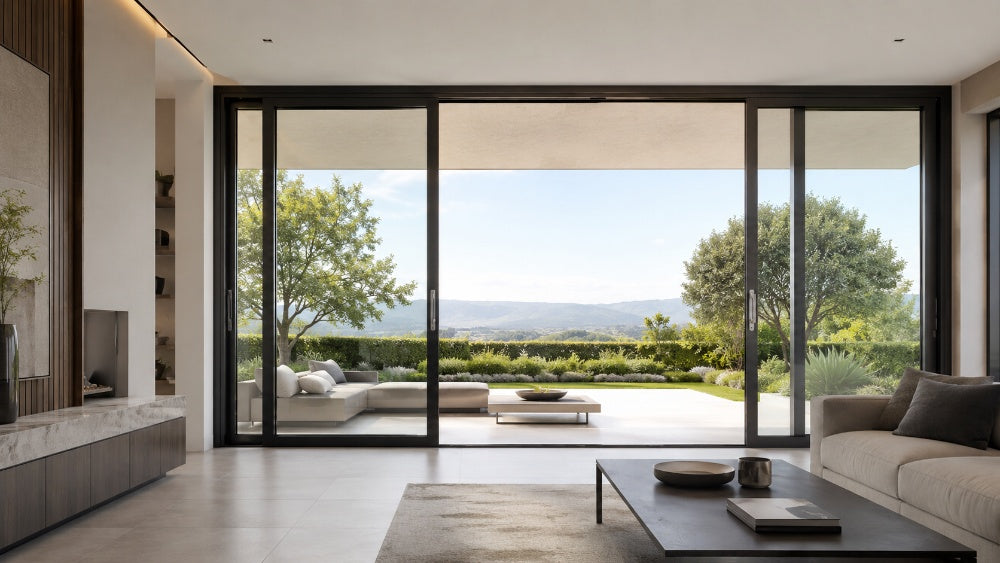
Large openings introduce more daylight into a home. However, they also amplify the need for sturdier profiles and dependable glazing. The product page shows high floor-to-ceiling glazed structures. These aim to boost daylight entry. At the same time, the teak-clad thermal break aluminum profile aids insulation, corrosion resistance, and weather resistance.
For buyers preparing large residential openings, frame strength and glass efficiency should be assessed together.
Where French Casement Windows Work Best
French casement windows prove helpful when a project requires both ventilation and architectural harmony. They can fit in living rooms, bedrooms, dining areas, stair sections, and villa fronts where balanced window arrangements form part of the design.
Living Rooms and View-Focused Spaces
In living rooms, the aim often involves admitting daylight while preserving space comfort. Expansive casement setups can open the room visually. They also permit improved air circulation during fitting weather. When matched with Low-E double-pane glass, they can help curb undesired heat flow through the window zone.
Bedrooms and Quiet Interiors
Bedrooms demand steady comfort, privacy, and silence. A properly sealed casement system can assist in reducing drafts. Meanwhile, an insulated glass unit can promote better sound management. The outcome depends on the complete window package. Still, the correct specification can make bedrooms feel more uniform across seasonal shifts.
Custom Villas and High-End Residential Projects
French casement designs match homes where looks matter equally to efficiency. Grille patterns, wood interiors, profile color, glass selection, and hardware finish can all be modified to suit the architectural approach.
For buyers still comparing window types and frame materials, browsing Luvindow window solutions can help clarify which products fit the project’s design and performance goals.
What Buyers Should Check Before Ordering
A professional window purchase should not end at the product title. Buyers must examine the full specification and the installation strategy.
Check the Glass Package
The glass package must align with the climate, room orientation, and building standards. Low-E double-pane glass represents a reasonable choice for many homes. However, various climates might demand different coatings or glazing setups.
Check the Frame Structure
Frame material should correspond to the project's priorities. Thermal break aluminum bolsters durability and improves insulation. Wood interior cladding bolsters a warmer appearance. Together, they can form a beneficial equilibrium for custom homes.
Check Hardware and Operation
French casement and tilt-turn systems rely on accurate hardware. The linked product employs a tilt-turn opening method. There, the handle position lets the window act as a casement or as a top-opening hopper. This provides the project with greater ventilation options without altering the overall window style.
Check Installation Support
Even a sturdy product can fail to meet standards if installation elements are lacking. Rough opening setup, flashing, shimming, sealing, drainage, and adjustment must be organized before the product arrives at the site. For bigger custom homes, drawings and technical assessments help cut down on jobsite errors.
A broader review of custom window options can help buyers compare frame types, opening styles, glass packages, and design choices before finalizing the order.
Final Thoughts: Choosing Casement Windows for Long-Term Comfort
Casement windows represent a wise selection for homes centered on energy when chosen as a full system. The finest outcomes arise from a sturdy frame, insulated glass, dependable hardware, appropriate sealing, and thorough installation.
For projects requiring a warmer interior surface, enhanced exterior durability, and a polished residential look, wood-clad aluminum French casement windows deserve consideration. The proper arrangement can bolster daylight, ventilation, comfort, and enduring design worth without rendering the home overly mechanical or commercial.
If you are planning a villa, remodel, or custom residential project, send your project details to our team. We can help review window type, frame material, glazing options, opening function, and design requirements before production.
FAQ
Q: Are French casement windows good for energy-efficient homes?
A: Yes. When paired with thermal break frames, Low-E double-pane glass, quality seals, and reliable hardware, French casement windows can support better comfort, ventilation, and indoor temperature stability.
Q: What is the benefit of wood-clad aluminum windows?
A: Wood-clad aluminum windows combine a warm interior wood appearance with a durable aluminum exterior. This structure is useful for residential projects that need refined design and lower exterior maintenance.
Q: What should buyers check before choosing double-pane casement windows?
A: Buyers should review the glass type, Low-E coating, spacer system, frame structure, hardware, opening method, certification needs, and installation details. The full system determines the final performance.







Leave a comment