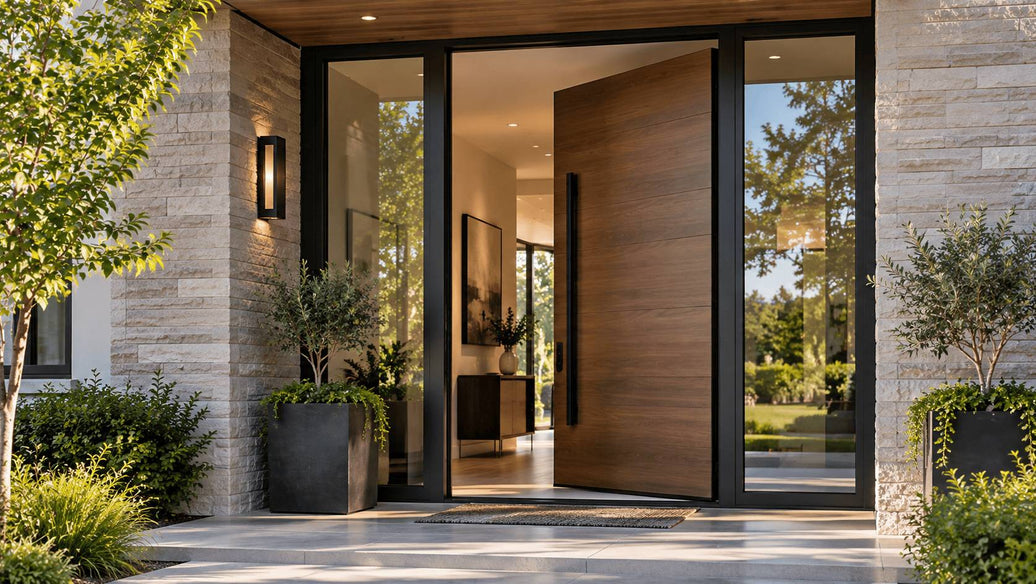
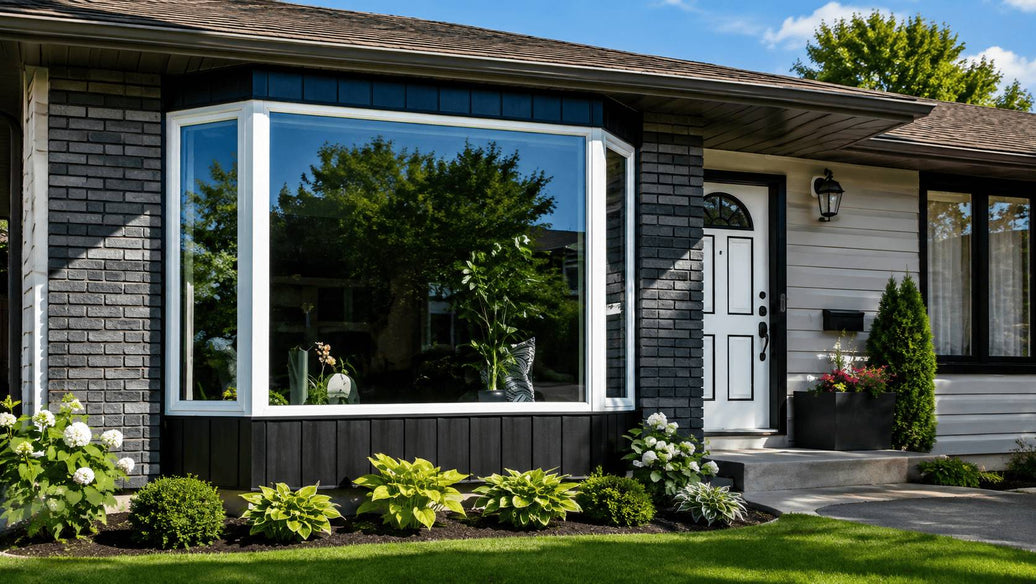
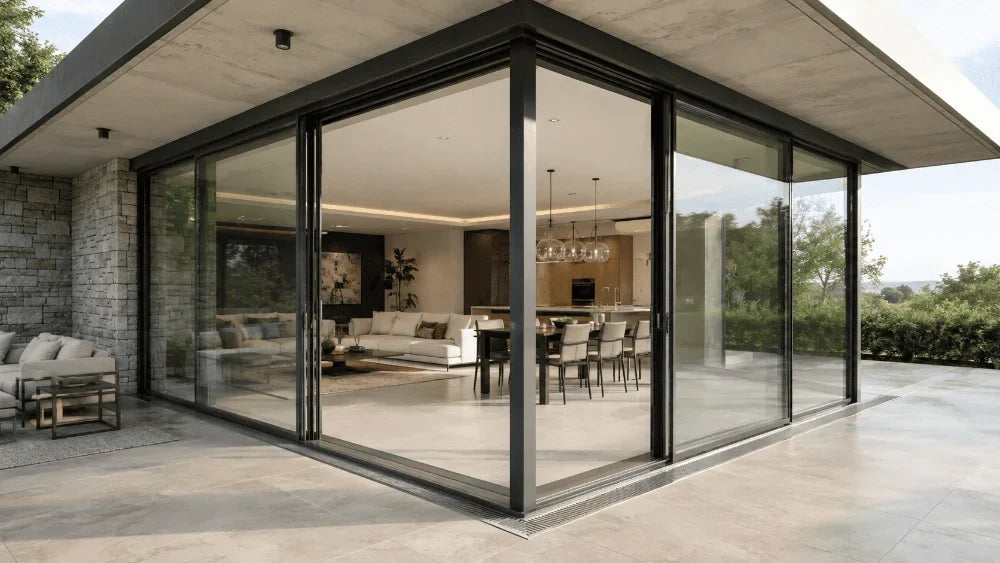
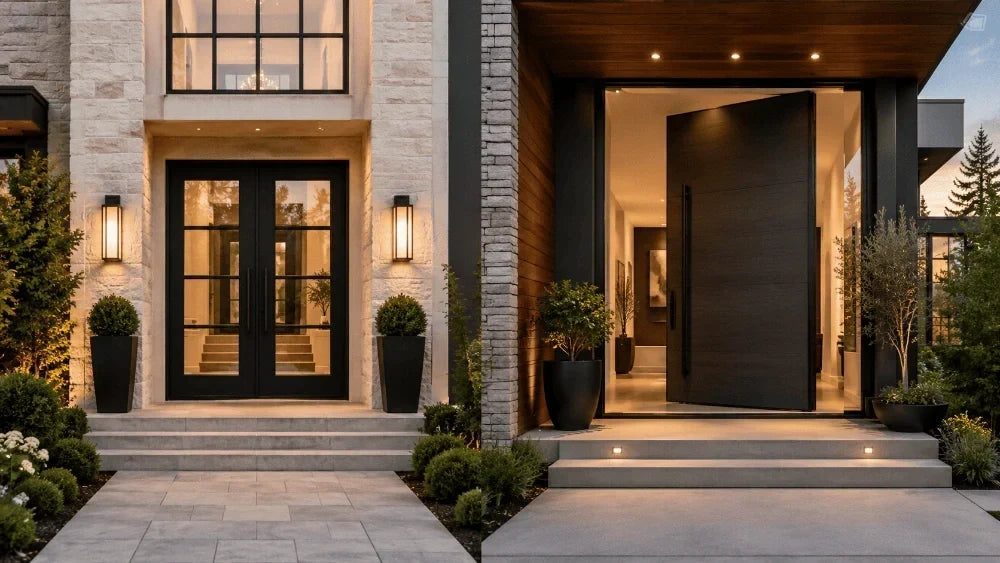
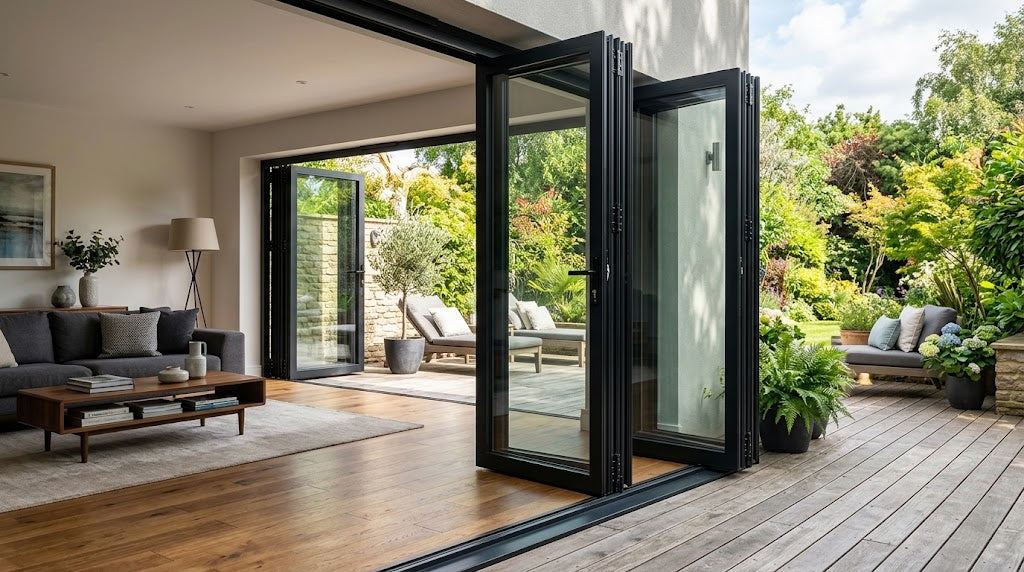
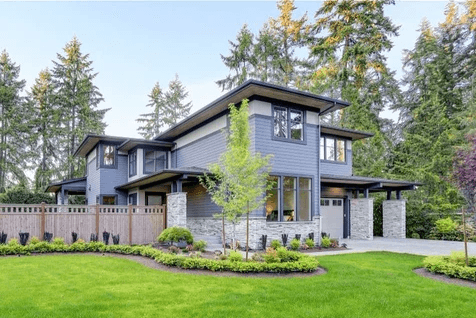
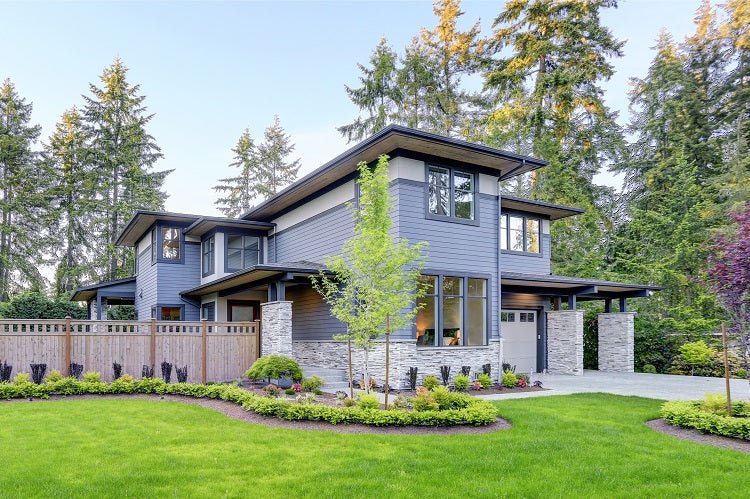
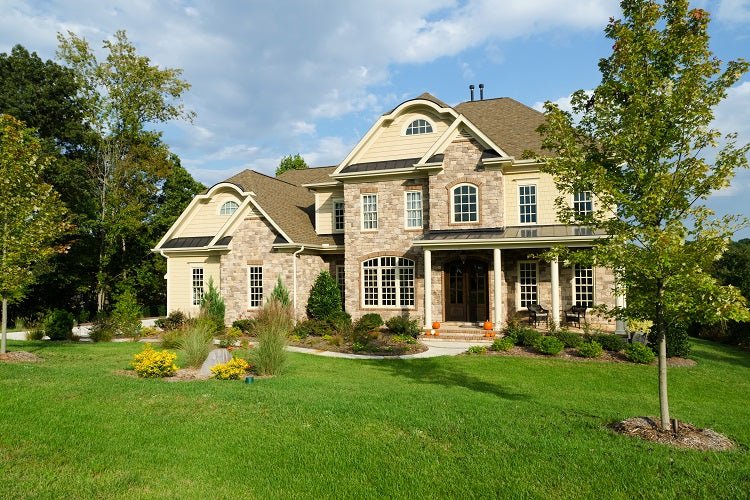
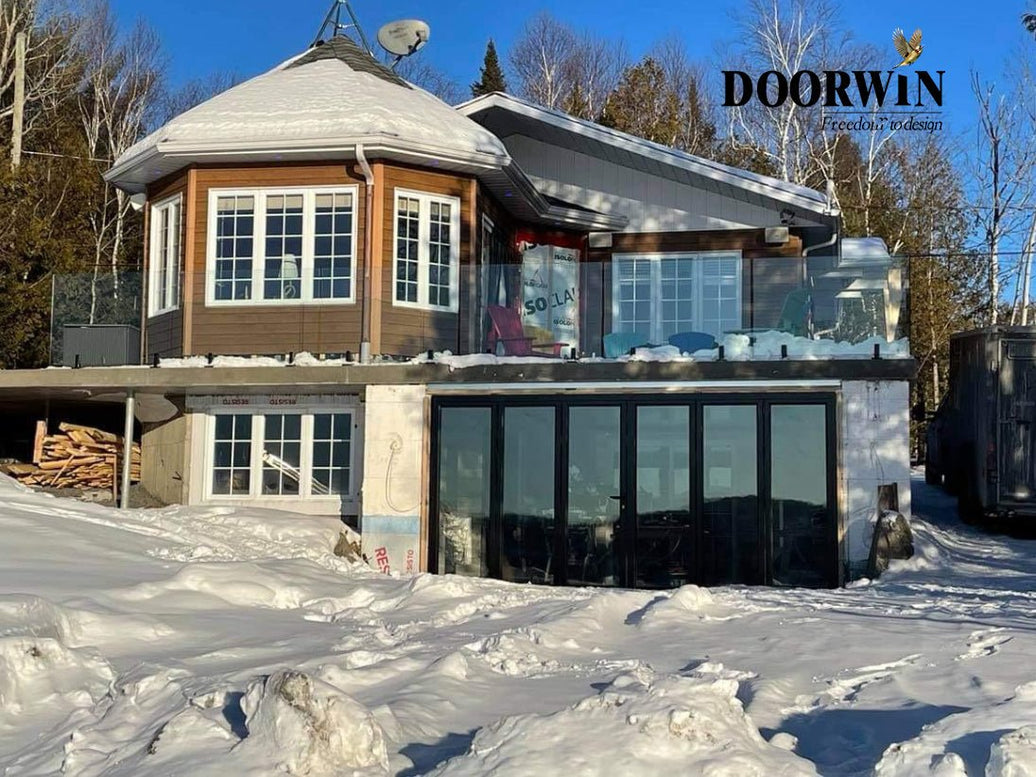
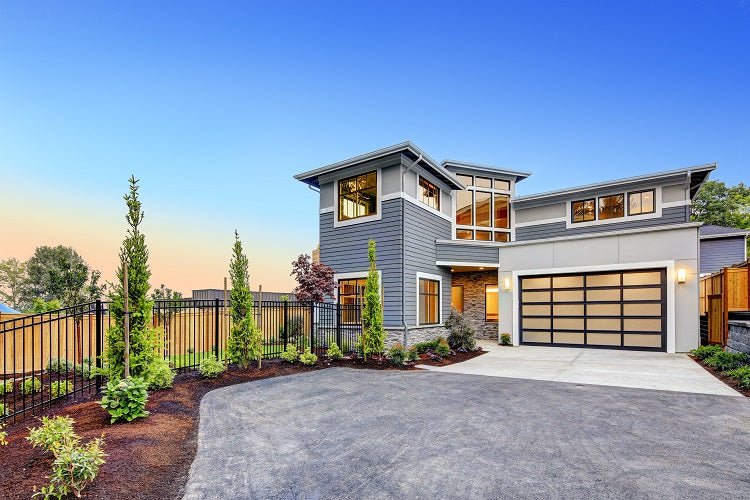
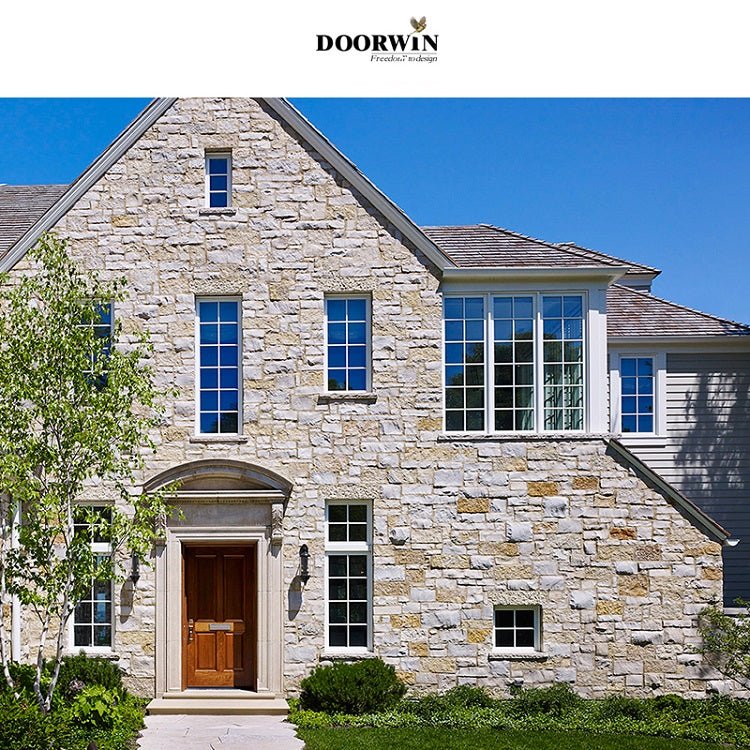
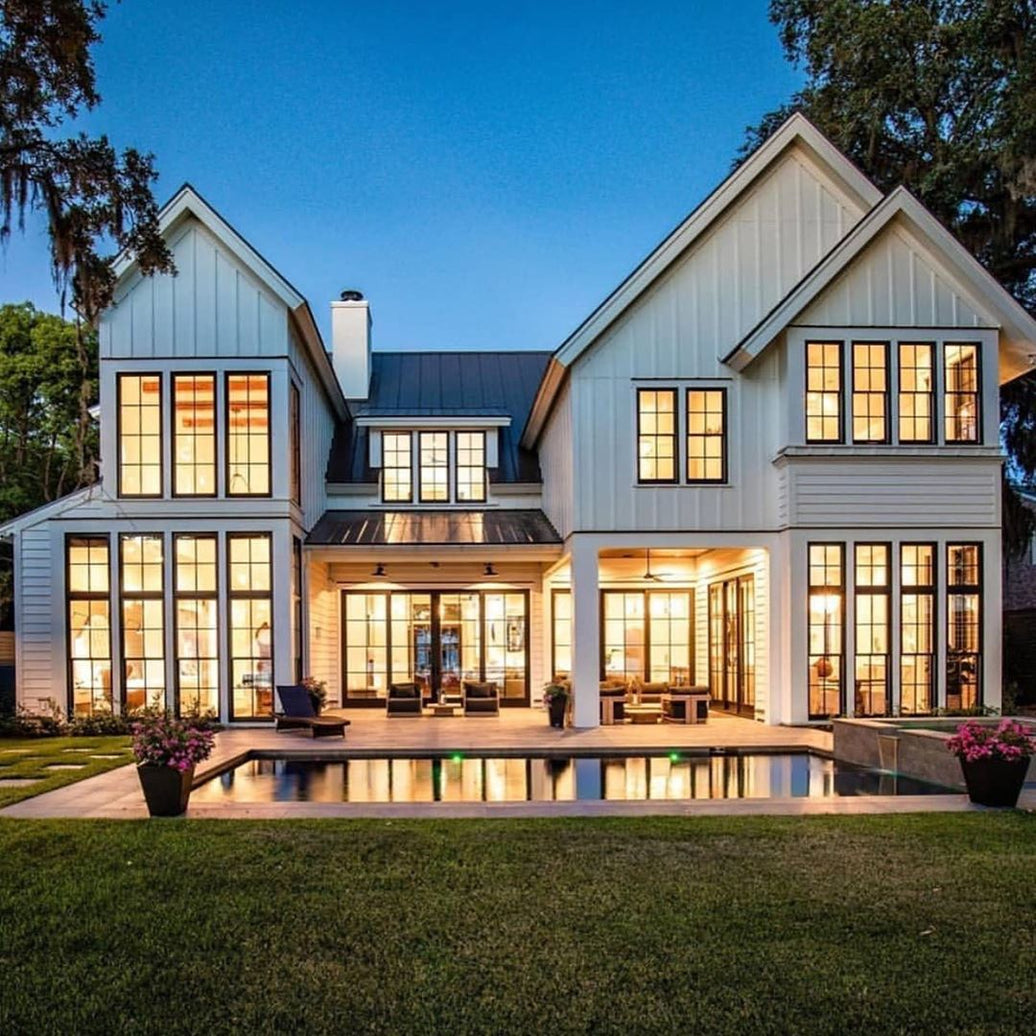
Custom homes need windows that do more than fill openings. They shape interior character, exterior maintenance, thermal comfort, and long-term project value. For architects, contractors, and residential developers, aluminum-clad wood windows offer a useful mix. Wood sits on the inside for warmth. Aluminum covers the outside for weather exposure.
Full wood windows can produce a refined interior look. Yet the exterior face may require extra care amid sun, rain, wind, or seasonal temperature shifts. Plain aluminum windows ease some maintenance concerns. Still they may not provide the softer residential appearance many custom homes require. This is why aluminum-clad wood windows are often chosen for projects that need both design value and exterior durability.
This guide explains how builders and designers can specify the right frame, finish, glass, hardware, and ordering details without treating the window as a decorative item only.
Why Aluminum-Clad Wood Windows Fit Custom Homes
Custom homes usually involve more detailed material decisions than standard residential builds. A window package should support the architecture, room function, owner expectations, and climate conditions. It also needs to look consistent across bedrooms, kitchens, living areas, studies, and special openings.
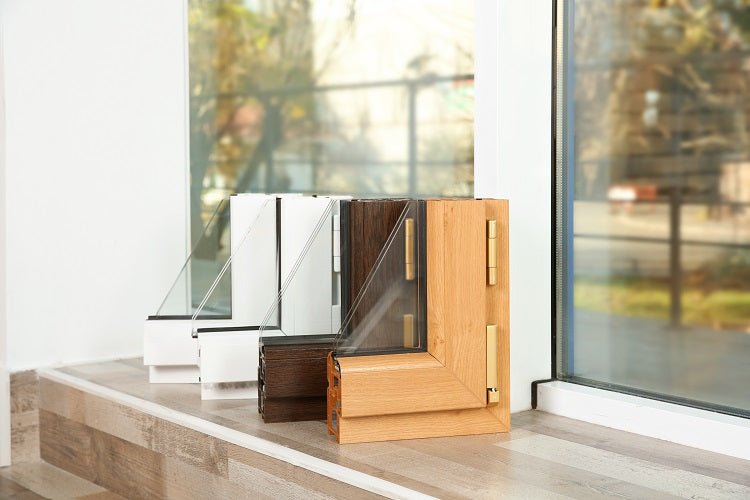
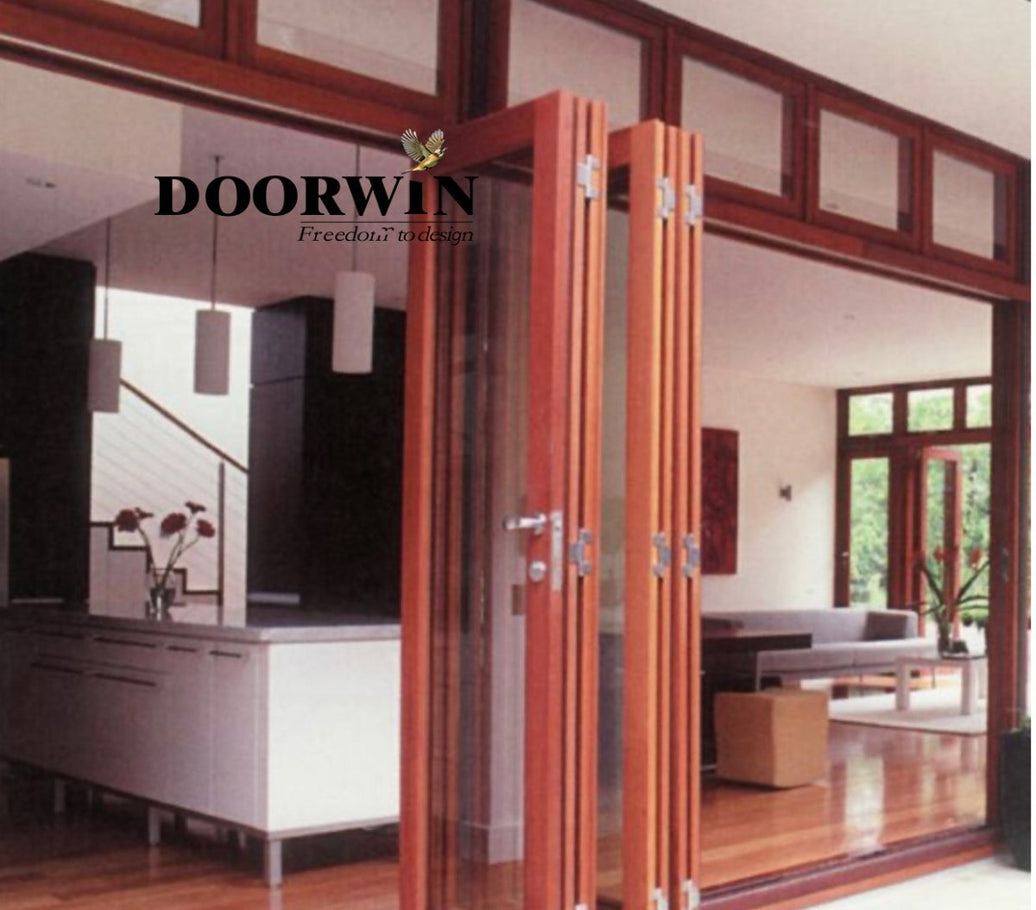
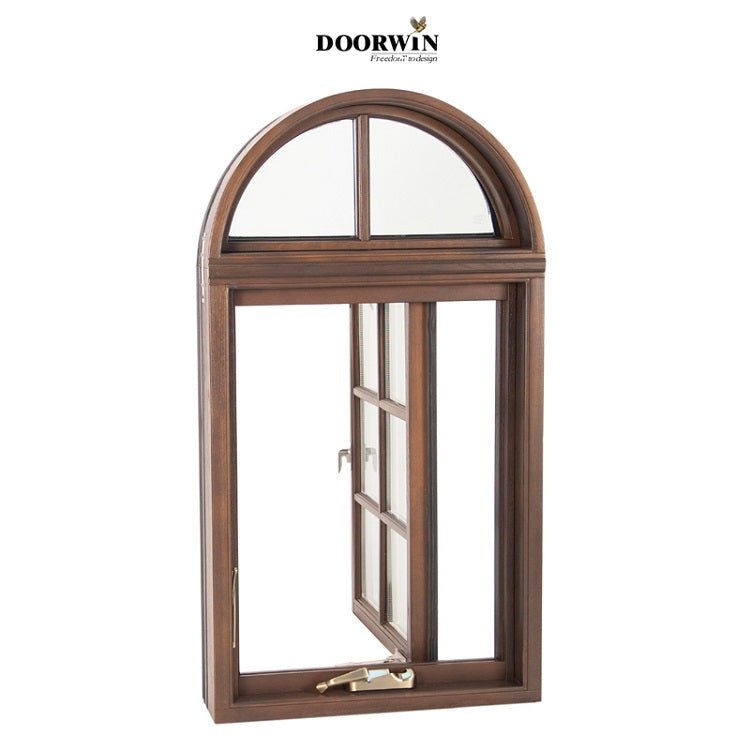
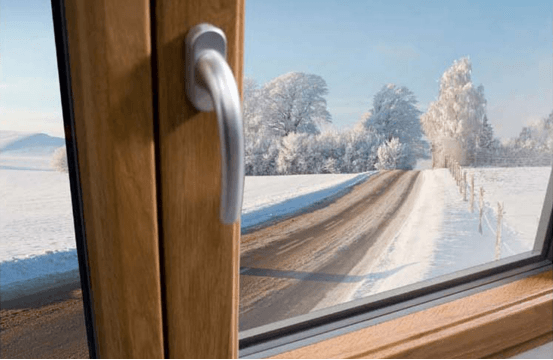
Wood interiors help windows connect with flooring, trim, cabinetry, stairs, and built-in furniture. In traditional, transitional, or warm modern interiors, a natural wood surface can feel more integrated than a plain metal interior. Wood casement windows are especially useful when the project needs operable windows with a crafted residential appearance.
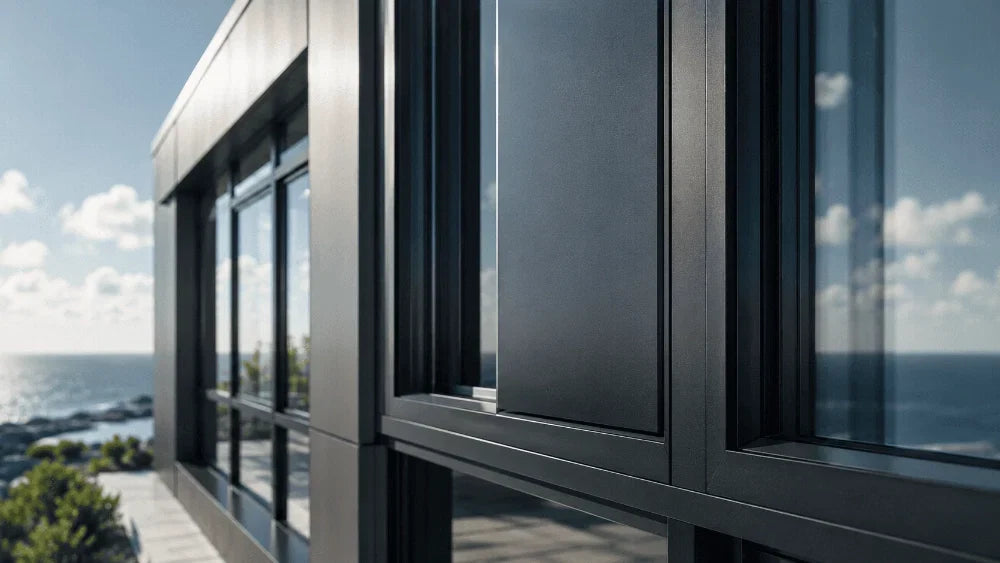
The exterior face has a different job. It must handle weather, sunlight, and routine exposure. Aluminum cladding can help reduce the maintenance pressure often linked with exposed exterior wood. It is not a maintenance-free promise, but it can be a more practical exterior surface for many custom residential projects when coating and installation are specified correctly.
This balance is the main reason aluminum-clad wood windows work well in custom homes. Designers keep the warm interior look. Builders gain a more durable outer surface. Owners receive a window system that can support comfort, appearance, and daily use. For larger houses, this balance also helps keep the window schedule more unified, even when different rooms need different sash sizes or opening positions.
What Builders Should Specify Before Ordering
A successful window package starts with clear specifications. Before ordering, project teams should confirm the room location, opening size, quantity, wall condition, installation method, and elevation drawings. These details help prevent late revisions and mismatched expectations.
Frame and finish decisions should be made early. Interior wood species, stain color, coating texture, exterior aluminum color, grille pattern, screen option, and hardware finish all affect the final result. For custom wood casement windows, the interior finish should be checked against the full interior palette, not selected separately.

Exterior aluminum also needs careful review. Dark finishes may suit modern elevations, while softer gray, bronze, or neutral tones may work better for classic homes. Strong sunlight, coastal air, heavy rain, snow, and urban pollution can all affect coating expectations. For aluminum clad casement windows, the exterior coating should match both the design goal and the local climate.
Project consistency is another important point. A custom home may include tall living room windows, smaller bedroom openings, kitchen windows above counters, and shaped or divided-lite designs. The window schedule should keep these openings visually connected while still allowing each room to function properly. For broader planning, teams can review Luvindow window and door systems while comparing frame types and project applications.
Builders should also align the window package with the construction sequence. Delivery timing, temporary storage, site access, and installation order can affect how smoothly the project moves. This is especially important when the home includes several custom openings or mixed window types across multiple elevations.
Glass and Hardware Details That Affect Comfort
The frame gives the window its structure, but glass and hardware strongly affect comfort and daily performance. Energy efficient casement windows should be reviewed by climate, room use, exposure, and performance target.
Low-E coating assists in controlling heat flow through glass. Insulated glass filled with argon can decrease heat transfer between the panes even more. Double pane glass that includes Low-E coating and argon fill serves as a suitable choice for numerous residential projects. It achieves a balance among performance, cost, and weight. In colder areas, noisy spots, or projects with higher demands, upgraded glazing may become necessary.
U-factor requires checking during specification as well. A lower U-factor usually signals improved insulation performance. Builders should confirm this value before final procurement. This step proves especially important when the home features large glass areas or specific energy performance targets.
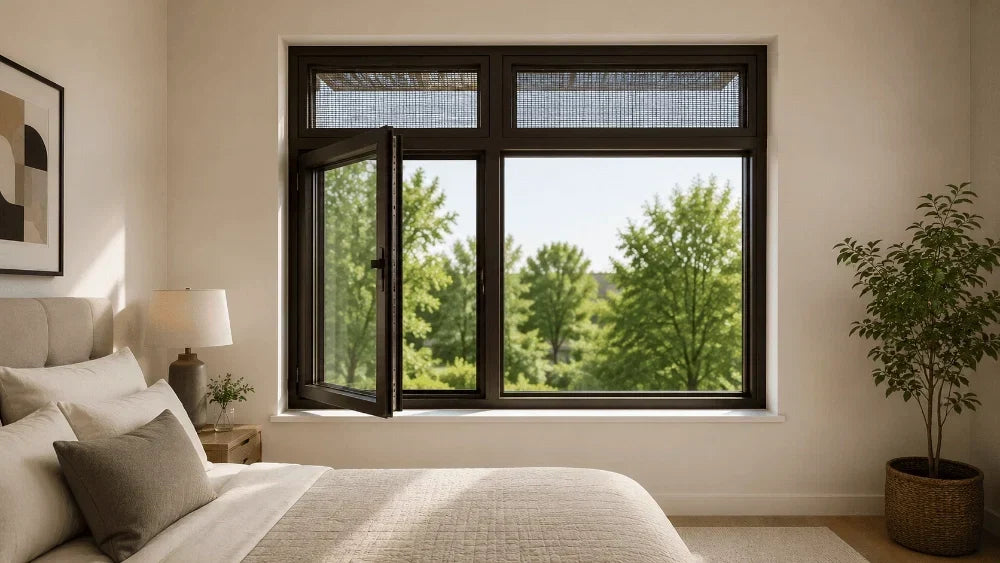
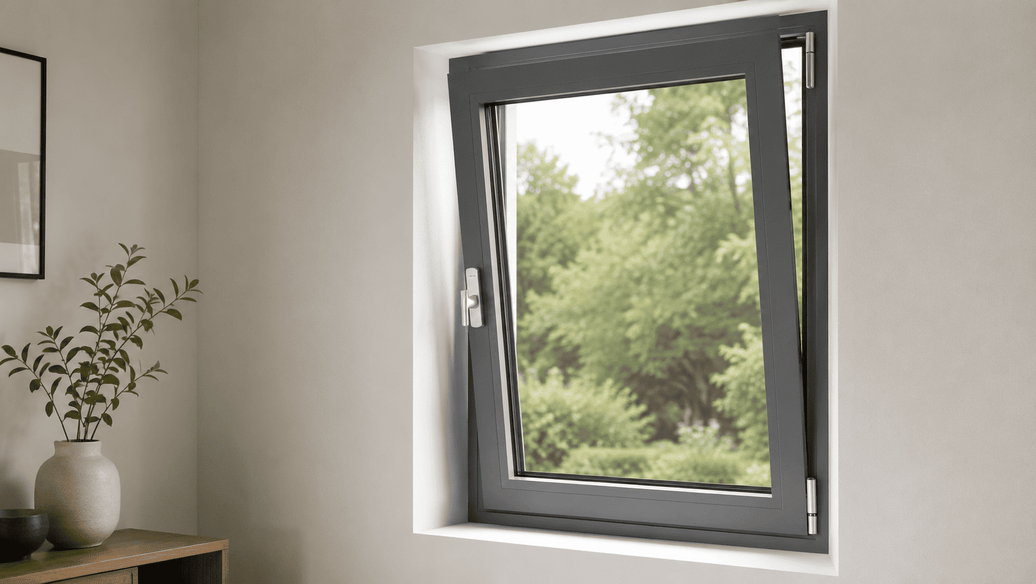
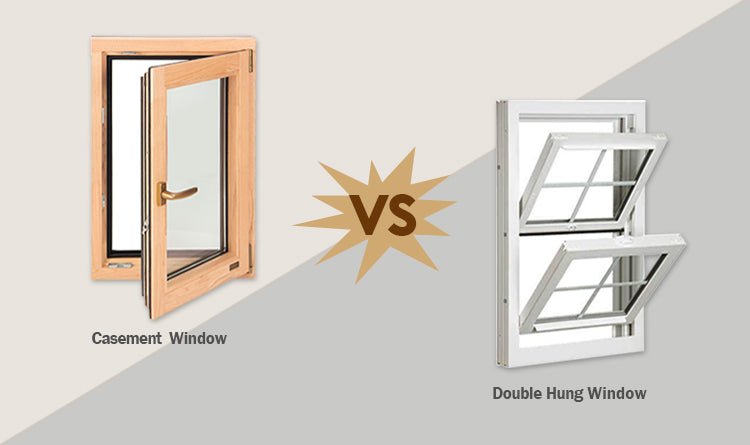
Opening style also plays a role. Casement windows open outward from side hinges. A fully opened sash supports strong natural ventilation. Wood casement windows with crank-out operation can work well in bedrooms, living rooms, studies, and kitchens where fresh air and easy operation are both needed.
Some openings prove harder to reach. These include windows above kitchen sinks, counters, built-in desks, or deep wall sections. A crank handle allows easier sash operation without direct pushing or lifting. For builders, this usability detail can reduce complaints after handover.
Hardware deserves review with equal attention to glass. Hinges, handles, locking points, and sealing pressure all influence long-term use. When the sash is large or operated frequently, hardware quality gains added importance. Strong hardware supports smooth opening, tight closing, and consistent performance over time.
How LUVINDOW’s Aluminum-Clad Wood Crank Open Casement Windows Fit This Application
For custom homes that need wood warmth inside and exterior durability outside, Aluminum-Clad Wood Crank Open Casement Windows can be considered as one specification option.
This product uses a red oak wood interior with an aluminum exterior. Its listed glass unit is 5mm+12A+5mm double glazing with fully tempered glass, Low-E coating, and argon filling. The hardware configuration includes Germany-origin SIEGENIA hardware and HOPPE handles. Its crank-out operation makes it suitable for rooms that need ventilation and easier access.
The aluminum exterior can be finished with options such as powder, fluorocarbon, anodised, or woodgrain coating, depending on project requirements. These details connect interior appearance, exterior exposure, glass performance, and hardware into one window specification. Other options can also be compared through all windows when a full-home package includes different opening types.
For B2B projects, this type of product is most useful when the buyer wants design flexibility without separating appearance from performance. It can support custom home schedules where the same design language needs to carry across living areas, kitchens, bedrooms, and special openings.
Common Mistakes to Avoid
One common mistake is choosing based on interior appearance only. A beautiful wood finish is valuable, but it should not distract from exterior exposure, glass performance, hardware, sealing, and installation needs.
Another mistake is using the same specification for every climate. Strong sun, high humidity, freezing winters, coastal air, and heavy rain can all affect exterior finish choices. The same window style may need different coatings or glass types in different regions.

A third mistake is leaving hardware and glass decisions too late. These details affect comfort, operation, budget, and delivery timing. They should be part of the first specification review, not a final adjustment after drawings are nearly complete.
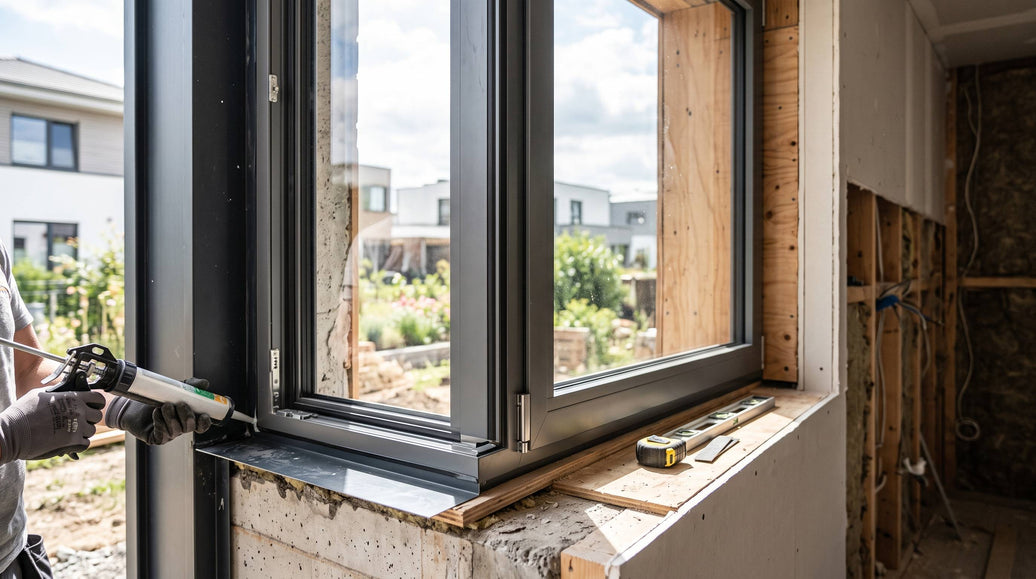
Builders should also avoid treating custom windows as isolated items. A window may perform well on paper, but the full project result depends on measurement accuracy, opening preparation, waterproofing details, installation sequence, and communication between designer, supplier, and installer.
Conclusion
Aluminum-clad wood windows are useful for custom homes because they answer two project needs at once. The wood interior supports warmth and design value, while the aluminum exterior helps manage outdoor exposure. When combined with Low-E argon-filled glass, suitable hardware, and careful finish planning, this window type can support both appearance and performance.
For builders, architects, and contractors, the best results come from specifying the window as a complete system. Frame, glass, hardware, finish, opening style, and installation details should all match the project goal. If your custom home project requires warm interiors, durable exterior finishes, and energy-focused glass options, share your project requirements with Luvindow so the window specification can be reviewed before ordering.
FAQ
Q:Are aluminum-clad wood windows good for custom homes?A:Yes. They combine a warm wood interior with a more durable aluminum exterior. Builders should still confirm climate exposure, glass package, finish options, and installation requirements.
Q:Are aluminum clad casement windows more durable than full wood windows?A:They can reduce exterior maintenance pressure because the outside surface uses aluminum cladding rather than exposed wood. Durability still depends on coating quality, installation, weather exposure, and maintenance planning.
Q:What should builders check before ordering custom wood casement windows?A:Builders should confirm opening size, interior wood finish, exterior aluminum color, glass type, Low-E coating, argon fill, U-factor target, hardware system, screen option, opening direction, and delivery schedule.