Family entrances work harder than many drawings suggest. The same entry door handles school runs, guests, deliveries, pets, groceries, weather exposure, and repeated locking every day. For builders, remodelers, dealers, and residential project teams, the right door should not be selected by appearance alone. It should support daily movement, lower routine care, security planning, glass privacy, and long-term operation.
A modern front door can improve the first impression of a home, but it also needs to fit the entrance layout. Porch depth, door swing, threshold height, sidelite position, and hardware access all affect how the door performs after handover. This guide explains how to plan aluminum entry doors for family homes from a practical B2B project view.
Map the Family Entrance Before Choosing the Door
A family entrance is not only a façade feature. It is part of the household route. Before confirming a door package, project teams should study how people enter, where they stand, and what the entrance must handle during busy hours.
Daily Routes Shape Door Requirements
Morning and evening use can be intense. Children may leave with backpacks, adults may carry bags, and visitors may wait near the door. The entry door should open clearly, close reliably, and allow easy locking without forcing users into awkward movement.
For residential entry doors, hardware position and handle height should be checked with the real entrance plan. If the door is too wide for the porch or opens against a wall, daily use may feel less efficient even when the product itself is suitable.
Porch Depth and Swing Space Affect Comfort
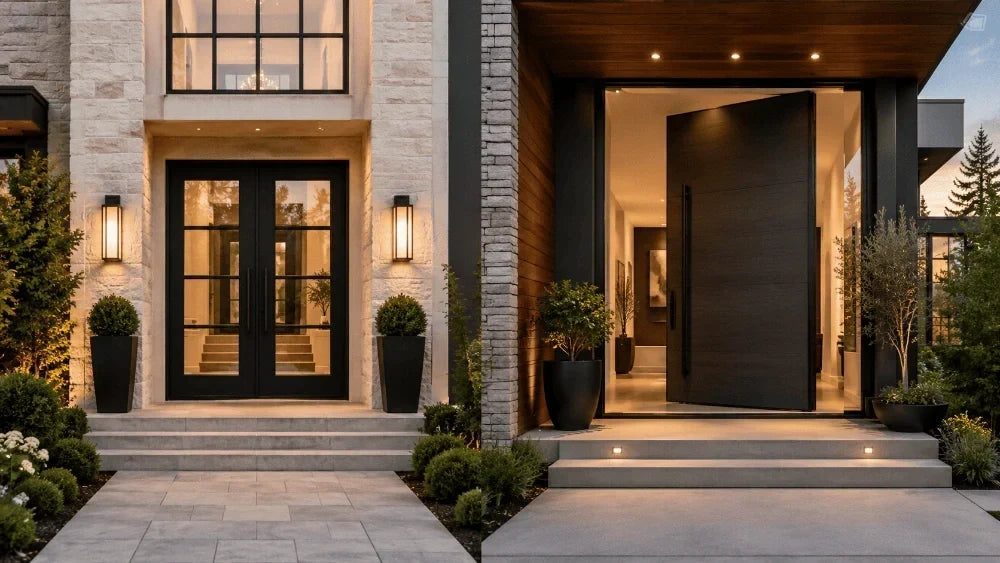
A modern front door often has a larger panel or stronger visual presence, but the entrance must still provide enough swing clearance. Steps, planters, railings, exterior lighting, and storm protection can all affect movement.
Builders should confirm rough opening size, finished floor level, exterior step position, and weather exposure before ordering. These checks are especially important when the door is part of a villa, custom home, or residential replacement package.
Deliveries, Pets, and Children Change the Use Pattern
Family homes face practical use that is not always visible in drawings. Packages may sit near the threshold. Pets may scratch around the lower panel. Children may touch glass or hardware frequently. These conditions make surface durability, lock planning, glass safety, and cleaning access more important.
Low Maintenance Starts With the Door Surface
Low maintenance should mean less routine care, not no care at all. The goal is to reduce repainting concerns, make cleaning easier, and support a stable appearance through years of use.

Aluminum Helps Reduce Repainting Concerns
Aluminium front doors are often considered where buyers want a modern appearance with less routine surface work than some traditional materials. Aluminum does not require all maintenance, but it can reduce repainting concerns when the finish is selected for the climate and exposure.
This makes aluminum useful for residential projects where builders want fewer post-handover complaints about swelling, peeling, or frequent refinishing. The final finish should still be reviewed against sun exposure, rain, snow, coastal air, and cleaning frequency.
Exterior Finish Should Match Weather Exposure
A low maintenance exterior door needs a surface plan that fits the site. A shaded entrance, a fully exposed south-facing elevation, and a coastal property do not age the same way. Color, finish, threshold protection, and roof overhang should be reviewed together.
A good specification also includes simple care instructions. Homeowners should know how to clean the frame, glass, handle, and threshold without damaging the finish.
Hardware and Thresholds Still Need Routine Checks
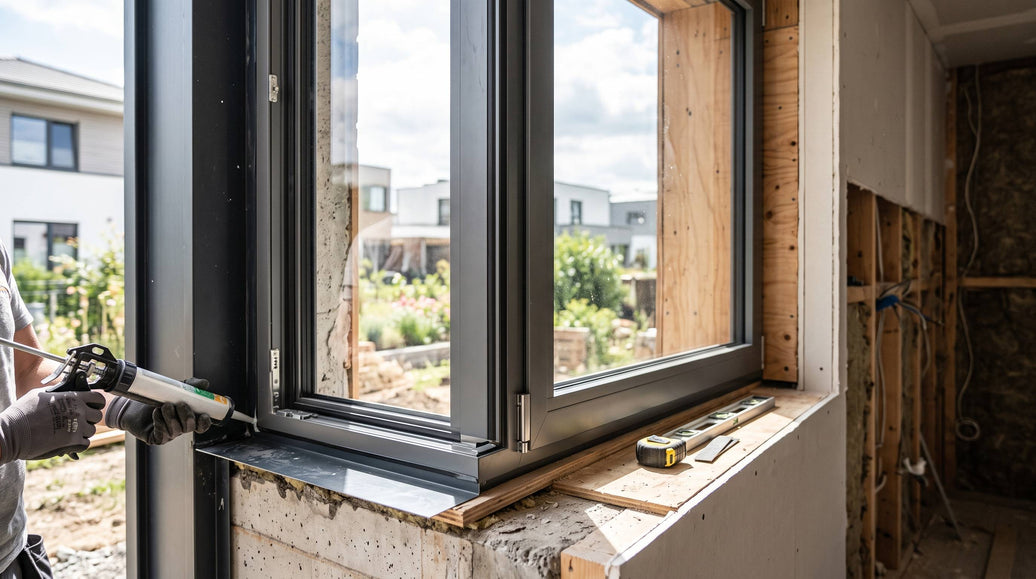
Even aluminium front doors need hardware and threshold inspection. Hinges, pivot hardware, locks, seals, drainage routes, and sill areas should remain accessible. If dirt collects at the threshold or the door is not adjusted after settlement, operation may be affected.
Glass in an Entry Door Should Be Planned Carefully
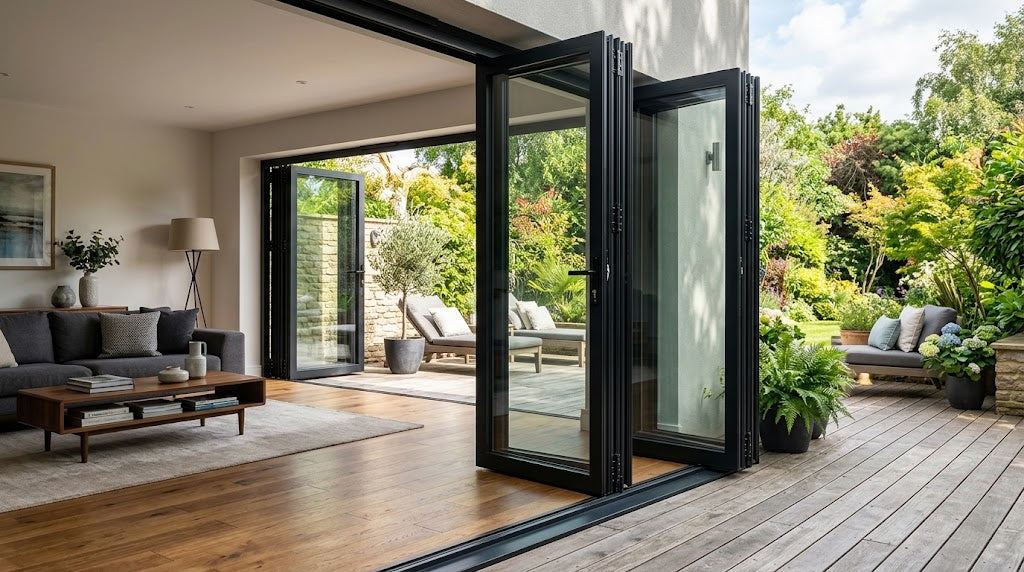
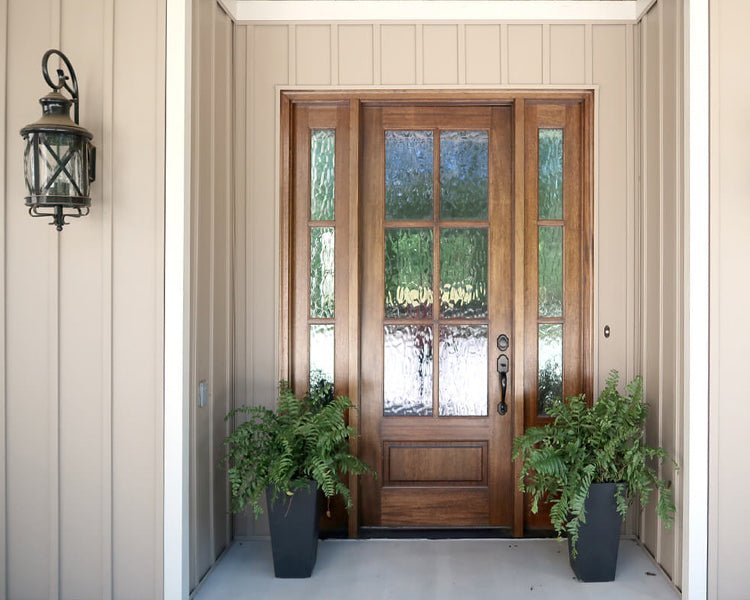
Exterior doors with glass can improve daylight and make the foyer feel more open. At the same time, glass affects privacy, security, and nighttime visibility.
Daylight Should Not Reduce Privacy
Glass entry doors can bring natural light into shaded halls or narrow entrance spaces. For family homes, this can reduce the need for extra side windows. However, glass size and location should match the street view, interior layout, and privacy expectations.
A full-height glass panel may suit a private villa entrance. A partial glass panel or sidelight may suit a home facing a sidewalk. Builders should confirm privacy needs before finalizing the door design.
Glass Position Affects Nighttime Visibility
During the day, exterior doors with glass may feel open and bright. At night, interior lighting can make the inside more visible from outside. This is why glass position, sidelight layout, foyer lighting, and any privacy treatment should be reviewed as one entrance plan.
Security Depends on the Full Entrance System
A security front door is not created by the door leaf alone. Frame strength, lock type, glass placement, hinge or pivot position, threshold detail, and installation quality all matter. Glass entry doors should be specified as part of a complete entrance system, not as a decorative panel added at the end.
Product Fit: Residential Aluminum Pivot Entry Doors
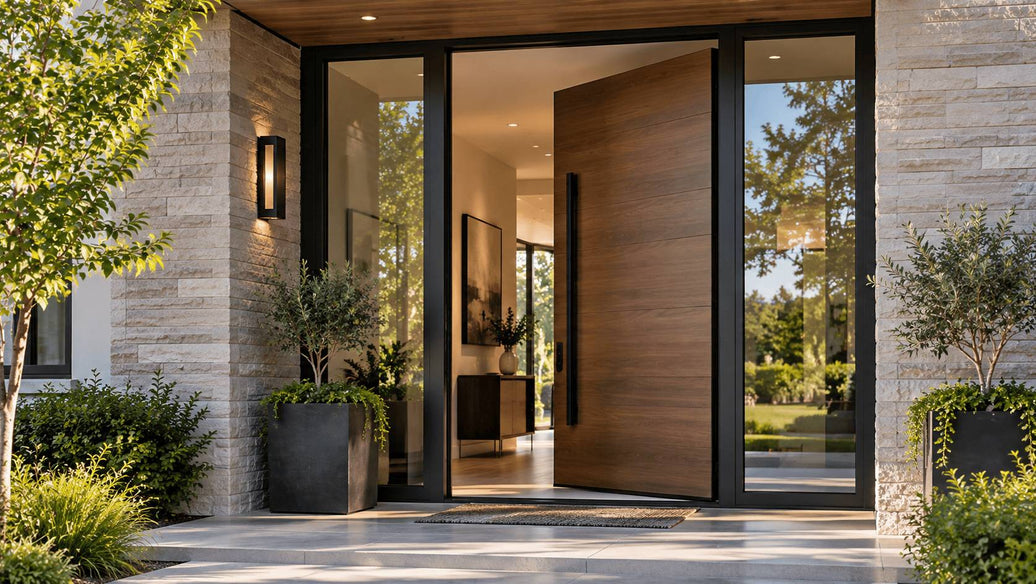
For family homes that need a larger modern entrance, low-maintenance material direction, and project-specific planning, Residential Aluminum Pivot Entry Doors can be considered as one option.
The product page presents the door as a residential aluminum pivot entry door and highlights no-paint, low-maintenance use, weather protection, and a 20-year transferable warranty. These points fit projects where a modern front door needs to support daily family use while reducing repainting concerns.
A pivot entry door should still be reviewed against opening size, panel weight, floor level, porch depth, threshold detail, and hardware access. It can create a strong architectural entrance, but it should not be treated as only a visual feature. For project teams comparing several residential door styles, Luvindow also provides all doors for broader door package planning.
How Builders Can Guide Homeowners Through Selection
Builders and dealers can reduce revisions by guiding homeowners through practical questions before price discussion.
Ask About Maintenance Expectations
Some homeowners want the warm look of traditional materials. Others prioritize lower routine care. If the project goal is a low-maintenance exterior door, the finish, cleaning method, weather exposure, and hardware service needs should be clear from the start.
Ask About Security Priorities
Security expectations vary by neighborhood, entrance exposure, and homeowner preference. Builders should ask about lock type, glass size, visibility from the street, sidelight layout, and access control needs. For glass entry doors, the security plan should include the frame, hardware, and installation method.
Ask About Facade Style and Glass Preference
A modern front door should support the architecture, but it should also match the household’s comfort needs. Color, glass proportion, handle design, and sidelight layout should be reviewed with the elevation and interior foyer.
What Can Go Wrong After Installation
The first issue is the daily use conflict. A door may look suitable online but feel inconvenient if the swing path, threshold, or handle position does not fit the family's routine.

The second issue is glass privacy. Exterior doors with glass can brighten the entrance, but they may also expose the foyer if the glass layout is not planned carefully.
The third issue is late hardware selection. Lock position, pivot hardware, threshold height, and access control details affect daily operation. These decisions should be made before production, not after installation begins.
For related planning on glass layout and privacy, project teams can also read Entry Doors with Glass: How to Balance Daylight, Privacy, and Security.
Conclusion
Aluminum entry doors for family homes should be selected based on real daily use. The door needs to support movement, security, weather exposure, glass privacy, and routine maintenance after handover. A modern front door should look appropriate, but it also needs to work through years of family traffic.
For family home, villa, or residential replacement projects, share your entrance size, facade style, glass preference, security needs, and site conditions with Luvindow so the entry door package can be reviewed before ordering.
FAQ
Q:Are aluminum entry doors suitable for family homes?A:Yes. They can be suitable when the door size, glass design, finish, lock system, threshold, and installation method match the home’s entrance and daily use.
Q:Are exterior doors with glass secure enough for residential projects?A:They can be specified with suitable glass, frame design, lock system, and installation details. Security should be reviewed as a full entrance system, not only by the glass panel.
Q:What makes a modern front door easier to maintain?A:Material, finish quality, glass access, hardware selection, threshold design, and cleaning needs all affect maintenance. Aluminum systems can help reduce repainting concerns when specified correctly.