For most cold-climate projects, the best choice is a thermally broken aluminum door with an insulated glass unit, a low whole-door U-factor for the tested configuration, tight air-leakage control, and a threshold that suits the site. For one front entrance, thermal break entry doors are often the simplest starting point. For wide views, lift and slide doors can work well, but the glass package, sill, panel compression, and installation need closer review. Bi-fold doors can also be used in heated spaces, yet every panel joint adds a sealing check.
The useful question is not whether aluminum can work in winter. It can, when the system is specified correctly. The real comparison is between opening type, glass area, frame construction, sealing detail, and the tested performance boundary. That is how insulated aluminum doors should be reviewed before a quote, drawing approval, or site order.
Quick comparison of insulated aluminum doors
Cold weather does not punish every door in the same way. A compact entrance, a wide patio opening, and a folding wall have different weak points, so the first comparison should match the opening type to the risk.
|
Door type |
Suitable situation |
Main advantage |
Main limitation or risk |
|
Thermal break entry door |
Front entrances, side doors, and smaller heated openings |
Fewer moving panel joints and a simpler sealing path |
Glass insert, threshold, lock-side pressure, and whole-door rating still need review |
|
Lift and slide door |
Large patio or terrace openings where views and smooth movement matter |
Wide glass access with compression when the panel locks down |
Large glass area, sill drainage, hardware capacity, and installation tolerance become critical |
|
Bi-fold door |
Open-plan spaces, covered terraces, and projects that value full opening access |
Can open a broad area with multiple panels |
More panel joints mean stricter checks for air leakage, alignment, threshold, and gasket pressure |
This table gives a starting answer, not a shortcut. The final choice still needs climate location, exposure, opening size, preferred operation, and performance targets such as U-factor or air leakage.
How to compare aluminum doors for cold climates
The most useful comparison starts with the parts that affect winter comfort directly. Frame design, glass selection, and sealing are separate decisions, but they have to work as one door system.
Frame construction and thermal break
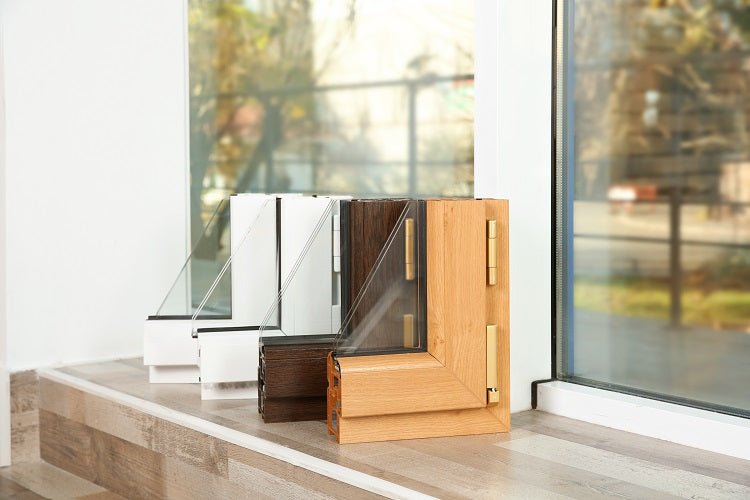
Basic aluminum conducts heat quickly. Thermal break aluminum doors reduce that direct metal heat path by separating interior and exterior aluminum sections with an insulating barrier. That detail can improve interior surface comfort, but it does not automatically prove a whole-door U-factor. Ask whether the rating applies to the full door assembly, the frame only, the glass only, or a tested sample of a particular size.
Selected thermally broken aluminum systems can combine insulated glazing, thermal barriers, and project-specific sealing details. These features should not be treated as a universal performance rating for every door type.
Glass package and edge detail
Glazed patio doors and large-opening systems often have more glass area than a typical entry door, so the IGU matters. Low-E glass helps with thermal and solar control. Argon fill reduces heat transfer inside the insulated glass cavity. Warm-edge spacers improve the glass-edge thermal bridge. Laminated glass can support safety and acoustic goals when specified, but it is a glass configuration, not a complete soundproof door by itself.
Double glazed front doors can suit many entrances when the frame, Low-E coating, spacer, and seals are well matched. Triple glazing may help in harsher conditions, but it is not automatically better. Compare glass thickness, asymmetric build, interlayer, cavity design, added weight, hardware capacity, and whole-door test data before selecting it.
Seals, threshold, and condensation risk
Condensation may result from high indoor humidity, low interior surface temperatures, thermal bridging, or air leakage. That distinction matters. A wet glass edge does not prove one cause, and a dry edge does not prove the whole door is tight. Check the sill, sweep, lock-side pressure, panel joints, drainage path, and interior humidity conditions together.
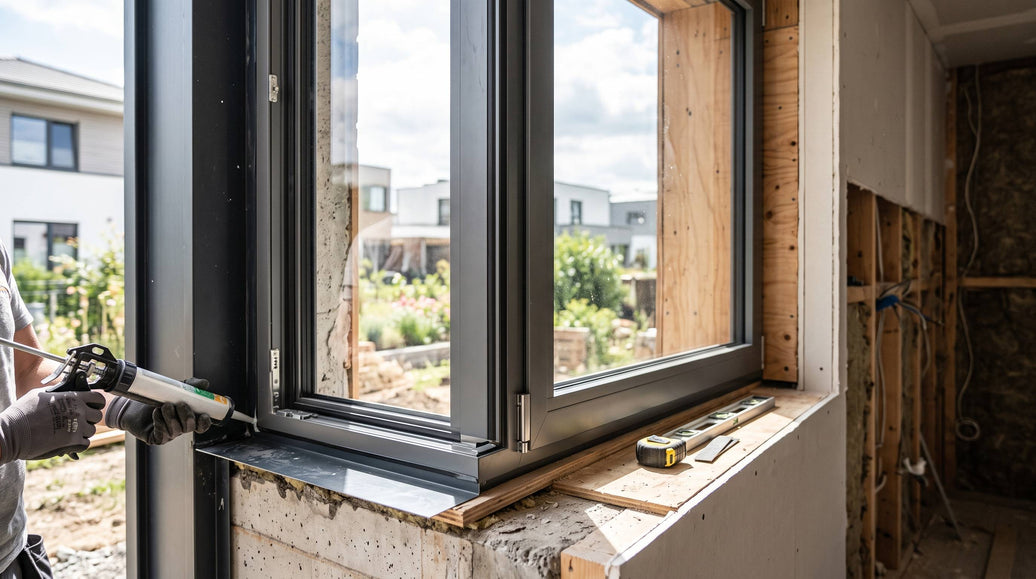
For sliding and folding systems, the sill deserves early review. Snow, meltwater, terrace slope, wind pressure, and flooring height can all change how the threshold performs. EPDM sealing can support weather control in selected systems, but it must match frame design, drainage, adjustment, and installation quality.
Door type recommendations for different cold-climate openings

Once the technical pieces are clear, the door type can be selected with fewer assumptions. The better option depends on how the opening will be used, how much glass it carries, and how many moving joints must stay tight in winter.
Thermal break entry doors
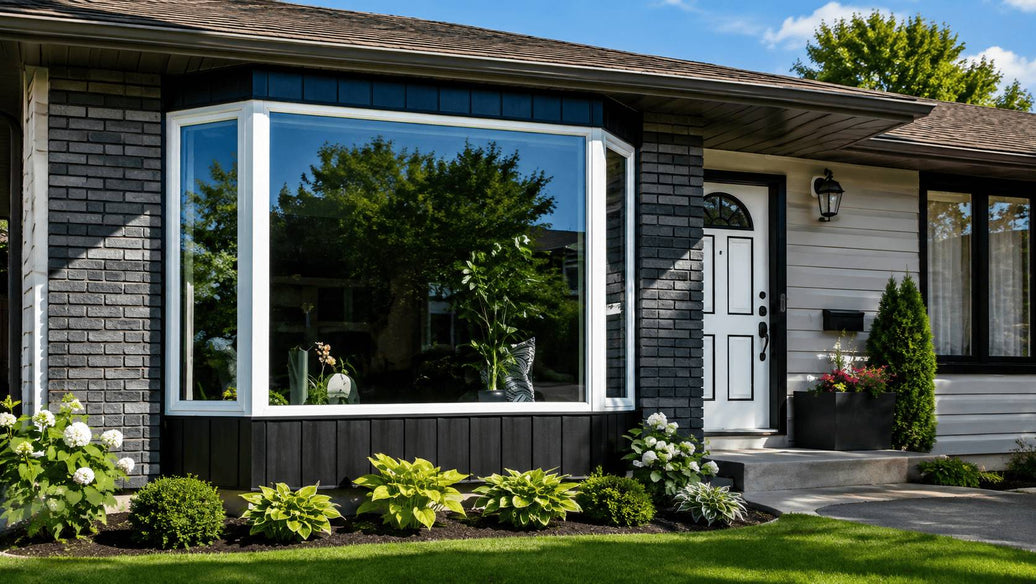
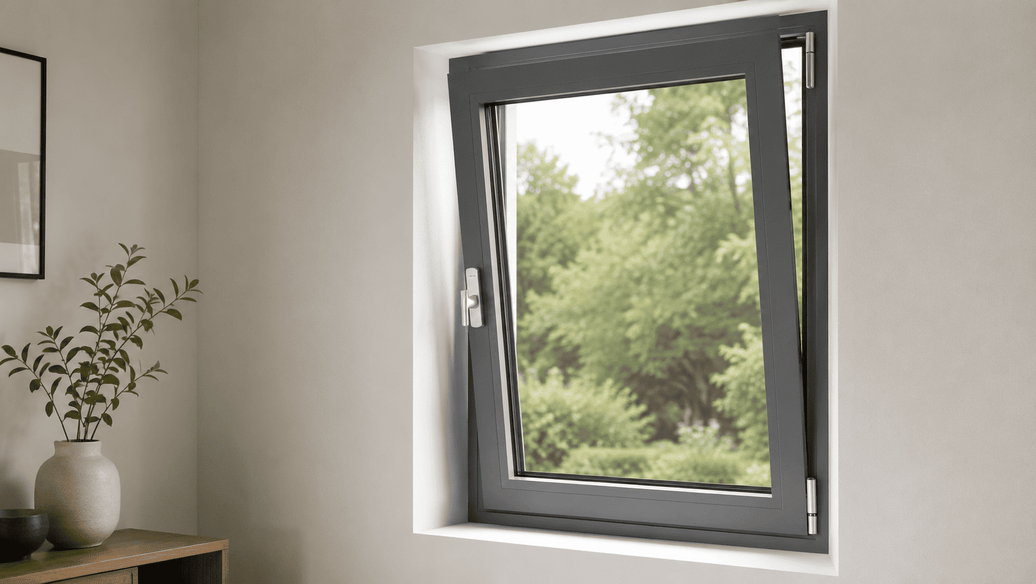
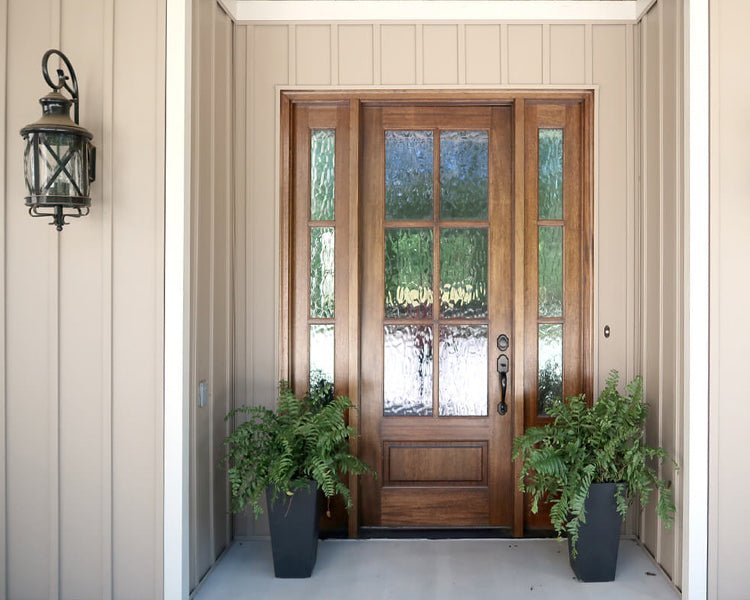
For a single entrance, thermal break entry doors are often the most direct route to better winter comfort. They usually have fewer moving joints than sliding or folding systems, and the performance review is easier to keep focused: frame break, glazing, weatherstrip compression, threshold, hinge or pivot detail, and lock alignment.
This is also where double glazed front doors may make sense. If the project does not need a large glass wall, a well-specified double-glazed unit with Low-E glass, argon fill, warm-edge spacer, and a correctly seated threshold can be a practical balance. The approved specification should still confirm the exact glass build and the rating boundary.
Lift and slide doors
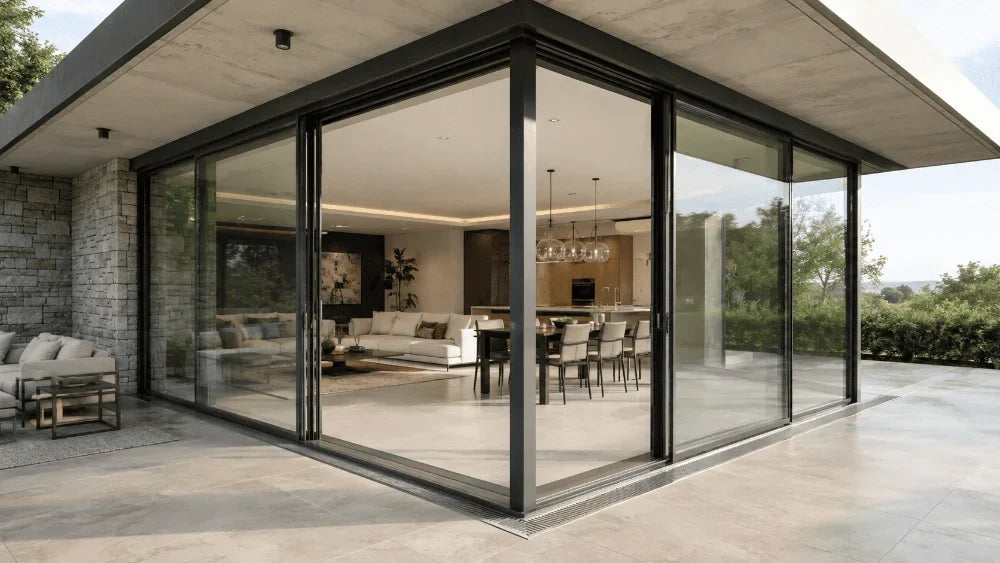
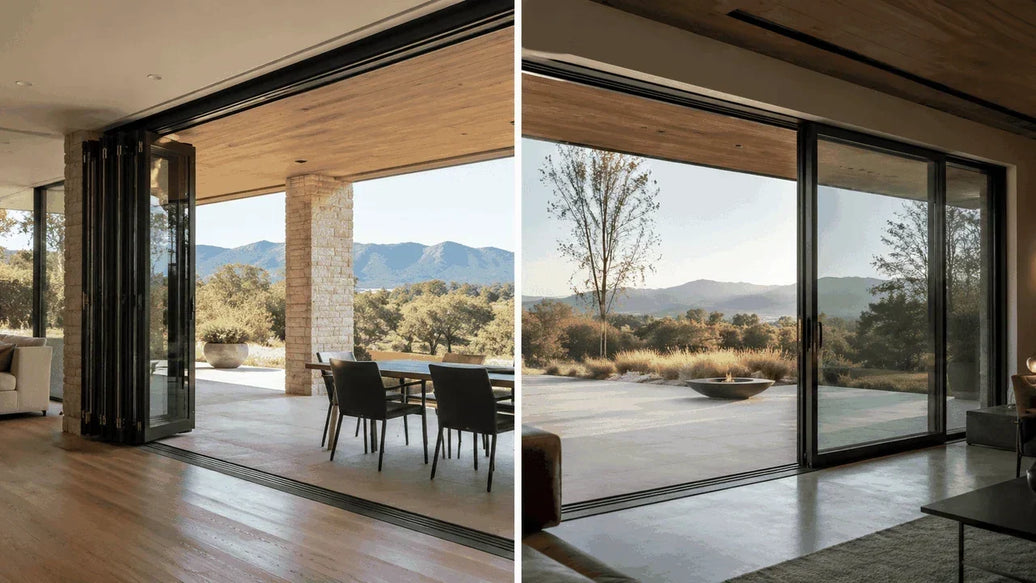
Lift and slide doors are usually chosen for wide openings, strong views, and smoother operation than a standard sliding patio door. In cold regions, they should be reviewed as full systems. The glass area is larger, the sill is more exposed, and the panel has to compress consistently when locked.
A lift-and-slide system can be suitable for high-performance projects when the whole-door U-factor, air leakage, panel-joint compression, threshold, drainage, and installation details are checked together. Hardware capacity also matters because heavier glass packages can affect operation and final adjustment.
Bi-fold doors
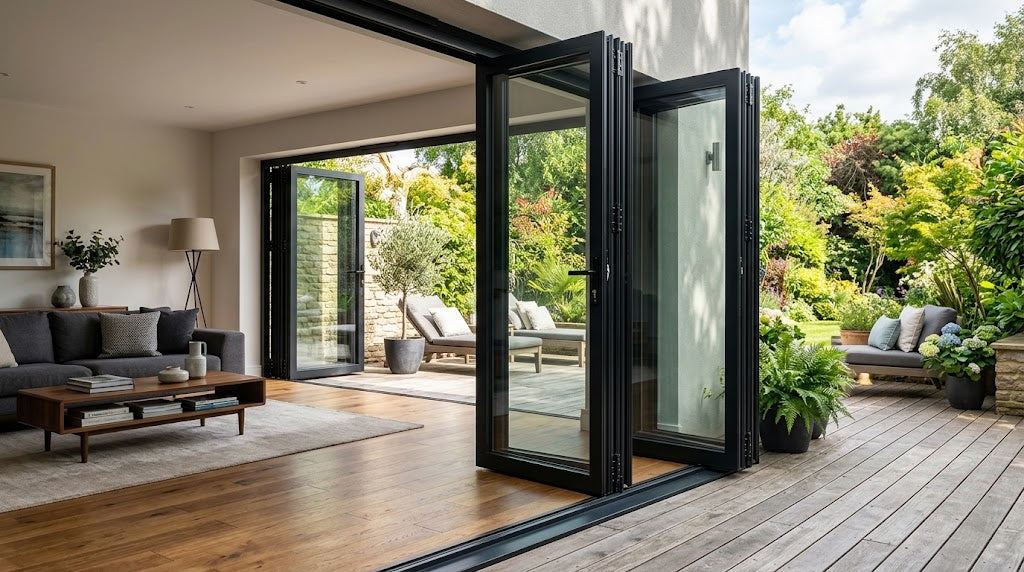
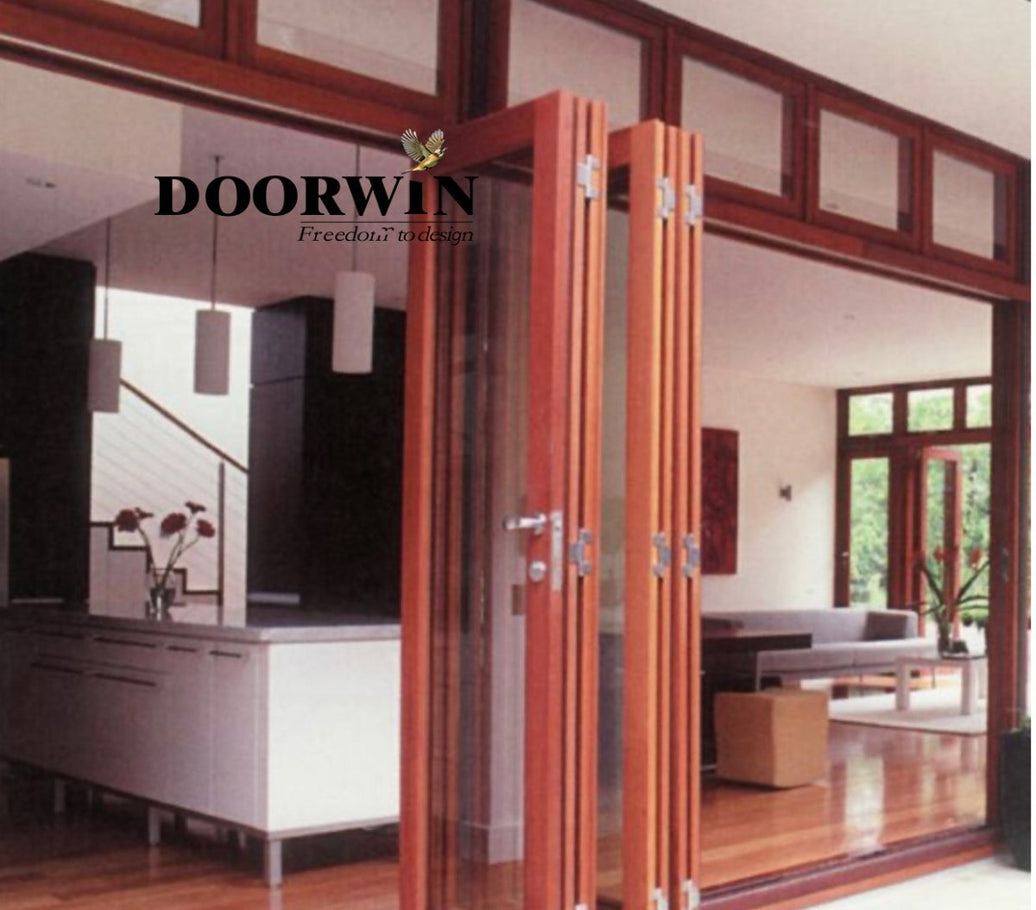
Bi-fold doors should not be dismissed as seasonal doors, but they do need stricter review. Multiple panels create multiple compression points. The stronger the winter exposure, the more attention should go to hinge alignment, guide track stability, locking points, gaskets, threshold design, and field adjustment.
For year-round heated spaces, ask for performance data tied to the selected configuration. If the available data is for a smaller sample, a fixed unit, or glass only, it should not be treated as proof for a full bi-fold assembly of another size.
Performance checks before approving the specification
Product type narrows the decision, but the final winter result depends on measurable details. These checks help keep the purchase discussion tied to facts rather than broad claims.
U-factor and climate fit
U-factor is the main thermal number to request, because it describes heat transfer. The boundary matters. Ask whether the value is glass-only, whole-window, whole-door, fixed, operable, or tied to a tested specimen size. ENERGY STAR guidance also points buyers toward climate-zone selection and certified product labels, including NFRC label information.
Air leakage and field performance
A low U-factor cannot rescue a poorly sealed opening. Air leakage should be reviewed with the opening type, hardware pressure, weatherstrip contact, lock-side fit, and threshold. Laboratory results are useful, but site conditions such as rough opening quality, sealant work, drainage, and final adjustment can change the field result.
When the specification is ready for supplier review
After the door type, glass package, rating boundary, and installation risks are clear, the supplier discussion can become much more practical. This is the better point to bring in brand and product fit, because the buyer already knows what has to be checked rather than being pushed toward a catalog first.
Luvindow can be reviewed as a custom door and window system supplier for projects that need selected aluminum door configurations, including entry, pivot, bi-fold, gliding patio, and lift-and-slide directions. Availability should still be confirmed in the approved specification, especially for glass build, thermal break details, sealing, hardware, and the requested performance boundary.
The door collection options are most useful when the inquiry already includes project location, exposure, opening size, glass area, preferred operation, target U-factor or air-leakage requirement if available, and installation condition. That information helps compare selected configurations without applying one series’ performance data to a different door type, size, or configuration.
For a tailored recommendation, send the opening dimensions, preferred door type, and performance targets for review.
Conclusion
The best insulated aluminum doors for cold climates are selected by system evidence, not material name alone. A thermal break entry door is often the simplest answer for a single entrance. Lift-and-slide doors can suit wide openings when glass, sill, compression, drainage, and installation are reviewed as one system. Bi-fold doors can work in heated spaces, but they need careful checks at every panel joint. Before approval, compare whole-door U-factor, air leakage, glass configuration, threshold detail, hardware capacity, and the exact tested boundary for the selected configuration.
FAQ
Q: Are aluminum doors for cold climates warm enough for a heated home?
A: They can be, when the frame is thermally broken, the IGU is selected for the climate, and the threshold and seals are specified correctly. Basic aluminum construction is not the right benchmark for a cold-climate project.
Q: Are triple-glazed doors always better than double glazed front doors?
A: Not always. Triple glazing may help in harsher exposure, but it adds weight and hardware demand. A well-built double-glazed unit with Low-E glass, argon fill, warm-edge spacer, and a tight door system may suit many entrances.
Q: Which door type offers the most straightforward insulation strategy?
A: A thermal break entry door is often the simplest insulation choice because it has fewer moving joints. Large sliding systems can perform well for wide openings, while bi-fold doors need the most careful joint, threshold, and installation review.