Aluminum windows for coastal homes need to manage three pressures at the same time: wind-driven rain, salt air, and indoor cooling demand. A window that works well inland may not perform the same way near the sea, where frames, glass, hardware, drainage, and installation details face stronger weather exposure. For builders, developers, and homeowners planning coastal projects, the right decision starts with performance priorities rather than appearance alone.
A good coastal window plan should answer practical questions. Will the frame resist corrosion? Can the glass and hardware handle local wind conditions? Does the system drain water properly? Can it reduce heat gain without blocking useful daylight? These questions matter before ordering, because replacement or repair after installation is far more costly than choosing the right system at the specification stage.
Why Coastal Homes Need a Different Window Strategy
Coastal conditions expose windows to moisture, wind, salt particles, and frequent temperature changes. These forces can affect the frame finish, hardware movement, seal durability, and glass performance over time. A coastal project should treat windows as part of the building envelope.
Salt air affects more than the frame
Salt air can speed up corrosion on exposed metal parts, especially if hardware, fasteners, and surface finishes are not suitable for coastal use. Aluminum frames can be a strong choice when the profile, coating, sealant, and accessories are selected with the environment in mind. Buyers should ask how the exterior finish is protected, what hardware is used, and whether fasteners or accessories need upgraded materials for sea-facing elevations.
Wind-driven rain tests drainage and sealing
Coastal rain often arrives with wind pressure. This means water may strike the window at different angles, not just fall vertically. Drainage channels, frame corners, gasket compression, sill slope, and installation flashing become critical. A window that looks tightly sealed in a showroom may still perform poorly if water cannot exit the frame correctly.
Cooling comfort depends on full-system design
Cooling comfort is not only about glass. Frame insulation, spacer design, glass coating, air leakage control, opening type, shading, and orientation all influence indoor temperature. In hot coastal regions, buyers should ask how the window manages solar heat while still allowing daylight and ventilation.
What Should Buyers Check Before Choosing Aluminum Windows?
Before comparing prices, project teams should define climate exposure, room use, elevation height, opening size, and local code requirements. Without these details, quotes may look similar while performance levels are not aligned.
Frame structure and finish
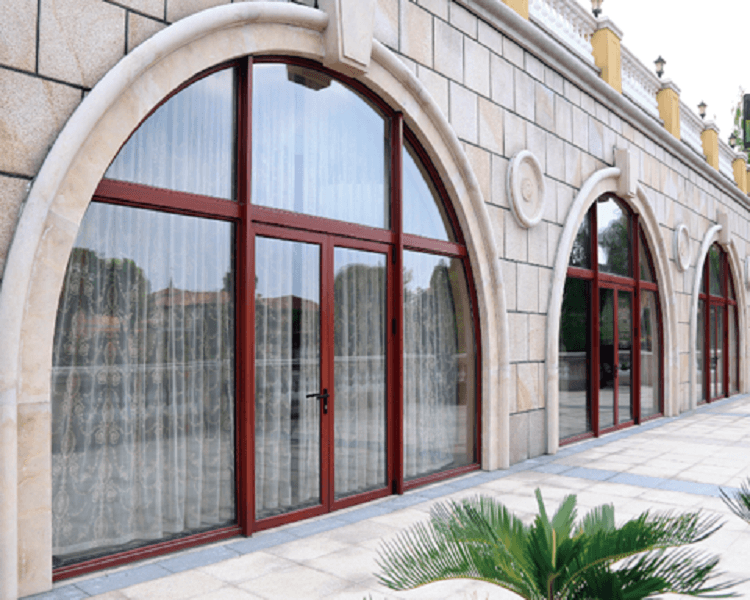
Aluminum frames should be evaluated by profile strength, finish quality, drainage design, thermal break options, and compatibility with the wall system. For coastal homes, powder coating, anodized finishes, or other suitable surface treatments should be discussed with the supplier. The goal is a frame system that matches wind load, opening size, and corrosion exposure.

Glass configuration and energy performance
Glass selection affects comfort, safety, and energy use. Buyers may compare double glazing, laminated glass, Low-E coating, argon-filled units, and warm-edge spacer options depending on the project. For homes facing strong sun, Low-E glass can reduce heat gain. For storm-prone zones, laminated or impact-rated glass may be required by local code or insurance rules.
Hardware and opening direction
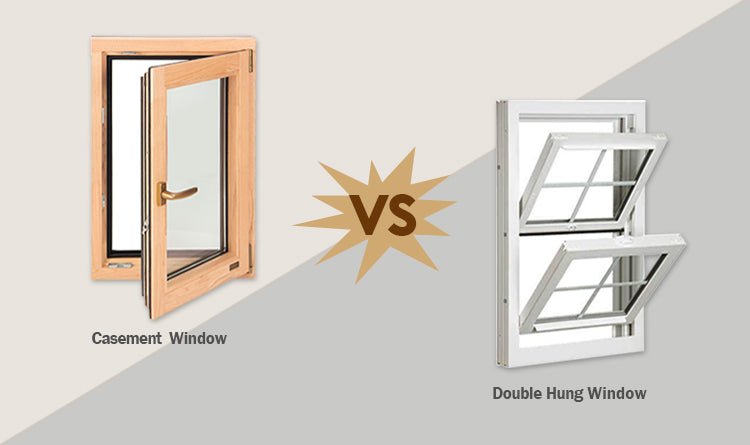
Hardware must match both weather exposure and daily use. Hinges, locks, handles, friction stays, rollers, and operators need stable movement after repeated use. Opening direction also matters. In coastal homes, awning and casement styles can support ventilation, while fixed windows may be better for large views where opening is not required.
Which Window Types Fit Coastal Rooms?
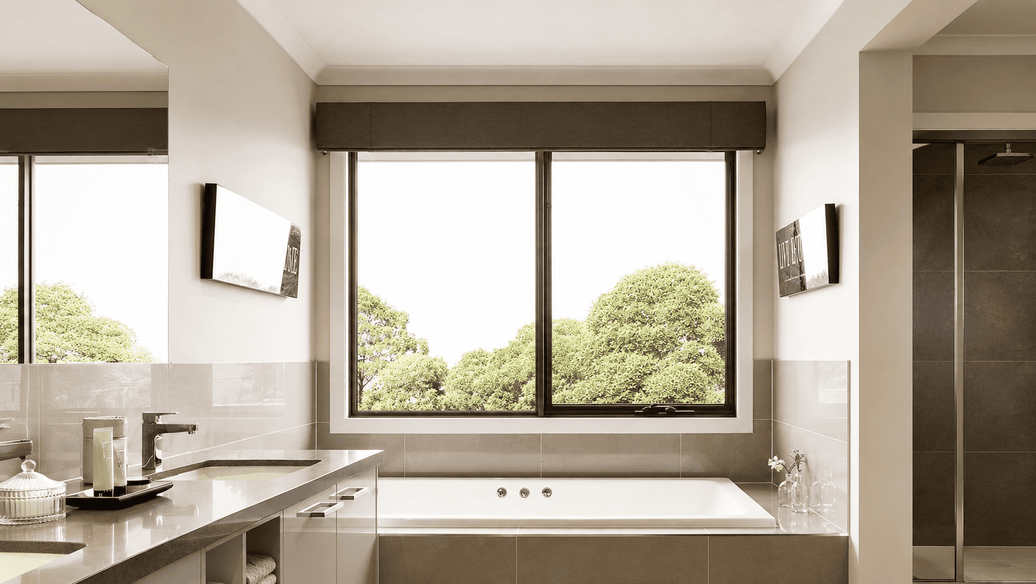
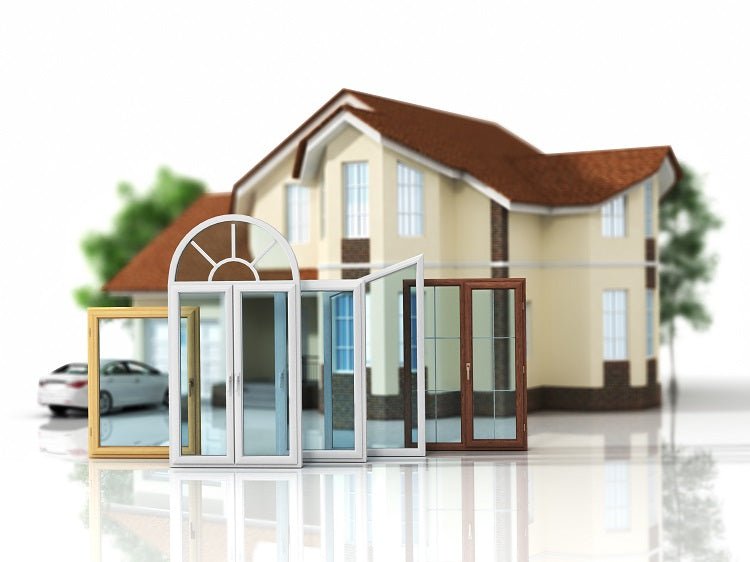
Different rooms need different window functions. A bedroom may need ventilation and acoustic comfort. A living room may need larger glass, stronger frames, and better solar control. A bathroom may need privacy, ventilation, and corrosion-resistant hardware.
Awning windows for rainy ventilation
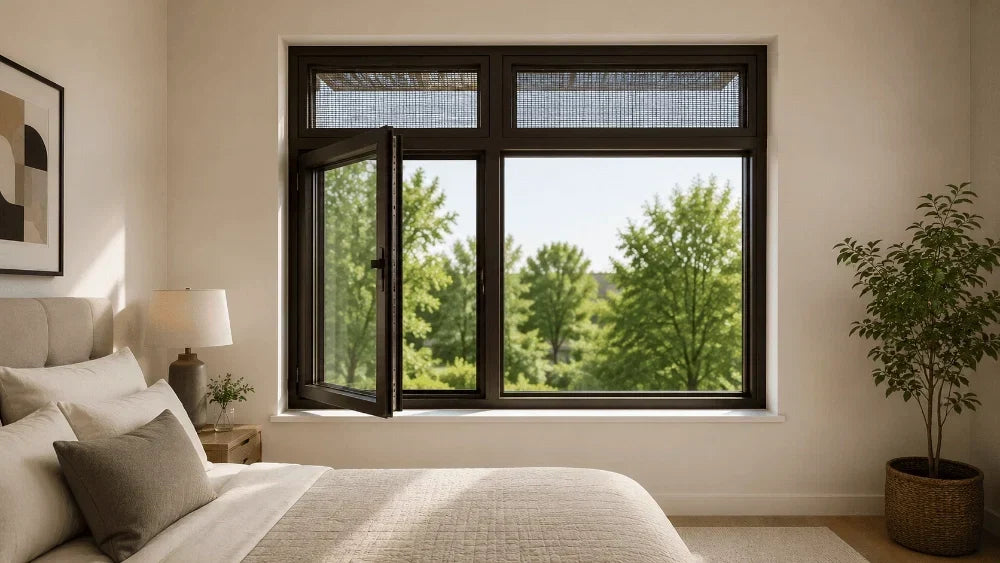
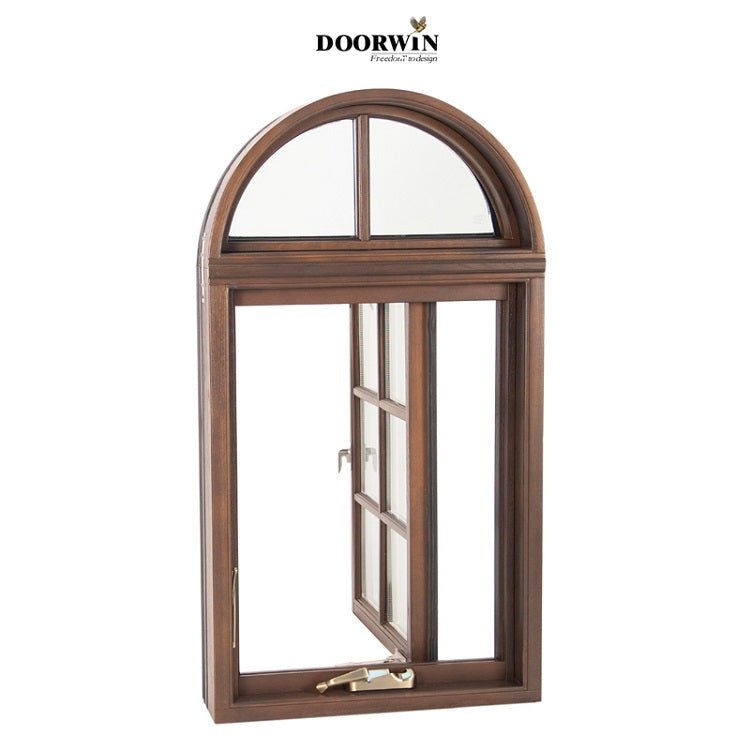
Awning windows can allow airflow while reducing direct rain entry during light rain, because the sash opens outward from the top. For rooms that need controlled ventilation, the Aluminium Double Glass Hinges Window is a useful product type to review when comparing top-hinged ventilation, glass configuration, and coastal-room suitability.
Fixed windows for wide coastal views
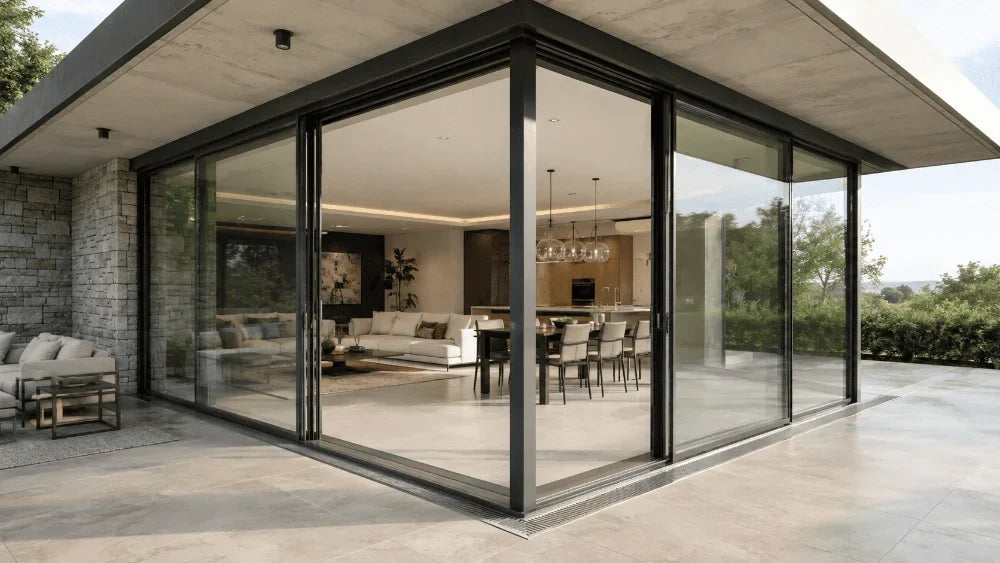
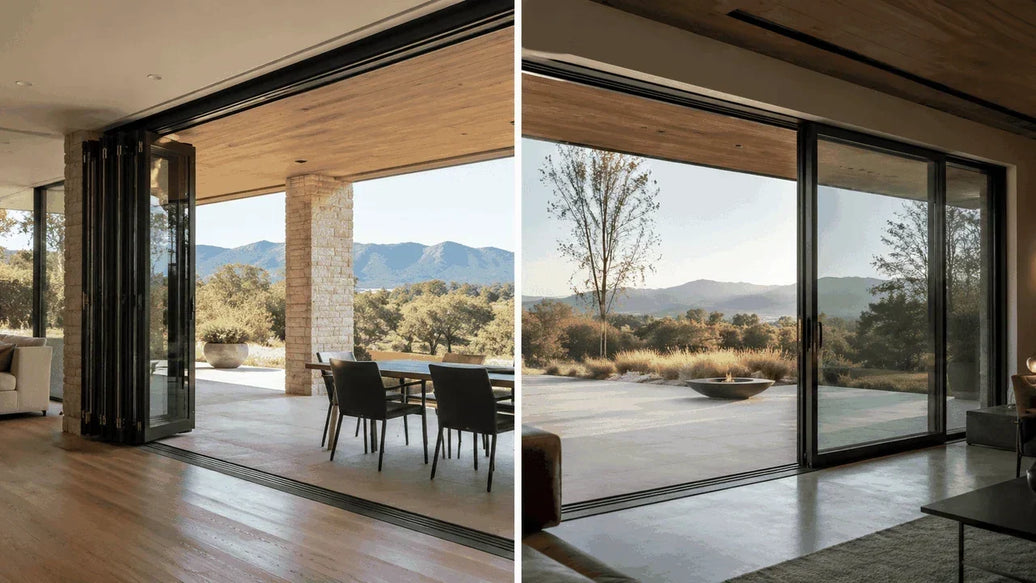
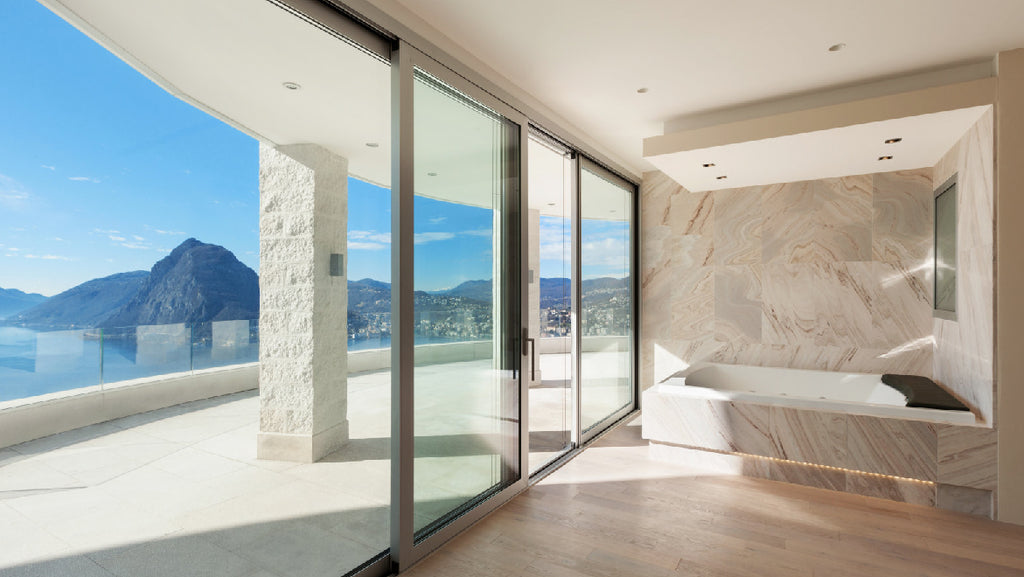
Fixed windows are often used for living rooms, stairwells, and sea-facing walls where view and daylight are the priority. The key checks include frame strength, glass thickness, wind load suitability, edge sealing, and heat control. Since fixed units cannot release pressure through opening movement, the surrounding wall connection and sealant work need careful detailing.
Casement and tilt-turn styles for access and airflow
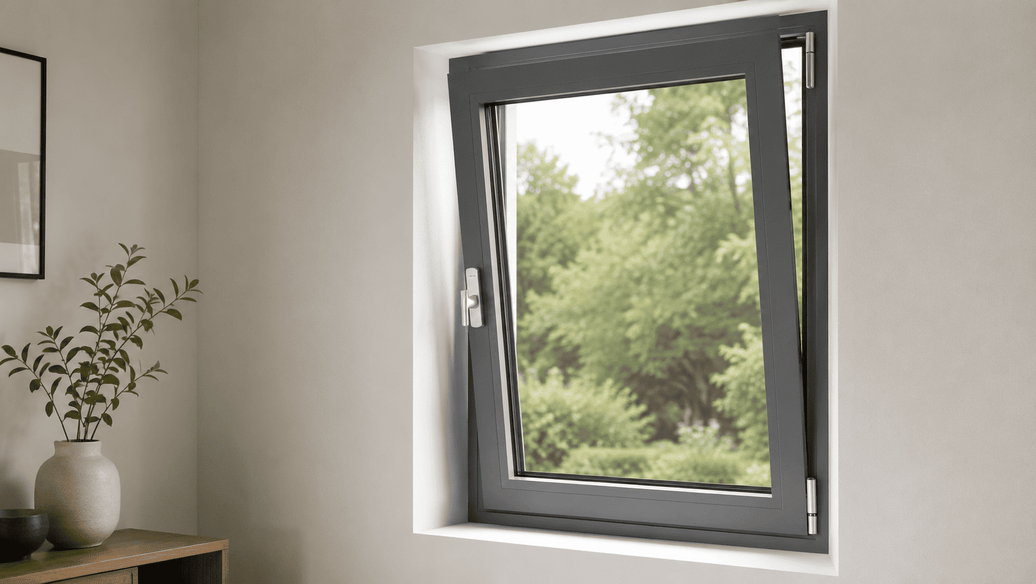
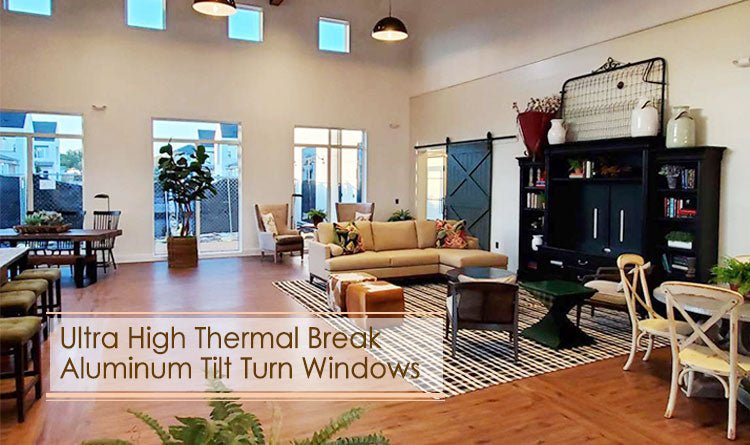
Casement and tilt-turn windows can provide wider ventilation openings and easier cleaning access, depending on room layout. Buyers should confirm hardware quality, sash weight limits, locking points, and gasket compression. For a broader comparison of product options, the all windows page can be used as a reference point during early style selection.
How Should Buyers Compare Suppliers for Coastal Projects?
Supplier comparison should not stop at product photos. Coastal homes need clearer technical review because one weak point can affect comfort, service life, and maintenance cost.
Review product range and project fit
A supplier should be able to match window style, glass package, frame color, opening method, and installation needs to the project. When buyers compare aluminum window suppliers, Luvindow can be used as a practical reference for reviewing product range, design flexibility, and project support before moving into detailed specifications.
Ask for technical details, not only catalog images
Buyers should request frame section details, glass build-up, hardware brand or grade, surface finish description, drainage design, and installation guidance. For coastal homes, it is also useful to ask whether any elevation needs upgraded glass, extra locking points, or different opening styles due to exposure.
How Can Aluminum Windows Support Storm Protection?
Storm protection depends on local building code, structural design, glass type, anchoring, and installation quality. No single product label should replace engineering review. Still, buyers can reduce risk by asking the right questions before ordering.
Match glass to local exposure
For coastal homes in storm-prone areas, laminated glass or impact-rated systems may be required. Buyers should confirm the exact code requirement for the site before ordering. If a supplier offers several glass options, the selection should be tied to wind zone, building height, opening size, and room function.
Check frame-to-wall connection
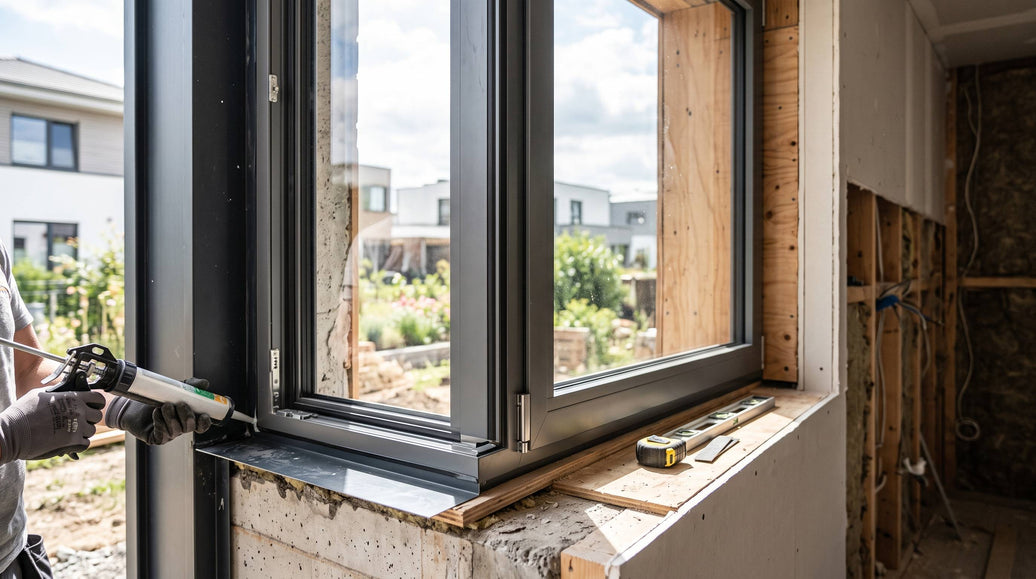
Even strong windows can fail if the frame is poorly anchored. Coastal projects need proper rough opening preparation, sill pan planning, flashing, sealant compatibility, and fastener selection. The window supplier, installer, and project team should agree on these details before delivery.
Do not ignore maintenance access
Storm preparation is easier when windows can be inspected, cleaned, and maintained without excessive difficulty. Buyers should think about future gasket checks, hardware adjustment, drainage cleaning, and glass replacement access.
How Do Salt Air and Maintenance Affect Long-Term Cost?
A coastal window purchase should include long-term maintenance planning. The lowest initial price may not be economical if hardware corrodes, seals fail, or surfaces degrade early.
Hardware and finish should match exposure
Sea-facing elevations may need more durable hardware or additional finish protection. Buyers should ask whether the same specification is suitable for every side of the building. A protected courtyard window and an ocean-facing window may not need the same configuration.
Warranty terms should be reviewed before purchase
Before confirming a supplier, buyers should review warranty coverage, including what is covered, how claims are handled, and whether replacement parts or technical support are available after installation. Warranty review is not a substitute for proper specification, but it helps buyers understand service boundaries before signing off.
What Should Be Confirmed Before Ordering?
A clear order file helps prevent mistakes. For coastal homes, the file should include drawings, opening sizes, glass specification, frame color, hardware finish, screen options, opening direction, room tags, installation notes, and delivery requirements.
Use a project schedule
A project schedule should identify each opening by room, elevation, size, operation type, and glass package. This prevents confusion when several windows look similar but require different functions.
Check samples and color approval
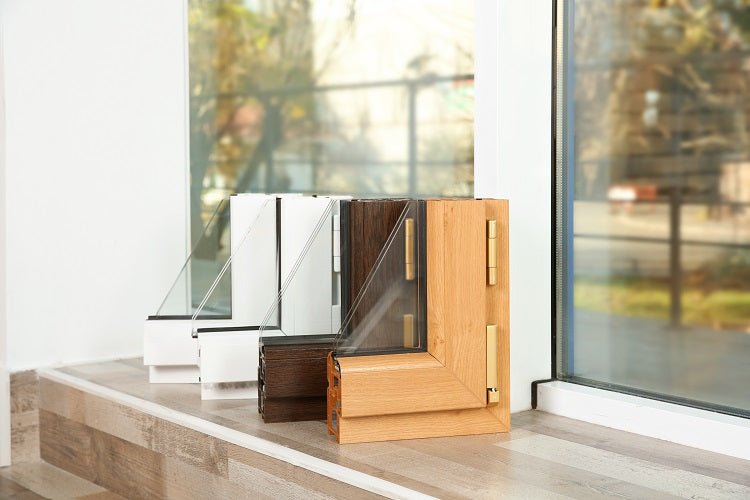
Color samples and corner samples can help buyers judge finish, frame depth, gasket appearance, and hardware feel. Coastal homes often use larger glass areas, so small differences in color or finish can become highly visible after installation.
Plan shipping and site handling
Aluminum windows need protective packaging, clear labels, and handling instructions. Oversized units may require special unloading equipment or storage space. Buyers should plan these details before the container or truck arrives on site.
Final Thoughts
Aluminum windows for coastal homes should balance storm protection, salt-air resistance, cooling comfort, and long-term service needs. Buyers should review frame design, glass package, hardware, drainage, installation details, and warranty terms before confirming an order. For project teams that need help comparing specifications, custom options, packaging details, or export requirements, contact the Luvindow team with drawings, target market, and order plan.
Related reading: For more detail on U-factor, ventilation, and window performance, read this guide to energy efficient casement windows.
FAQ
Q: Are aluminum windows suitable for coastal homes?A: Yes, aluminum windows can suit coastal homes when the frame finish, hardware, glass, drainage, and installation details match the site exposure. Buyers should not choose by frame material alone.
Q: What glass works better for storm-prone coastal areas?A: The right glass depends on local code, wind zone, opening size, and building height. Laminated or impact-rated glass may be needed in some coastal regions, so buyers should confirm project requirements before ordering.
Q: How can coastal homeowners reduce salt-air damage?A: Regular cleaning, suitable hardware, durable surface finishes, and clear maintenance instructions can reduce long-term risk. Sea-facing windows may need more careful specification than sheltered elevations.